Predictive History
Predictive History episodes converted into bullet points.
Episodes
-
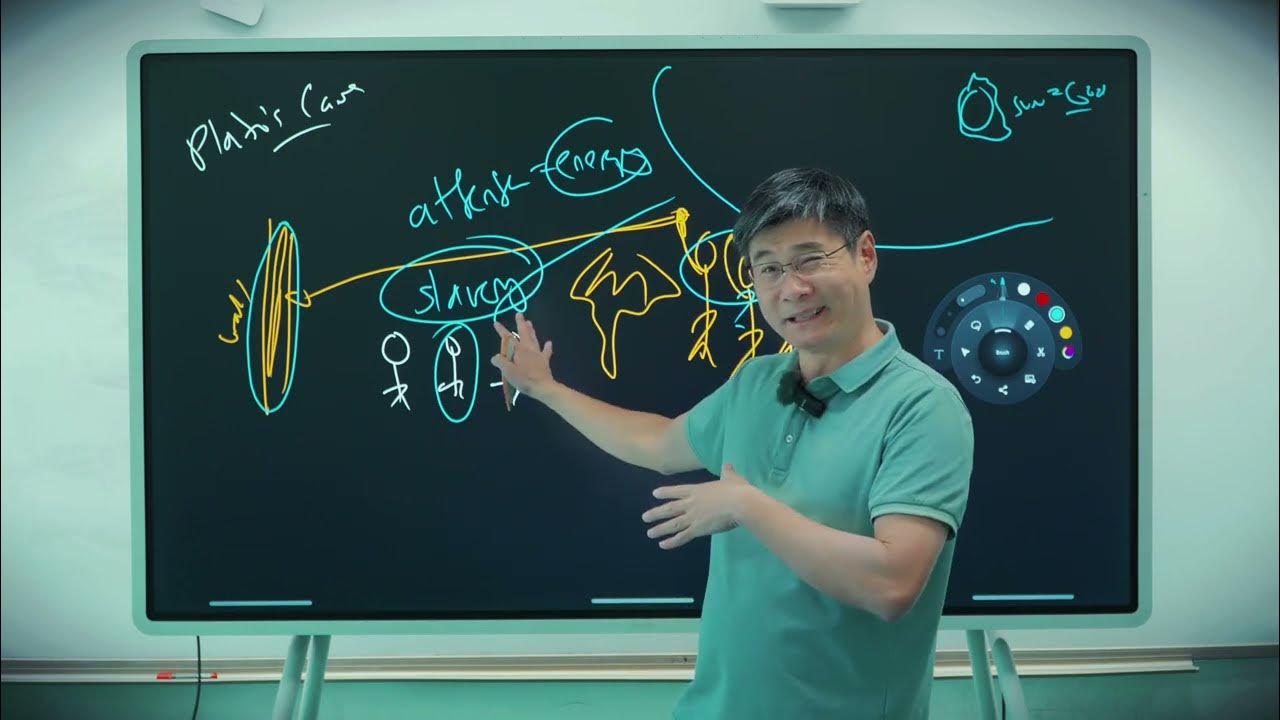
Dante #1: Paradise Cantos 1-5
In this Monday, June 15, 2026 livestream, Professor Jiang explains the Divine Comedy Paradise Cantos 1-5.
-
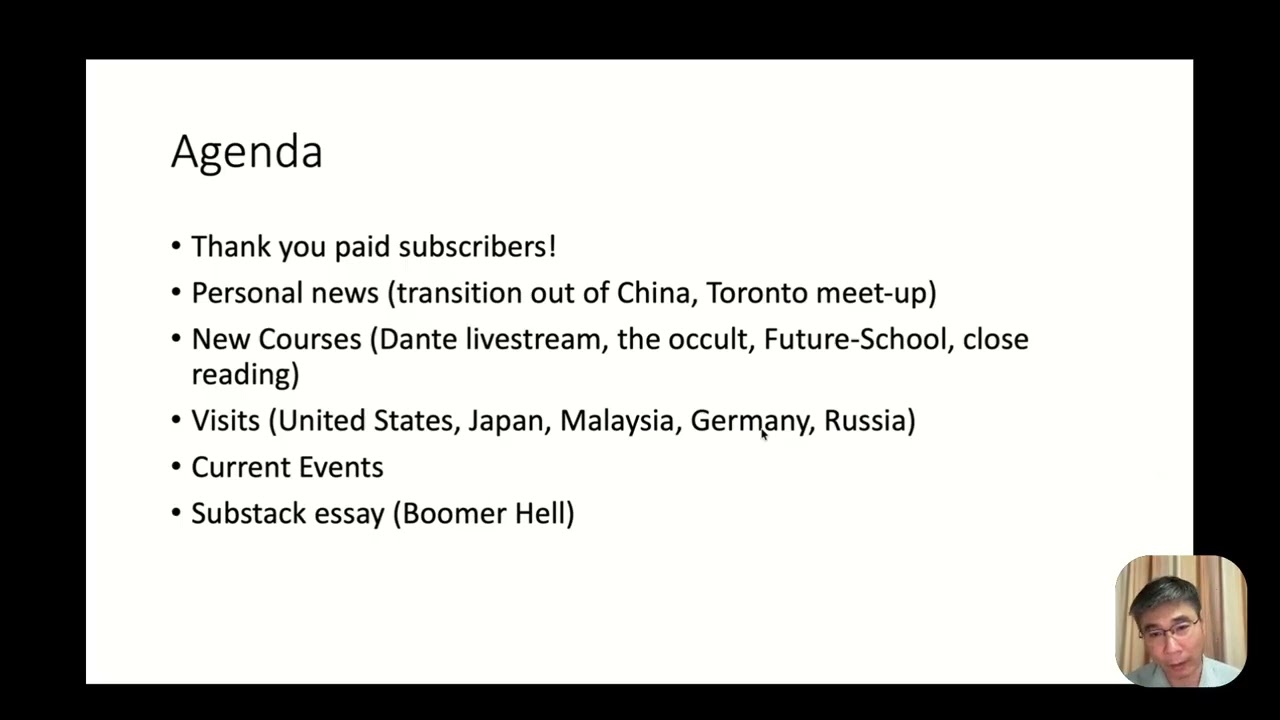
Live with Predictive History
A recording from Predictive History's live video https://predictivehistory.substack.com/p/live-with-predictive-history?utm_source=youtube
-

Predictive History Founding Members #1
A recording from Predictive History's live video
-
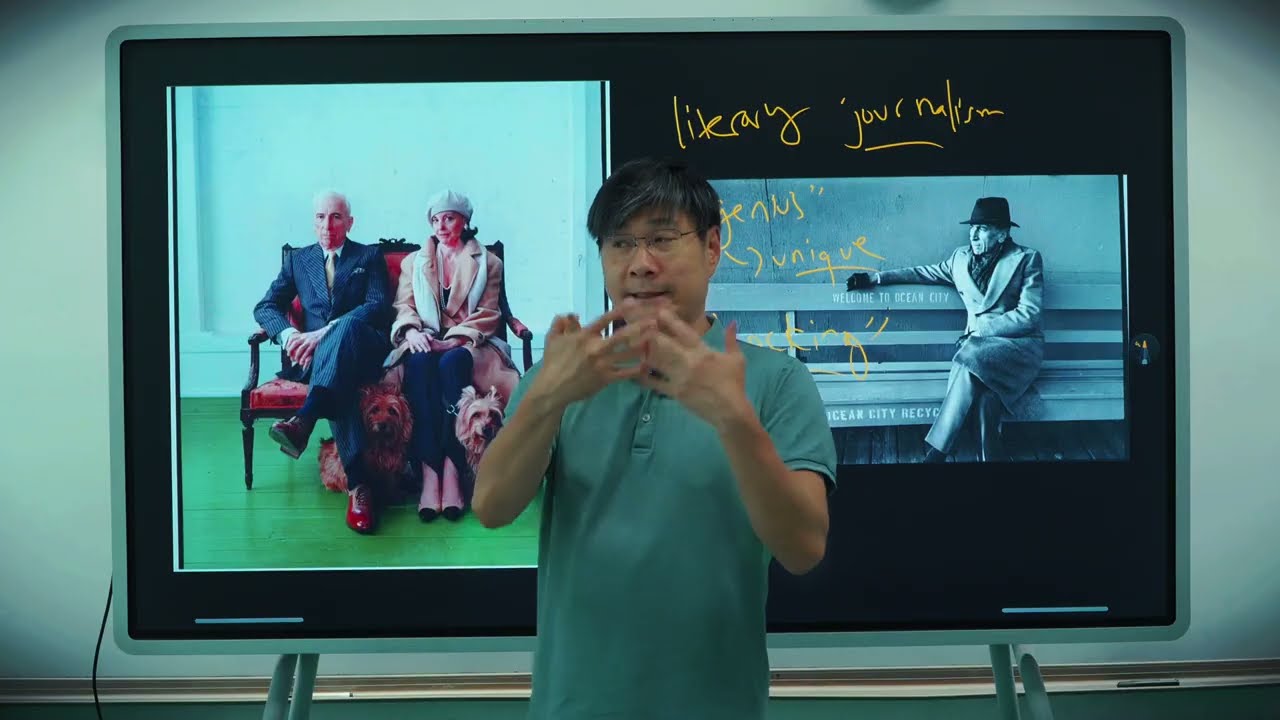
Great Books #13: Gay Talese's Sparks of Light
In this Friday, May 29, 2026 lecture to his Beijing high school students, Professor Jiang explains the genius of Gay Talese.
-
Game Theory #29: Final Examination
In this Thursday, May 28, 2026 lecture Professor Jiang answers your questions.
-
Great Books #12: Dante in Paradise
In this Wednesday, May 27, 2026 lecture to his Beijing high school students, Professor Jiang explains how Dante re-animated the human imagination.
-
Game Theory #28: Predictive History
In this talk to his Beijing high school students, Professor Jiang reviews all the important ideas from this semester.
-
Great Books #11: Dante's Revolution
In this Friday, May 22, 2026 lecture to his Beijing high school students, Professor Jiang explains Dante's war with Virgil.
-
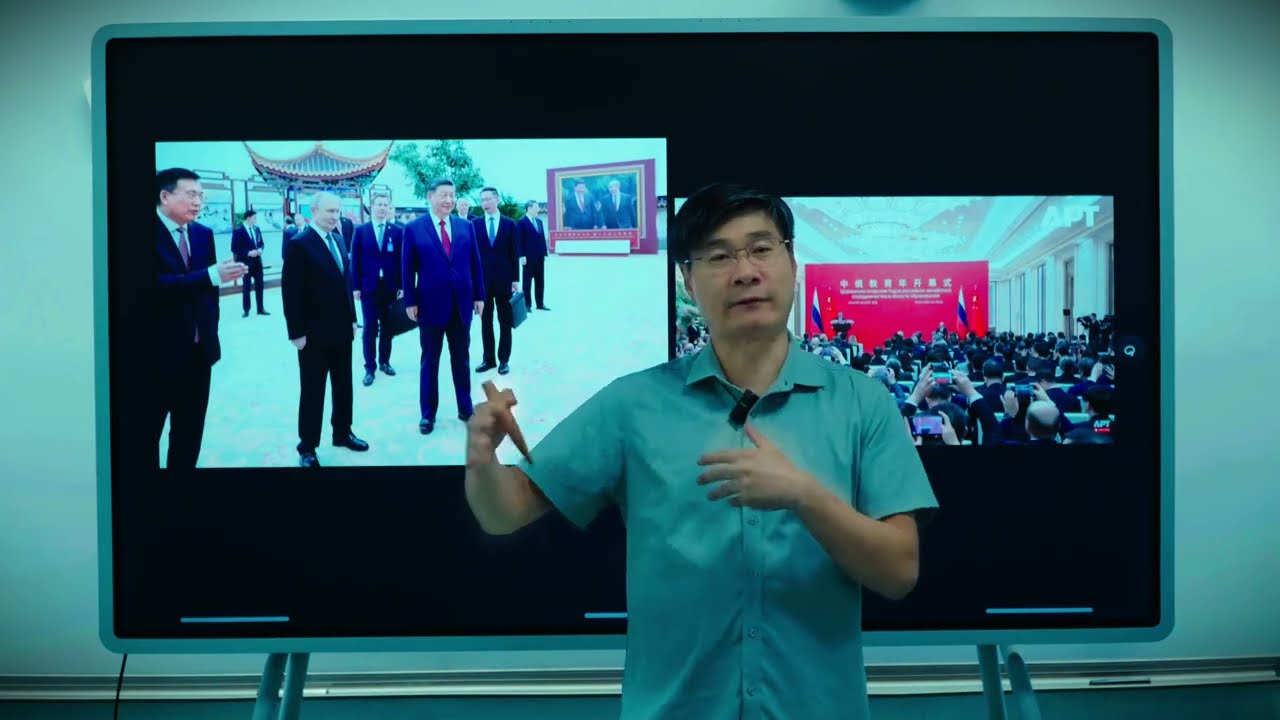
Game Theory #27: Putin Enters the Chat
In this Thursday, May 21, 2026 lecture to his Beijing high school students Professor Jiang explains how Putin plans to defeat the American empire.
-
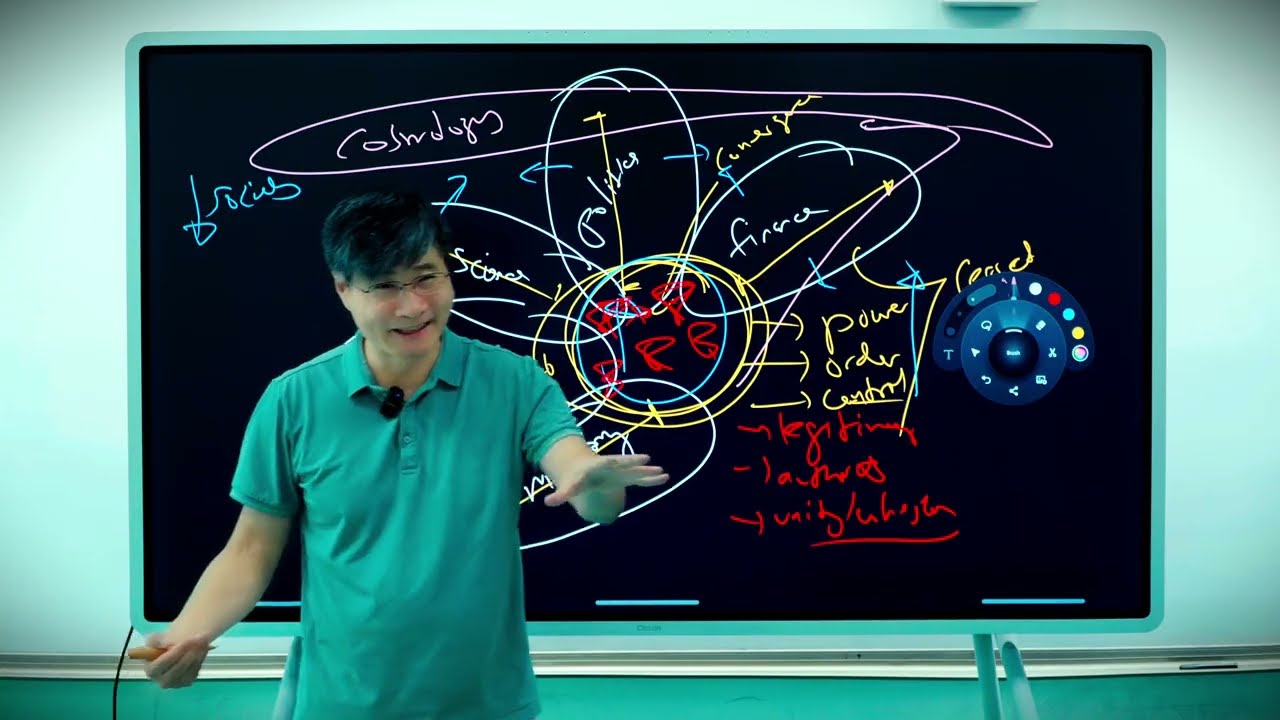
Game Theory #26: The Holy Empire of AI
In this Tuesday, May 19, 2026 lecture to his Beijing high school students, Professor Jiang explains the connections between the Freemasons and the AI surveillance state.
-
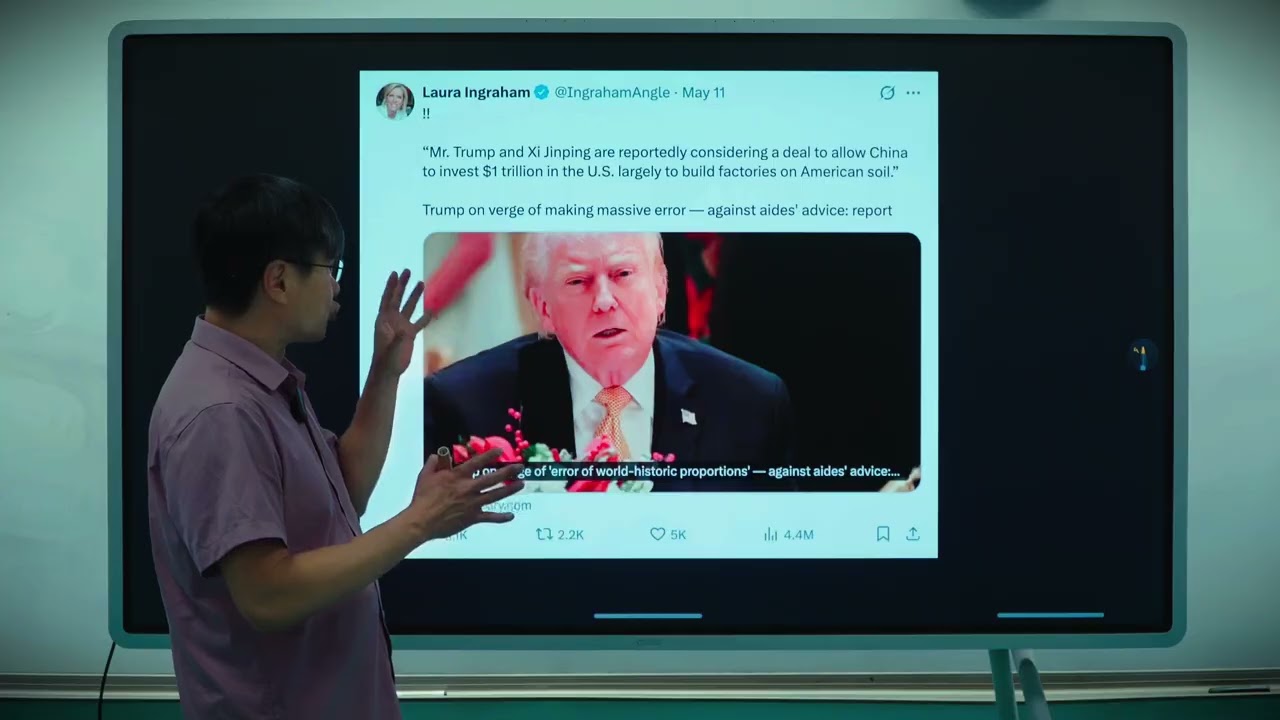
Game Theory #25: Trump Visits China
In this Thursday, May 14, 2026 lecture to his Beijing high school students, Professor Jiang explains why the United States and China will negotiate a grand bargain.
-
Game Theory #24: The AI Apocalypse
In this Tuesday, May 12, 2026 lecture to his Beijing high school students, Professor Jiang explains why AI will end humanity.
-
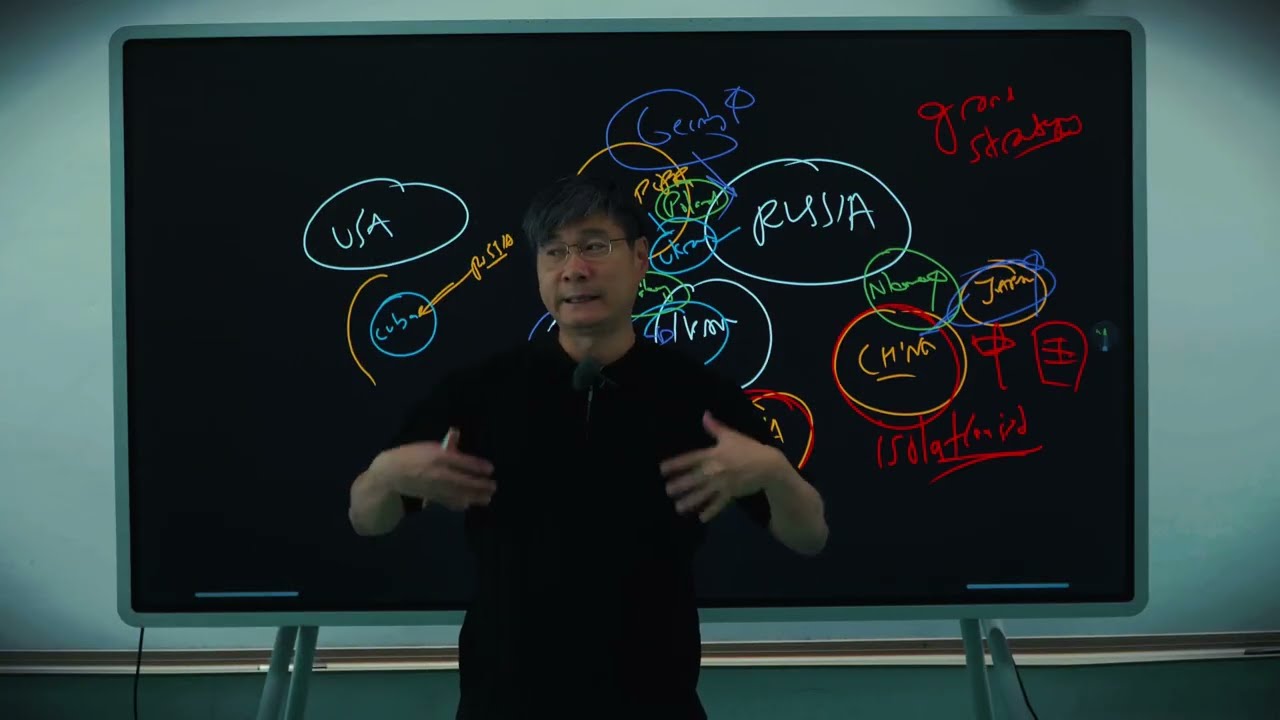
Game Theory #23: The WWIII Chessboard
In this Thursday, May 7, 2026 lecture to his Beijing high school students, Professor Jiang explains the worldview and strategy of the four major participants of World War III.
-
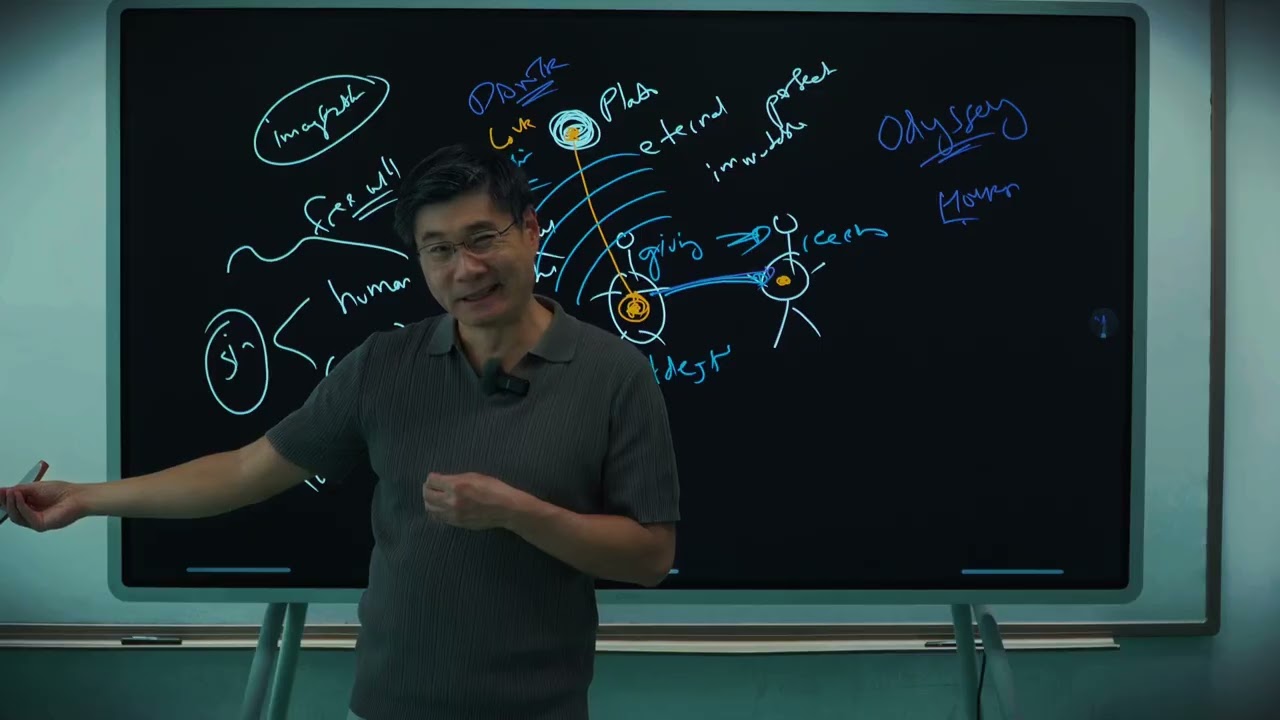
Great Books #10: Dante's Hierarchy of Hell
In this Wednesday, April 29, 2026 lecture to his Beijing high school students, Professor Jiang explains how Dante constructed the Inferno.
-
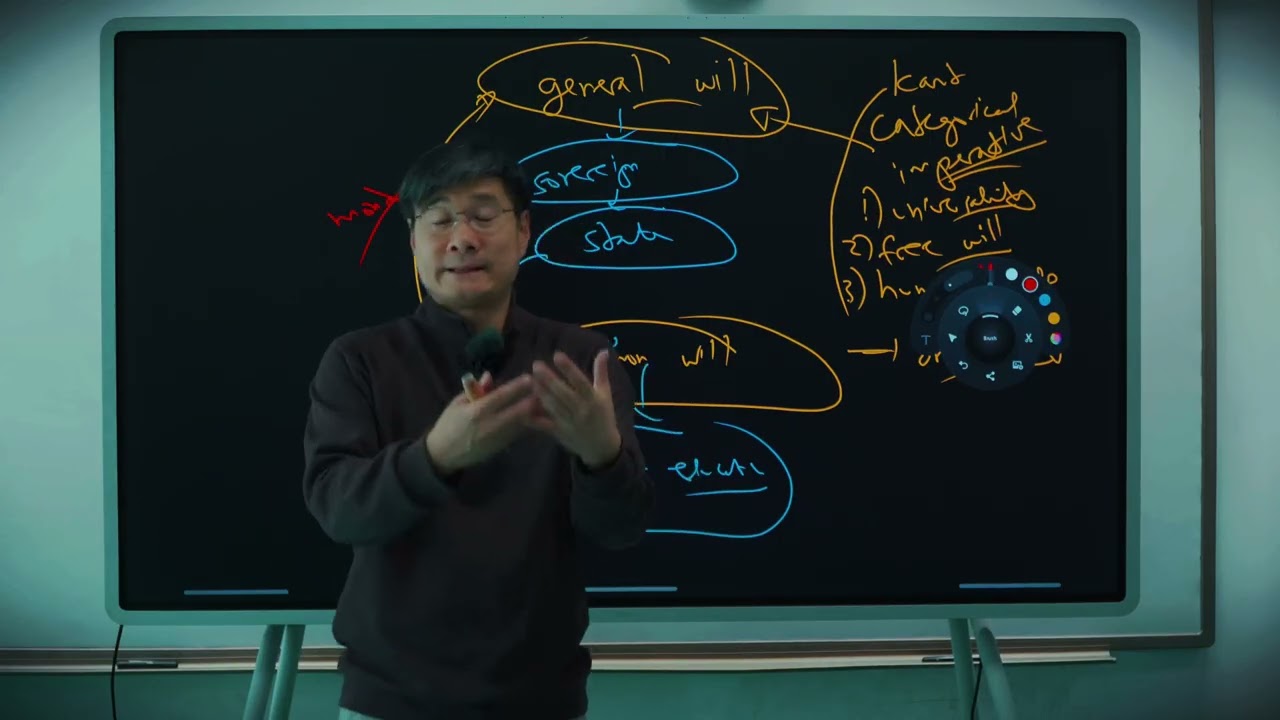
Game Theory #22: Twilight of the Nation-State
In this Tuesday, April 28, 2026 lecture to his Beijing high school students, Professor Jiang explains that 21st century warfare is about turning the civilian population against the state.
-

Game Theory #21: World War Trump
In this Tuesday, April 21, 2026 lecture to his Beijing high school students, Professor Jiang explains America's national security strategy, and why this war in Iran cannot end.
-
Game Theory #20: Mid-Term Examination
Professor Jiang answers your questions!
-
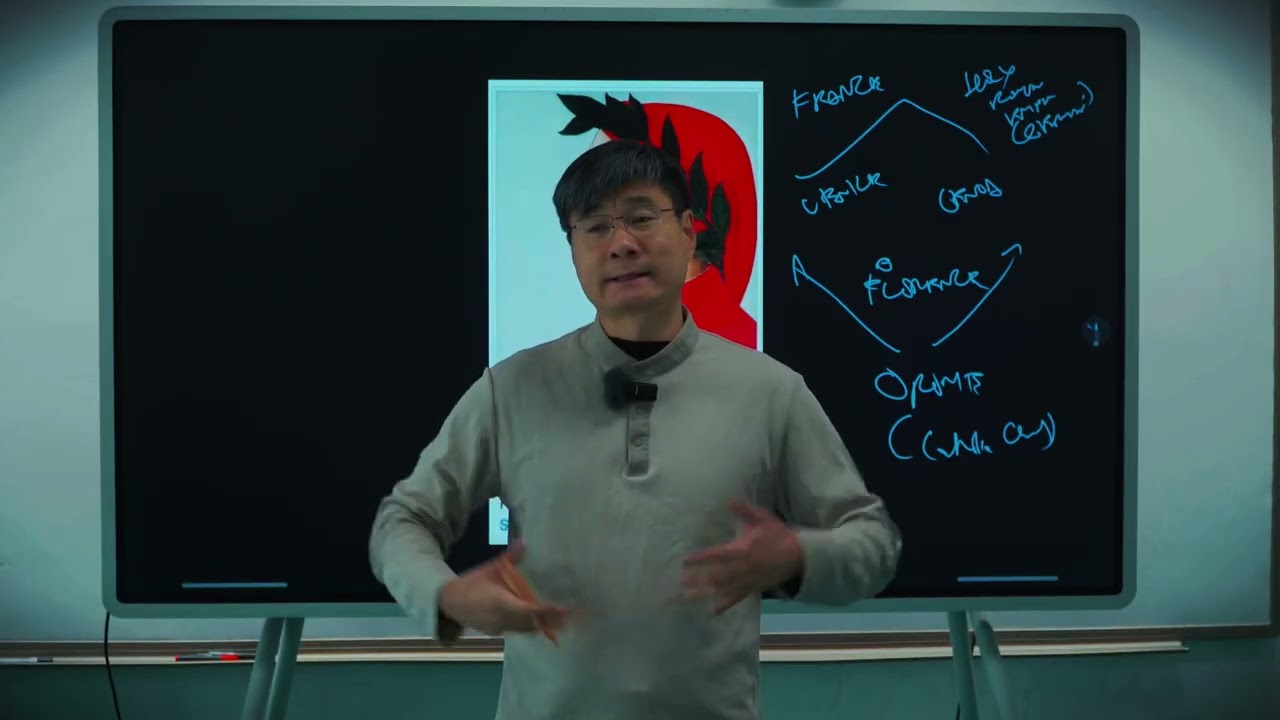
Great Books #9: Dante (Re-Upload with Audio Fixed)
In this Wednesday, April 8, 2026 lecture to his Beijing high school students, Professor Jiang introduces Dante's Divine Comedy.
-
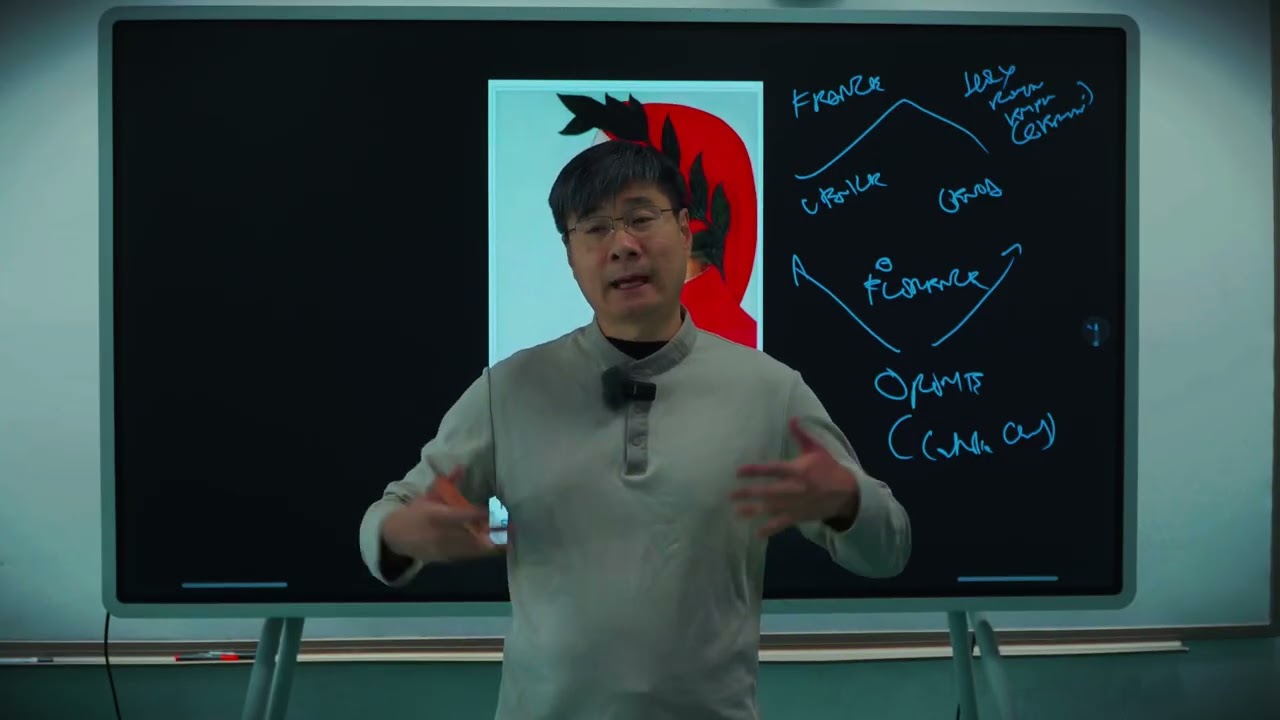
Great Books #9: Dante's La Commedia
In this Wednesday, April 8, 2026 lecture to his Beijing high school students, Professor Jiang introduces the Divine Comedy, humanity's greatest literary work.
-
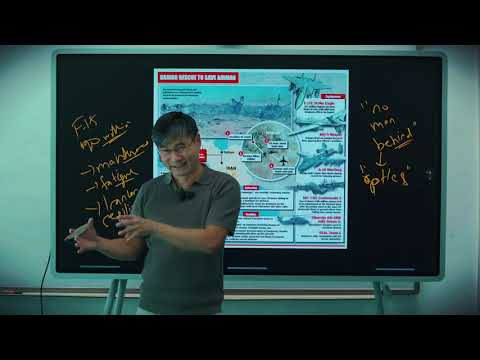
Game Theory #19: The Hollywood-Pentagon Complex
In this Tuesday, April 7, 2026 lecture to his Beijing high school students, Professor Jiang explains why the Americans invest so much into the myth of "no man left behind."
-
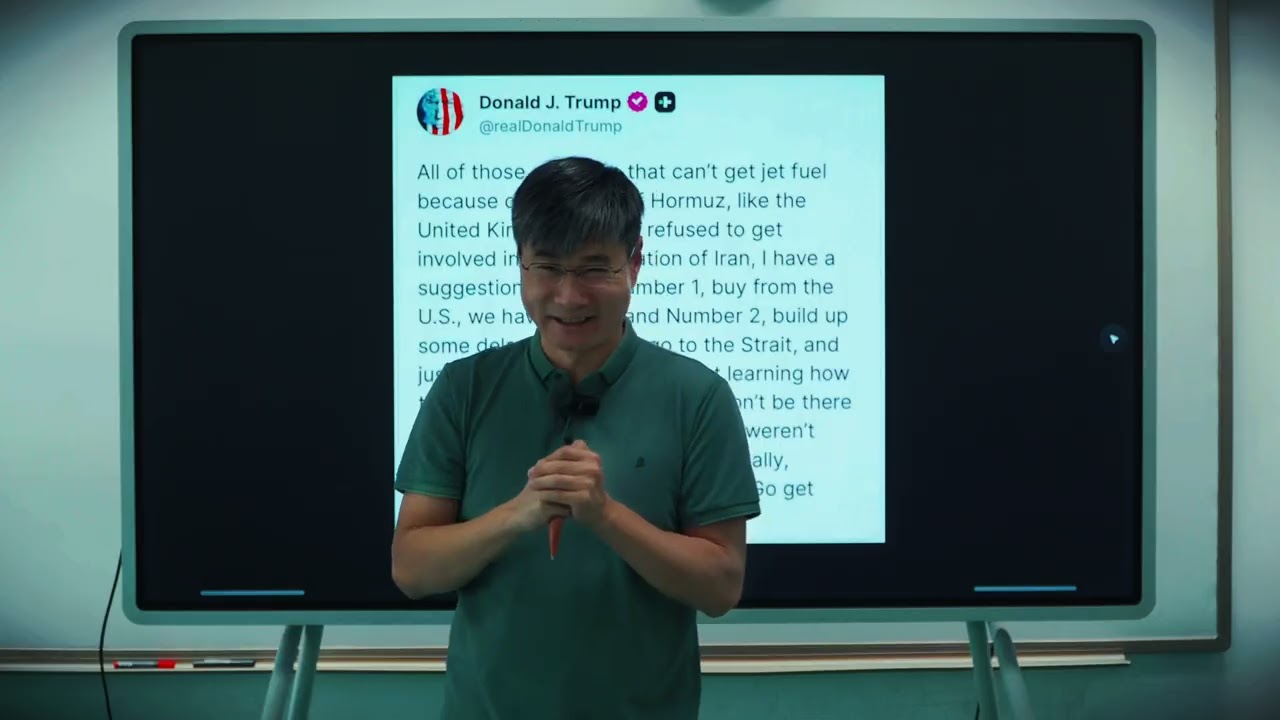
Game Theory #18: Trump World Order
In this Thursday, April 2, 2026 lecture to his Beijing high school students, Professor Jiang explains Donald Trump's grand plan.
-
Game Theory #17: The Great Reset
In this Tuesday, March 31, 2026 lecture to his Beijing high school students, Professor Jiang explains how an elite control the global financial system, and engineer financial collapses.
-

Game Theory #16: Pax Judaica Rising
In this Thursday, March 26, 2026 lecture to his Beijing high school students, Professor Jiang explains that Israel has the most to benefit from the war between the United States and Iran.
-

Game Theory #16: Pax Judaica Rising (Re-Upload)
In this Thursday, March 26, 2026 lecture to his Beijing high school students, Professor Jiang explains that Israel has the most to benefit from the war between the United States and Iran.
-
Great Books #8: The Poetry of Empire
In this Wednesday, March 25, 2026 lecture to his Beijing high school students, Professor Jiang explains how Vergil's "The Aeneid" became the Bible of the Roman Empire.
-
Game Theory #15: The Return of History
In this Tuesday, March 24, 2026 lecture to his Beijing high school students, Professor Jiang argues that the US-Iran war marks the end of Pax Americana and globalization.
-
Game Theory #14: The Law of Proximity
In this Thursday, March 19, 2026 lecture to his Beijing high school students, Professor Jiang explains how internal conflicts determine foreign wars.
-
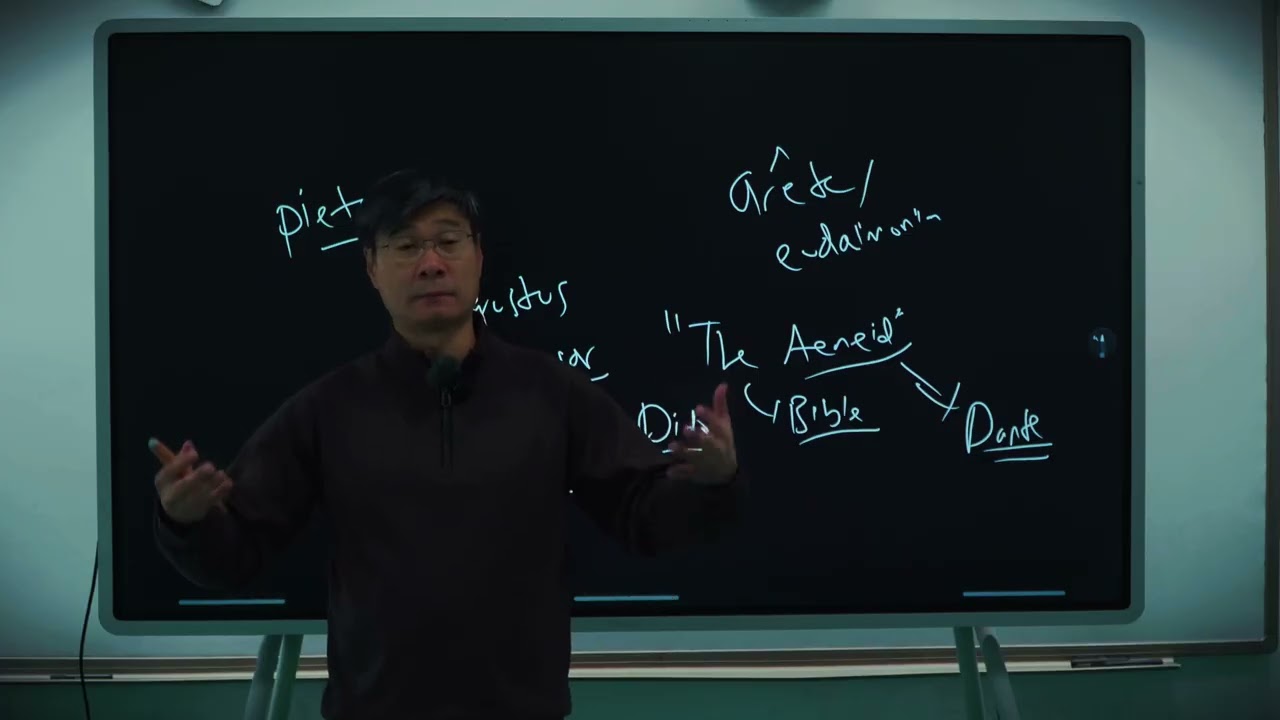
Great Books #7: The Anti-Homer
In this Wednesday, March 18, 2026 lecture to his Beijing high school students, Professor Jiang explains how Vergil inverts Homer.
-
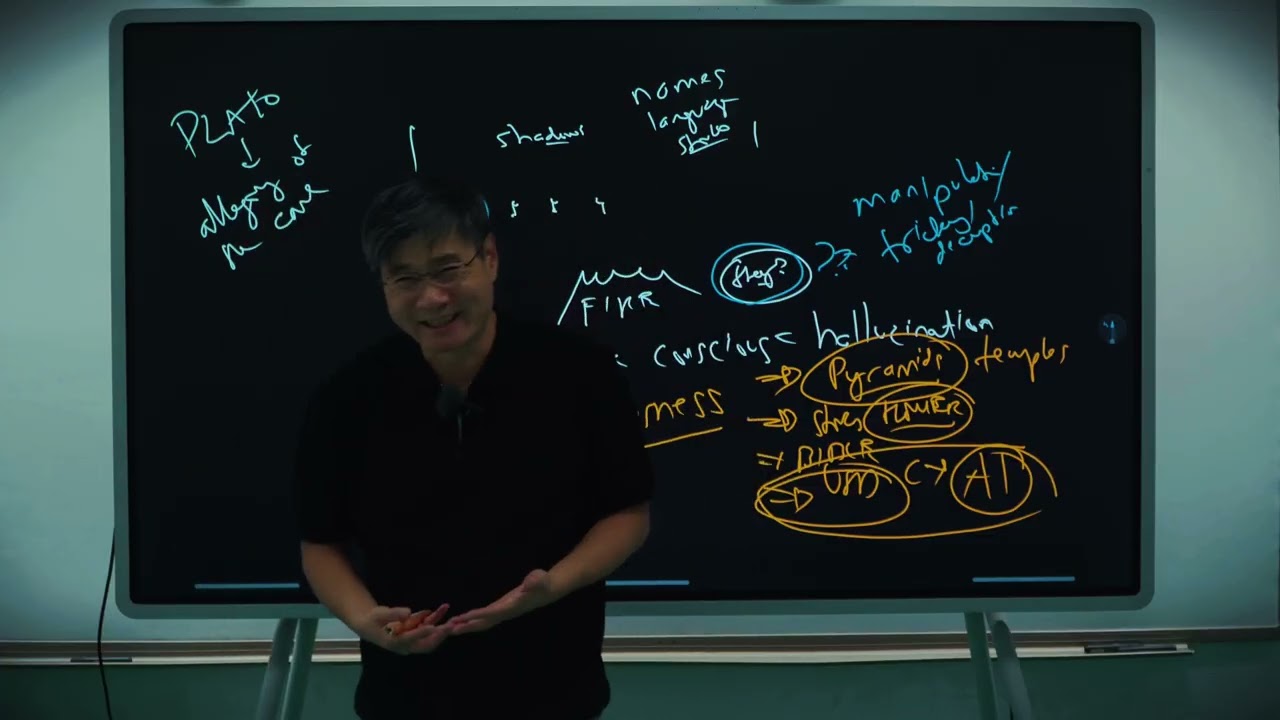
Game Theory #13: Epstein's World
In this Tuesday, March 17, 2026 lecture to his Beijing high school students, Professor Jiang explains how the world really works, and why there can be no peace between the United States and Iran.
-
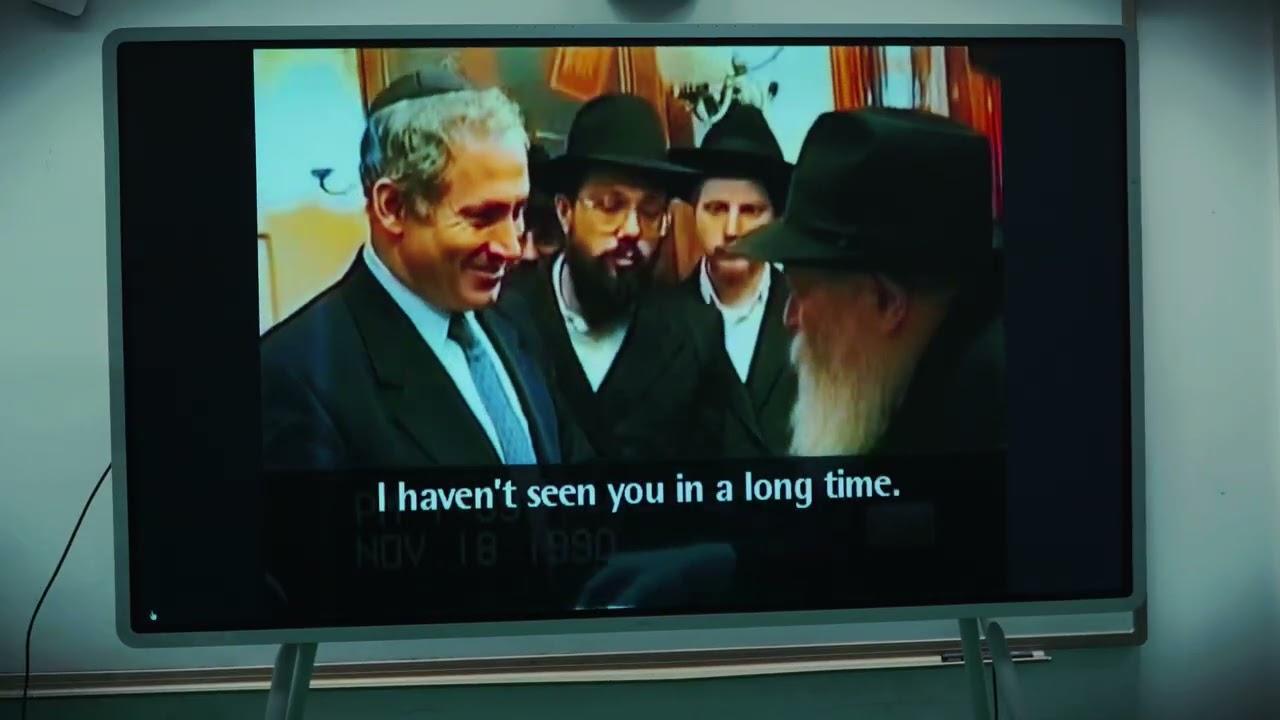
Game Theory #12: The Law of Eschatological Convergence
In this Thursday, March 12, 2026 lecture to his Beijing high school students, Professor Jiang explains how extreme eschatologies drive geo-politics.
-
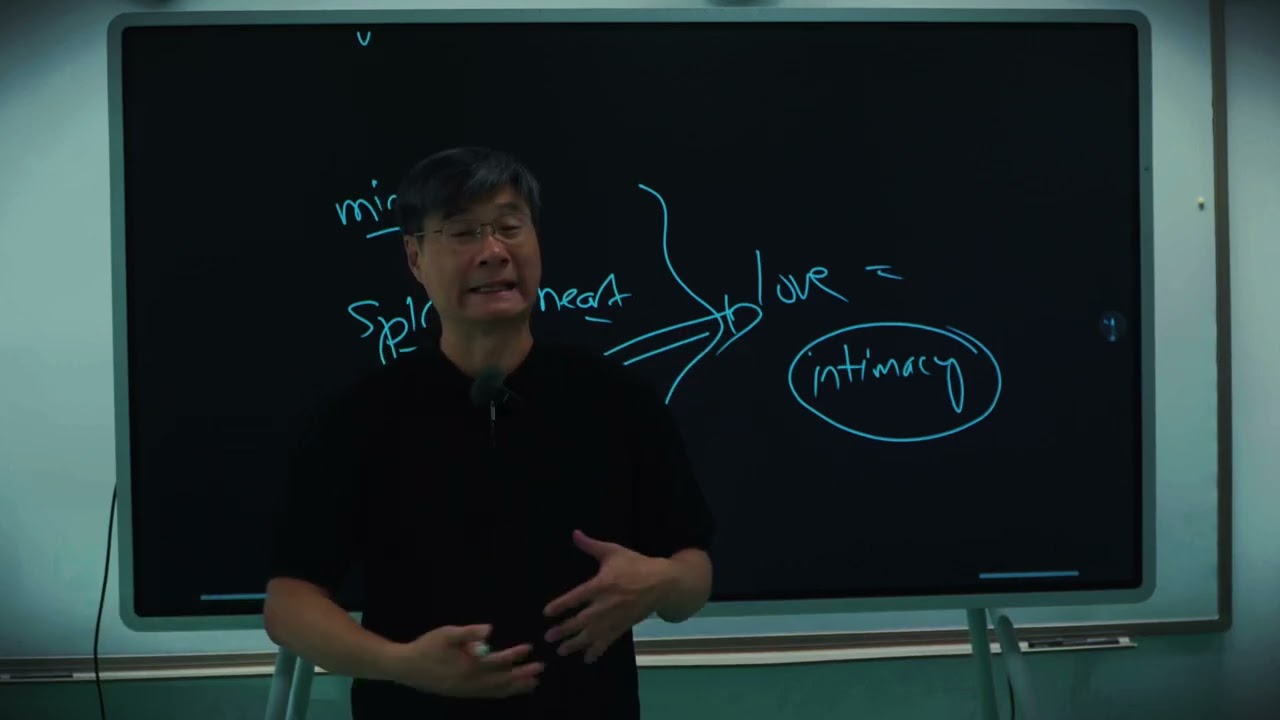
Great Books #6: The Intimacy of Love
In this Wednesday, March 11, 2026 lecture to his Beijing high school students, Professor Jiang explains the power of love.
-
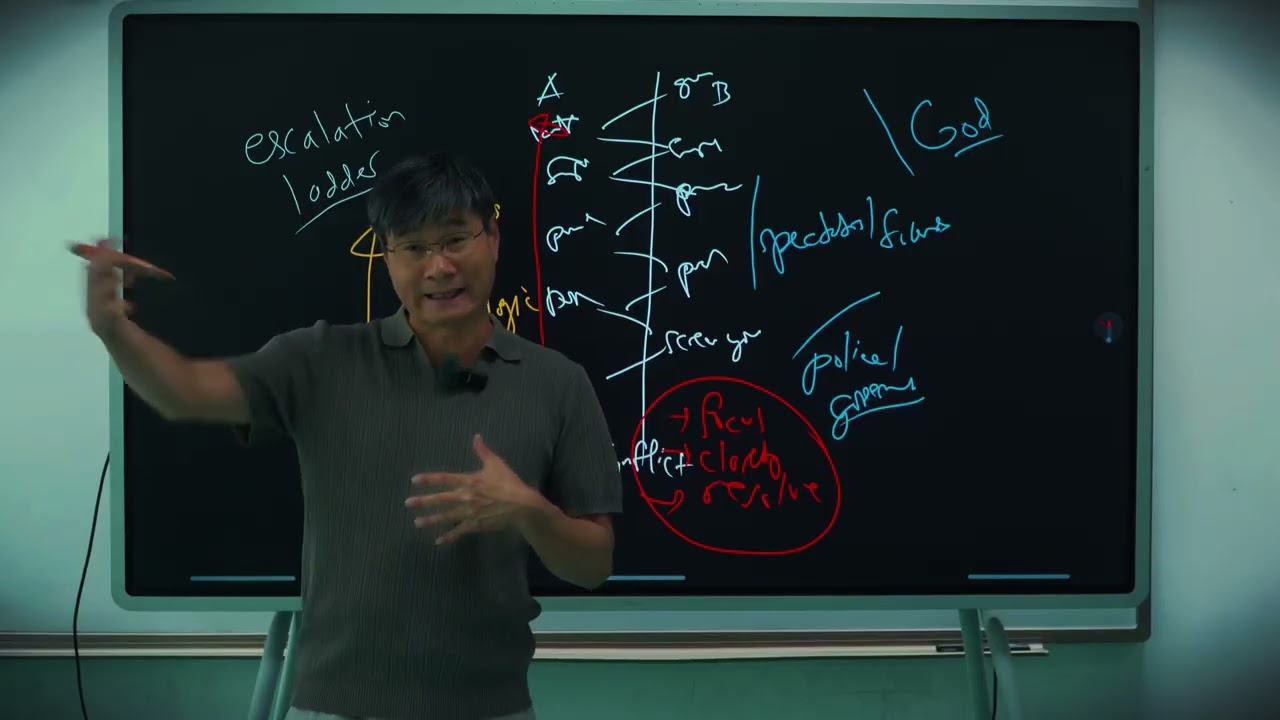
Game Theory #11: The Law of Escalation
In this Tuesday, March 10, 2026 lecture to his Beijing high school students, Professor Jiang explains why escalation control is more important than escalation dominance in the US-Iran War.
-
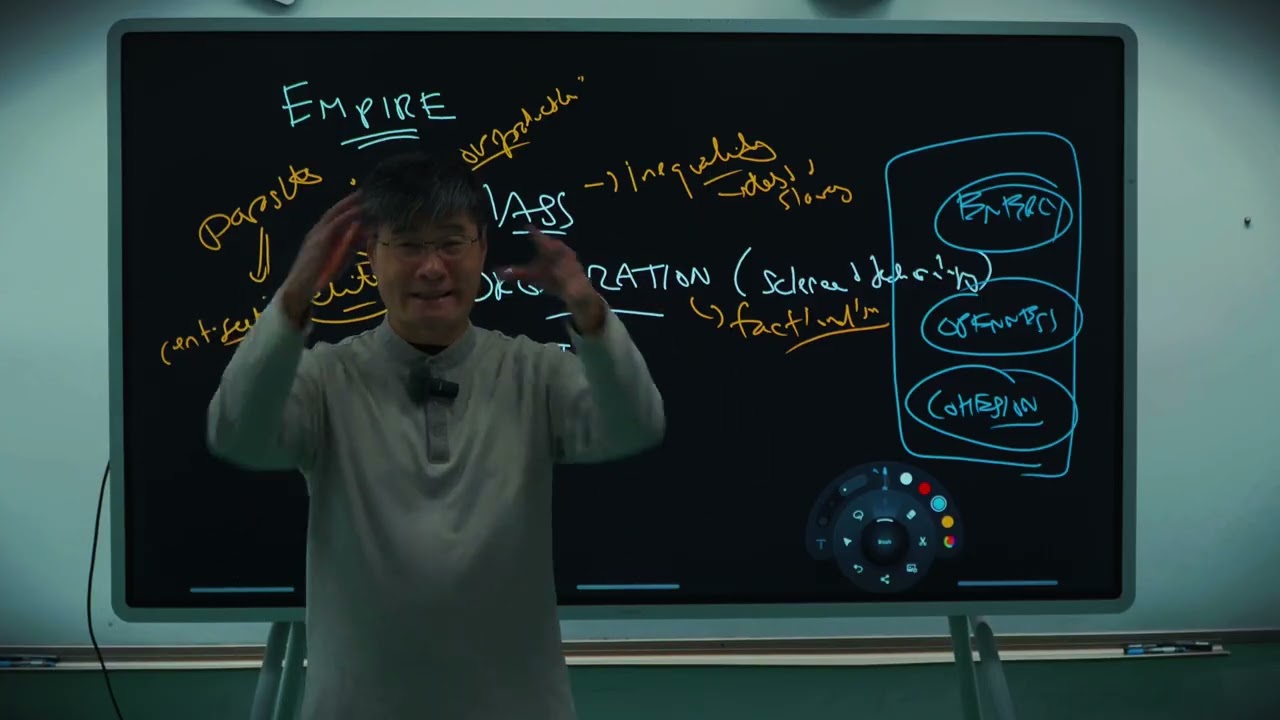
Game Theory #10: The Law of Asymmetry
In this Thursday, March 5, 2026 lecture to his Beijing high school students, Professor Jiang explains that for Iran to triumph asymmetrically the people to become energetic, open, and cohesive.
-
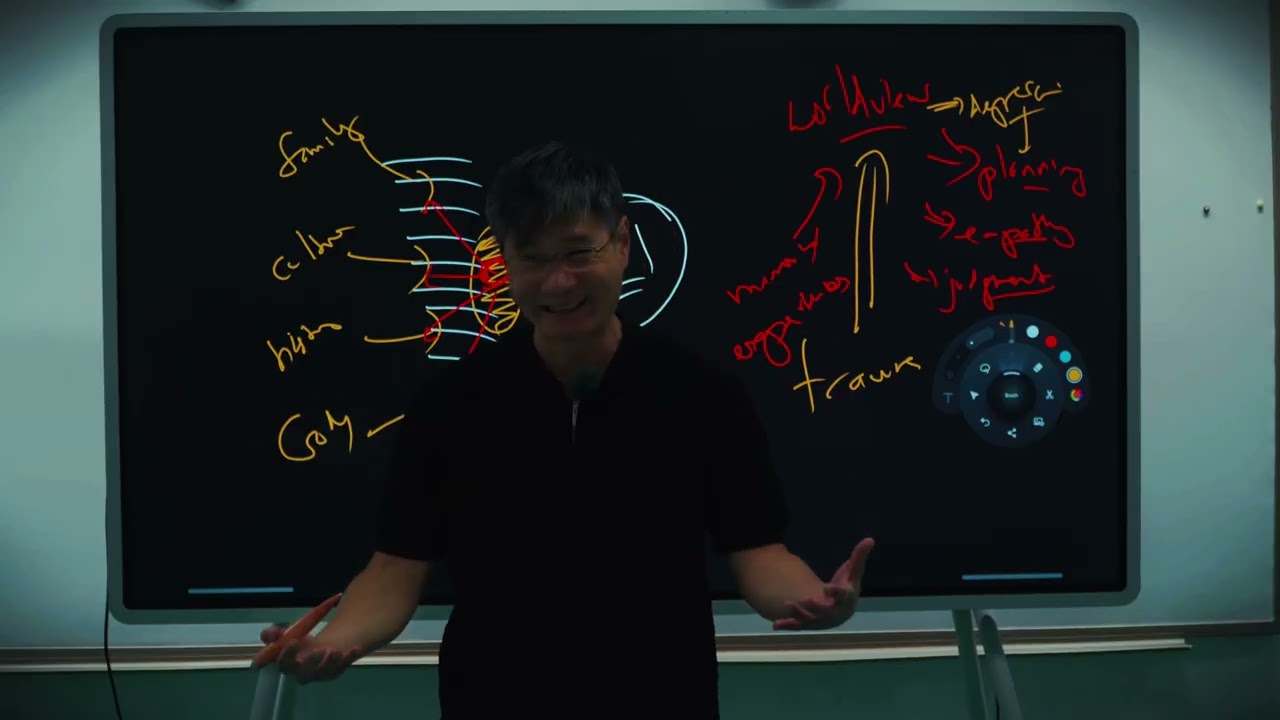
Great Books #5: The Odyssey
In this Wednesday, March 4, 2026 lecture to his Beijing high school students, Professor Jiang explains the central conflict of the Odyssey.
-
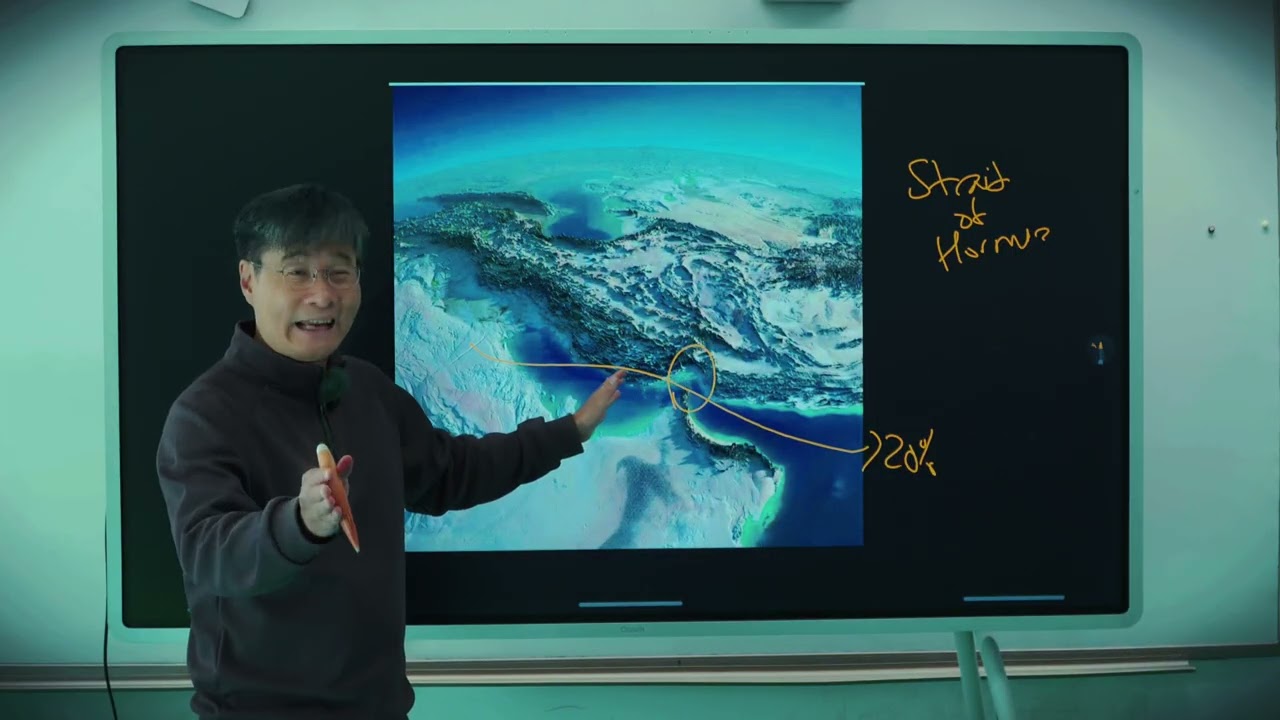
Game Theory #9: The US-Iran War
In this Tuesday, March 3, 2026 lecture, Professor Jiang analyzes the US-Iran War.
-
Game Theory #8: Communist Specter
In this Thursday, January 29, 2026 lecture to his Beijing high school students, Professor Jiang explains the origins of Communism.
-
Great Books #4: The Conscious Universe
In this Wednesday, January 28, 2026 lecture to his Beijing high school students, Professor Jiang explains the nature of consciousness as depicted in Homer's Iliad.
-
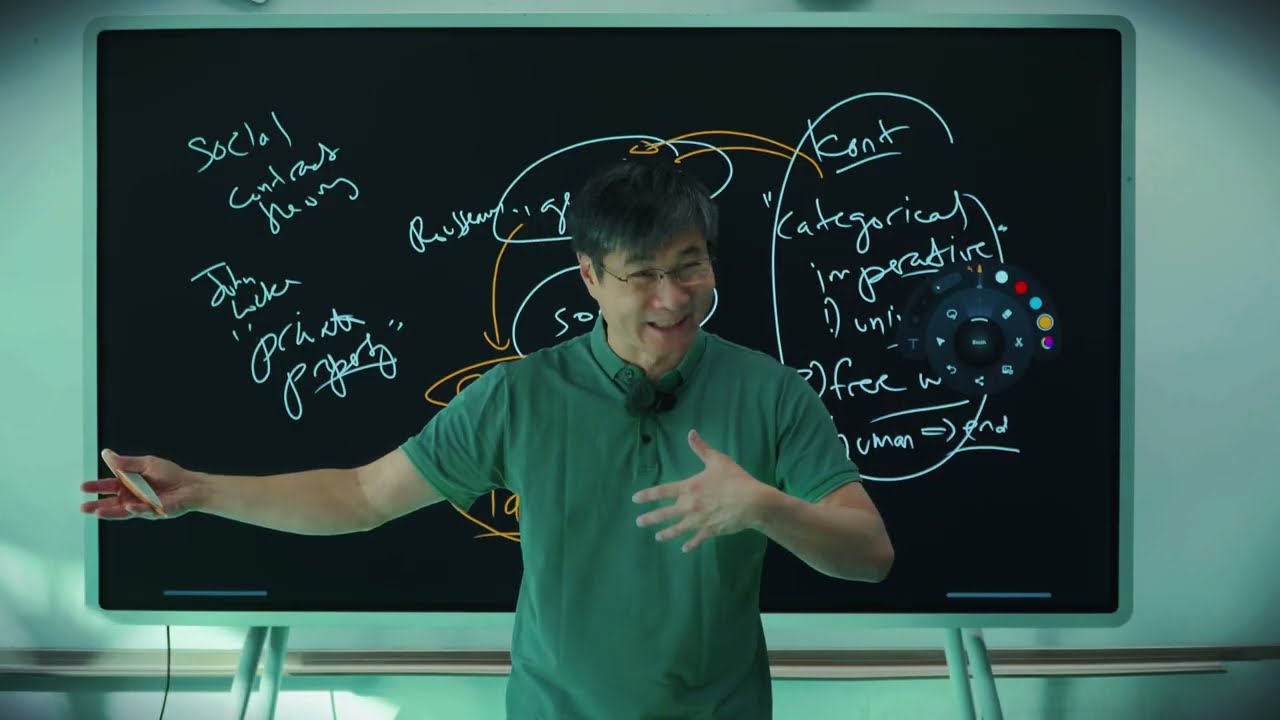
Game Theory #7: America's Game
In this Tuesday, January 27, 2026 lecture to his Beijing high school students, Professor Jiang explains why America is more of a nation-game than it is a nation-state.
-
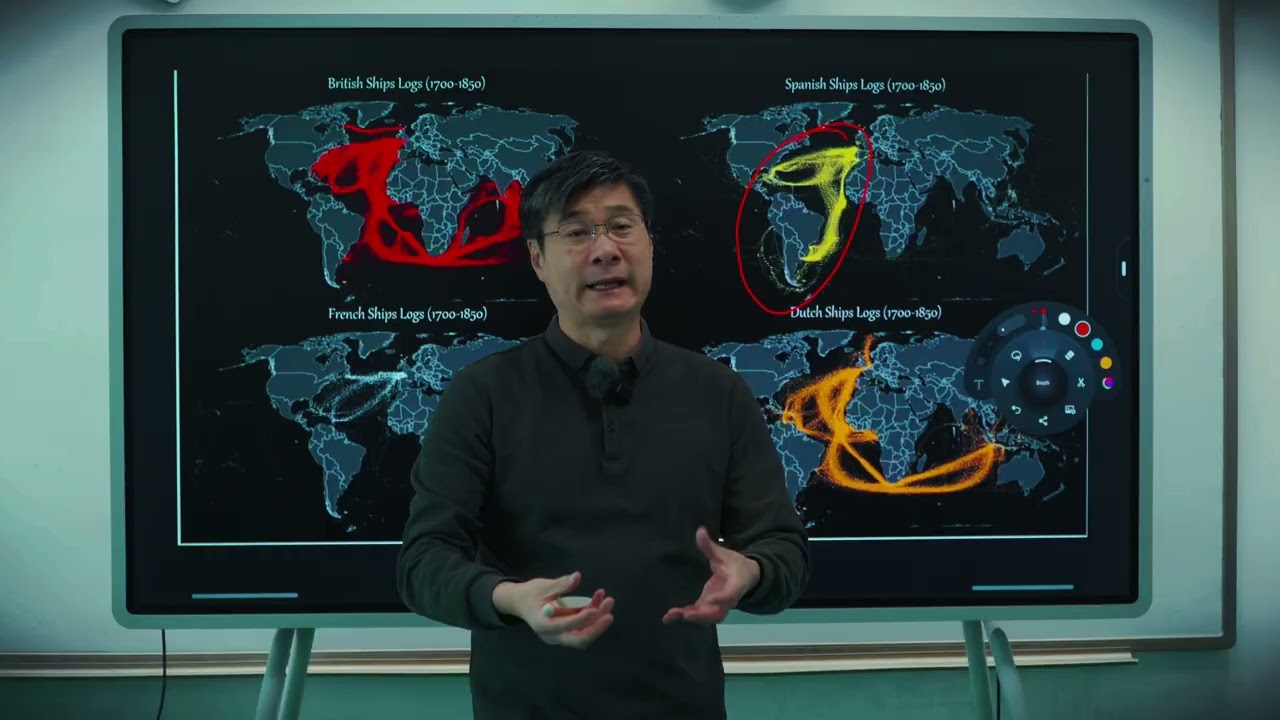
Game Theory #6: The World's Bank
In this Thursday, January 22, 2026 lecture to his Beijing high school students, Professor Jiang explains how the British empire evolved into an offshore financial system.
-
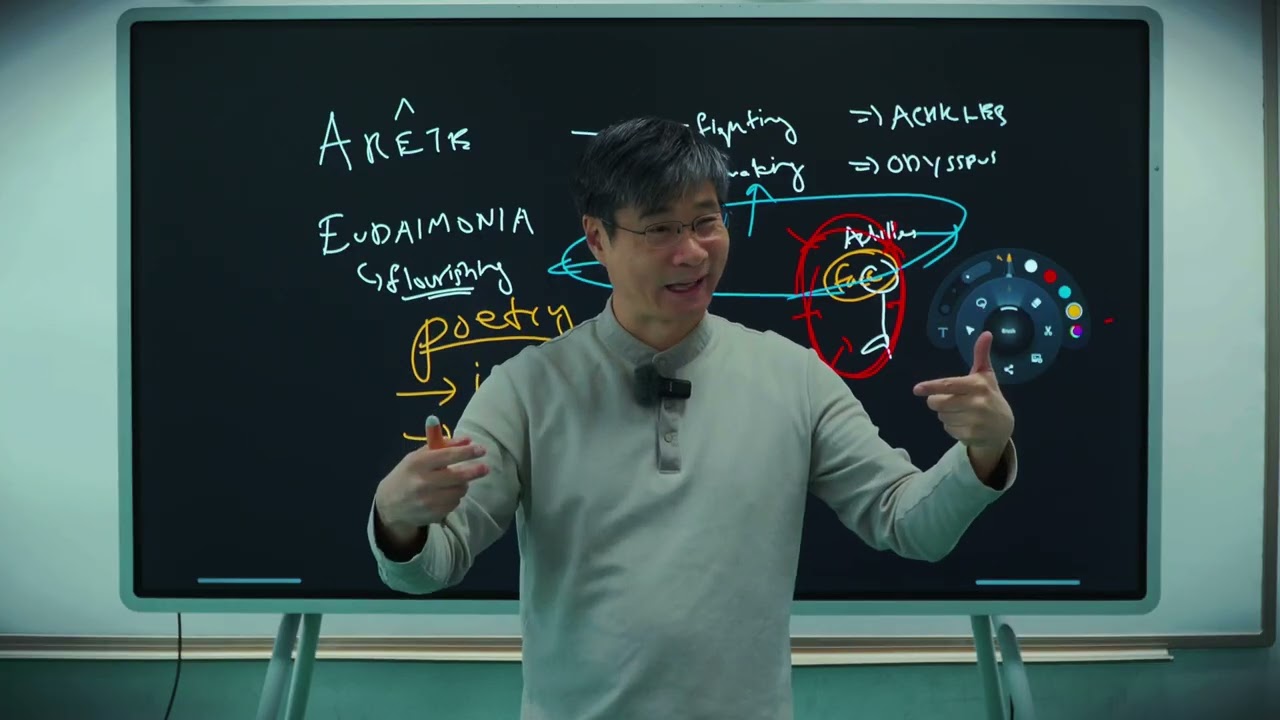
Great Books #3: Poets and Prophets
In this Wednesday, January 21, 2026 lecture to his Beijing high school students, Professor Jiang explains how Homer created Greek civilization.
-
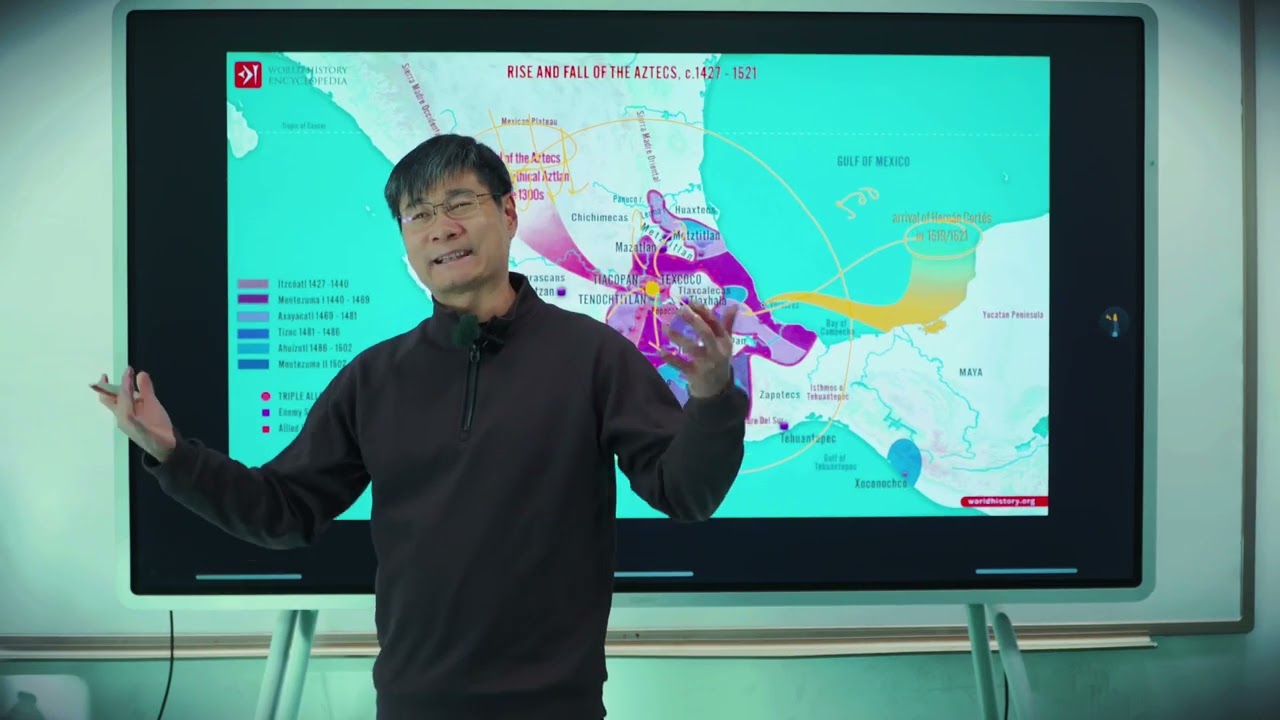
Game Theory #5: The World Game
In this Tuesday, January 20, 2026 lecture to his Beijing high school students, Professor Jiang uses game theory to explain how states rise and fall.
-
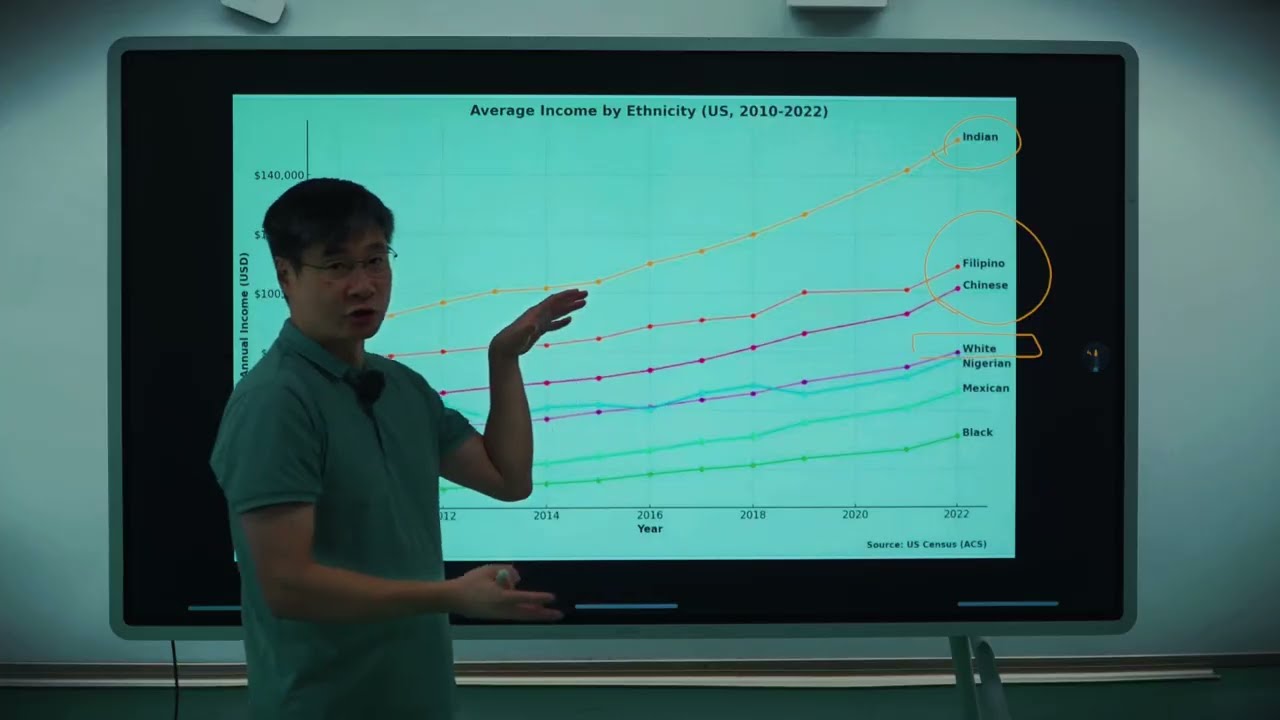
Game Theory #4: The Immigration Trap
In this Thursday, January 15, 2026 lecture to his Beijing high school students, Professor Jiang uses the example of immigration to illustrate how games are rigged.
-
Great Books #2: Homer and the Invention of the Human
In this Wednesday, January 14, 2026 talk to his Beijing high school students, Professor Jiang explains that to be human is to "hear yourself speak."
-
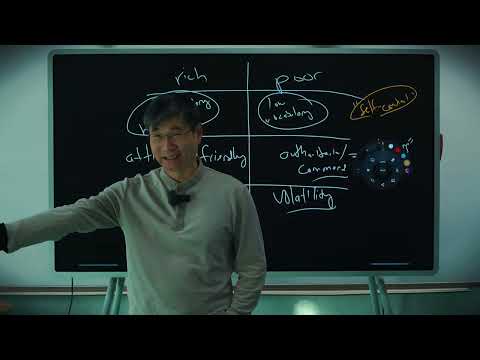
Game Theory #3: Rich Dad, Poor Dad
In this Tuesday, January 13, 2026 lecture to his Beijing high school students, Professor Jiang explains who succeeds, and why.
-
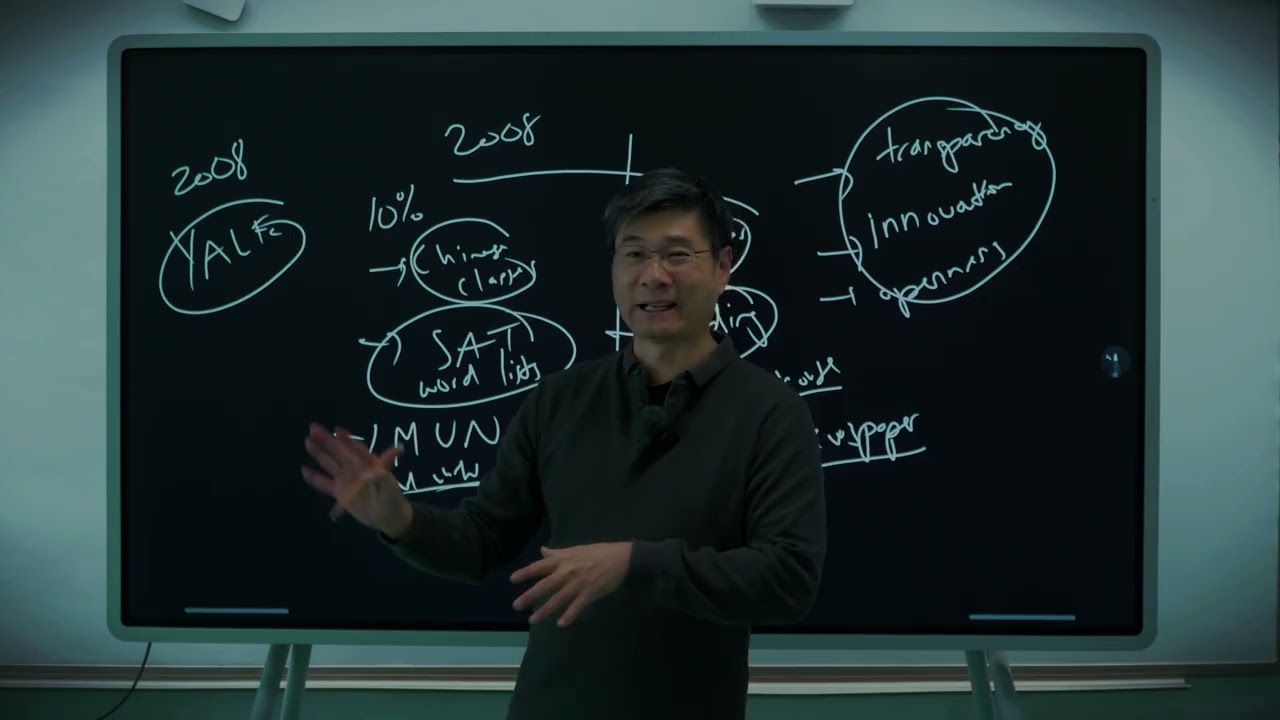
Game Theory #2: Why Schools Suck
In this Thursday, January 8, 2026 lecture to his Beijing high school students, Professor Jiang uses game theory to explore the limitations of schools.
-
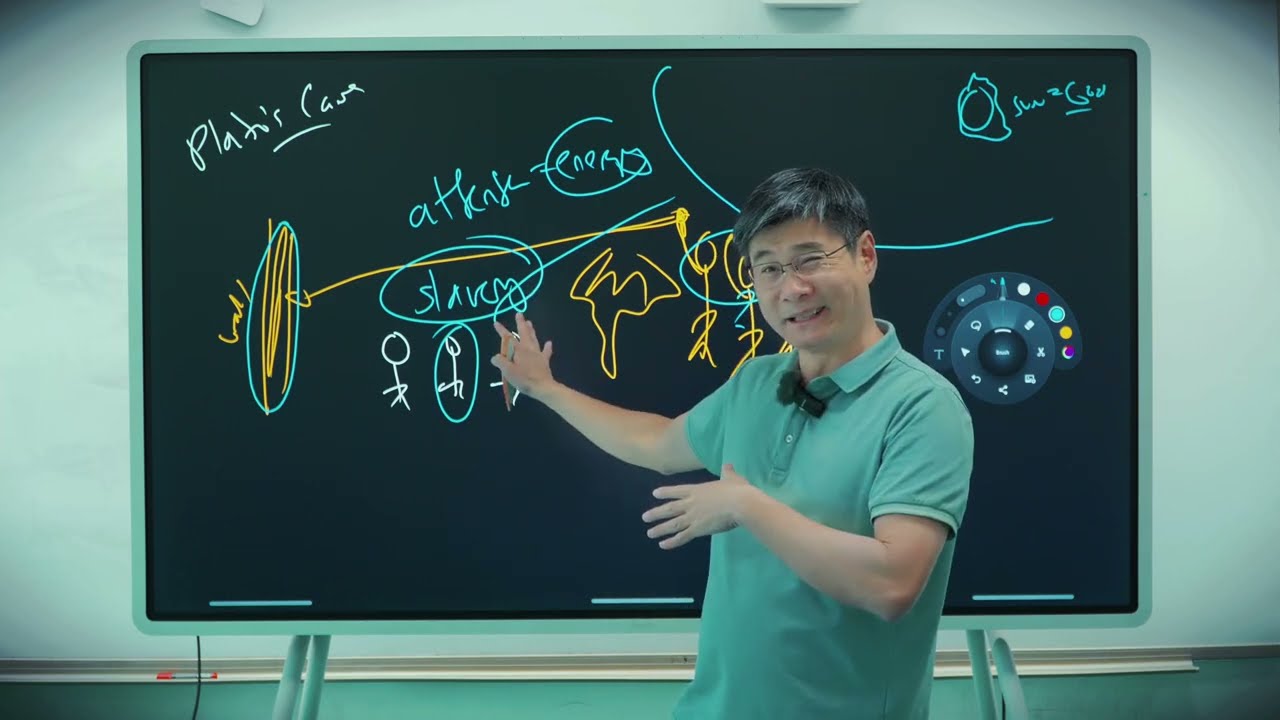
Great Books #1: Secrets of the Universe
What are the Great Books? In this introductory lecture, Professor Jiang explains that the Great Books are meant to help us achieve our true human potential by revealing the secrets of the universe.
-
Game Theory #1: The Dating Game
In this Tuesday, January 6, 2026 lecture to his Beijing high school students, Professor Jiang introduces the concept of game theory, and how it applies to the dating game.
-
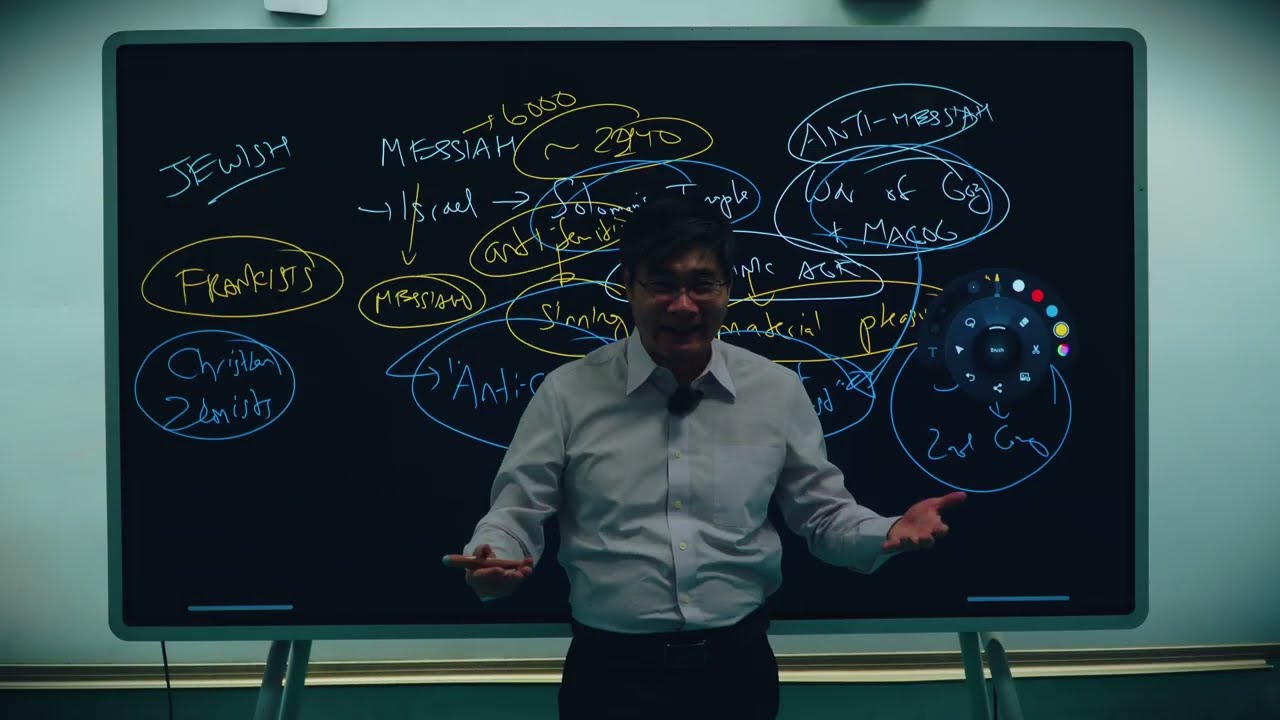
Secret History #END: Pax Judaica
In this Thursday, December 18, 2025 lecture to his Beijing high school students, Professor Jiang explains how and why Pax Judaica will come to rule the world.
-
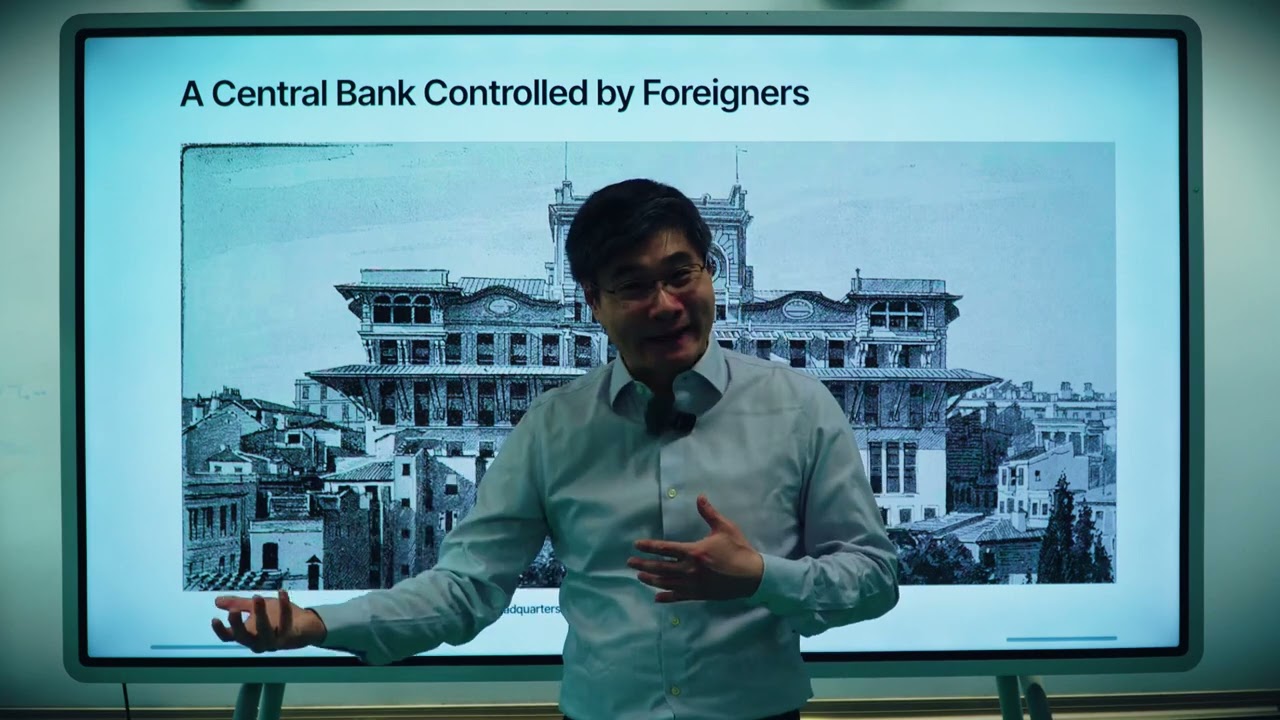
Secret History #27: Empire of Evil
In this Tuesday, December 16, 2025 lecture to his Beijing high school students, Professor Jiang explains how the alliance between the British Empire and the Sabbatean Frankists created modernity.
-
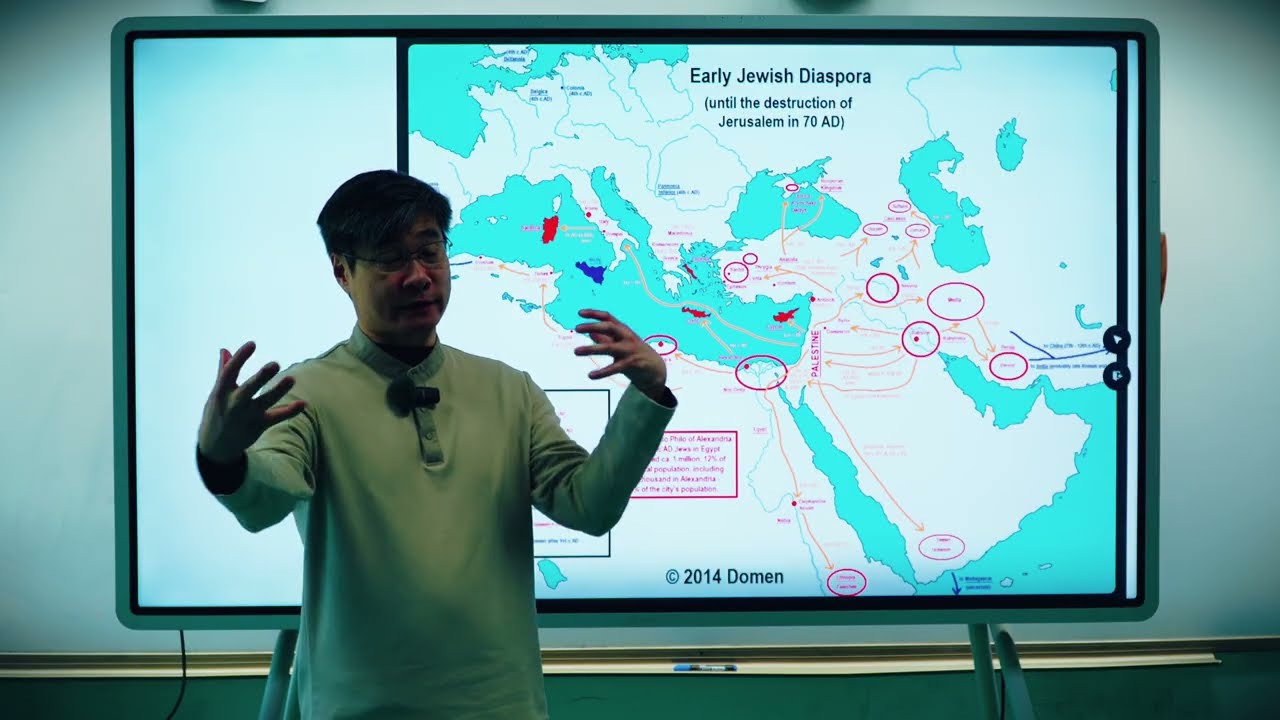
Secret History #26: Faith of Evil
In this Thursday, December 11, 2025 lecture to his Beijing high school students, Professor Jiang explains the religious outlook of Jacob Frank.
-
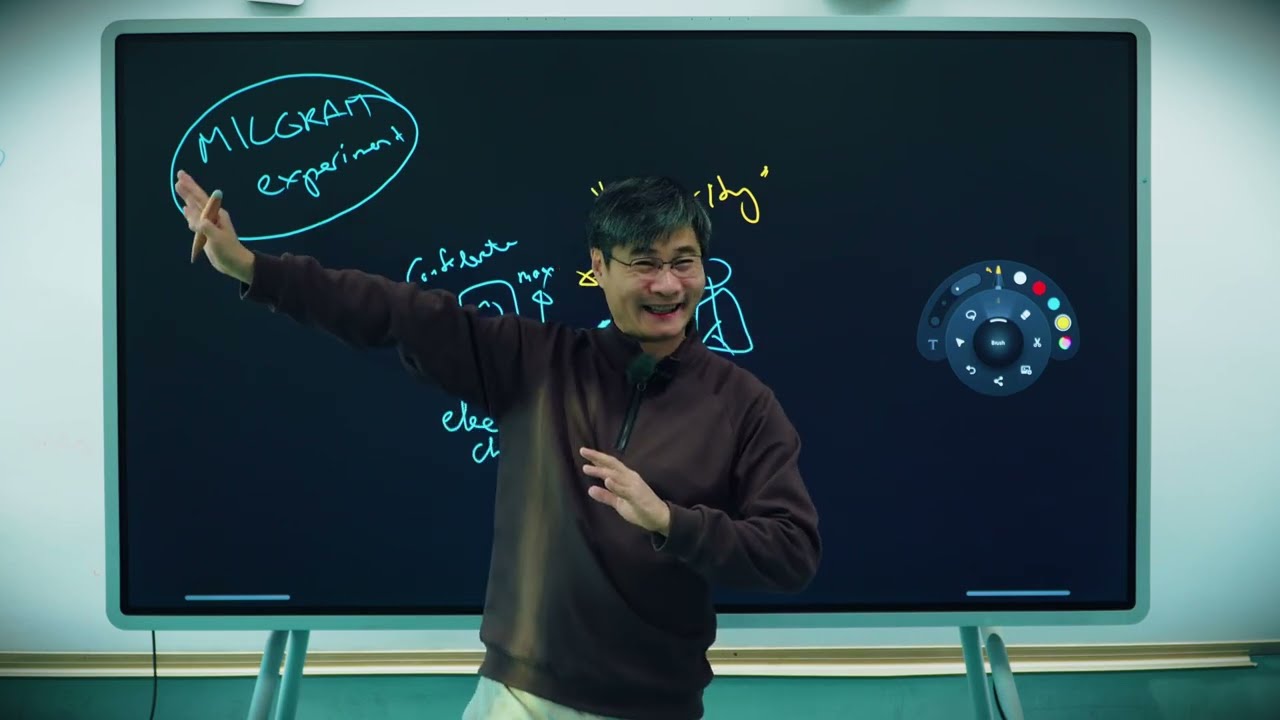
Secret History #25: Capital of Evil
In this Tuesday, December 9, 2025 lecture to his Beijing high school students, Professor Jiang explains how transnational capital came to dominate the world.
-
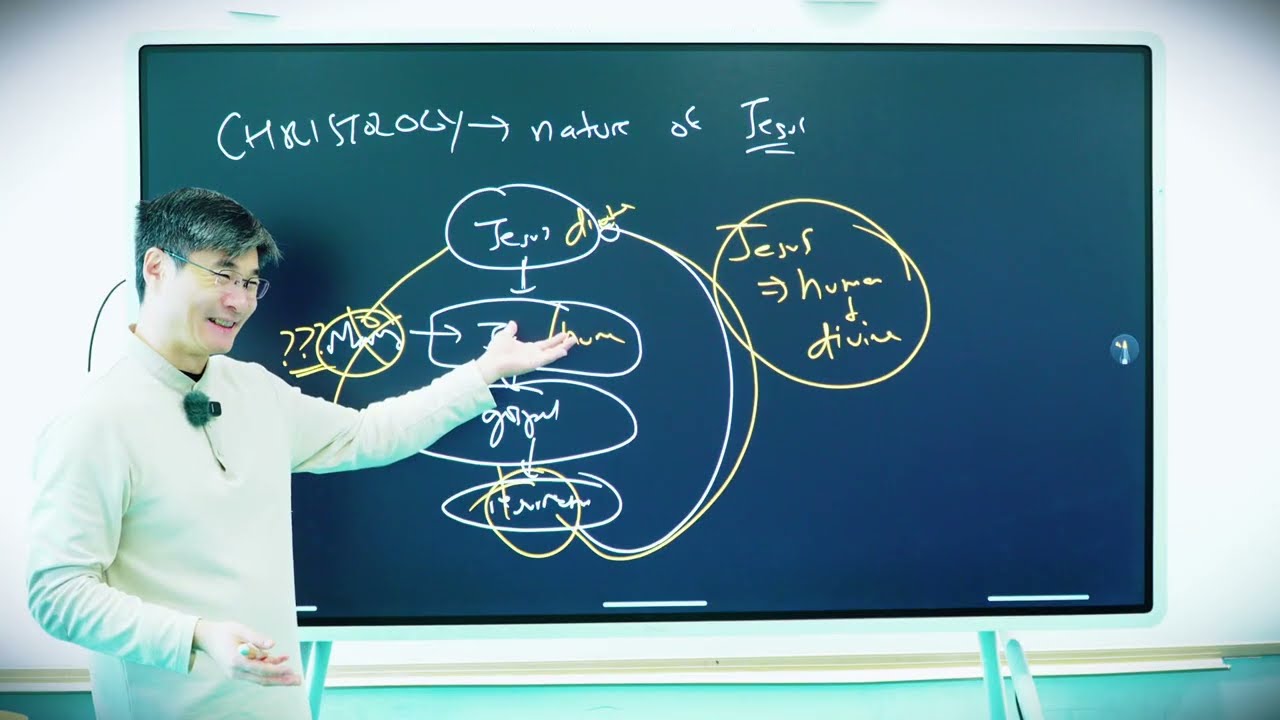
Secret History #24: Empire of Church
In this Thursday, December 4, 2025 lecture to his Beijing high school students, Professor Jiang explains how the Catholic Church became the ultimate empire.
-
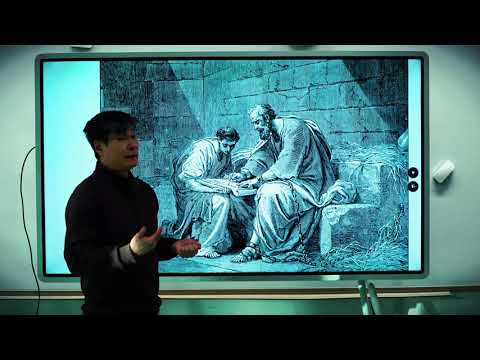
Secret History #23: The Organization of Evil
In this Tuesday, December 2, 2025 lecture to his Beijing high school students, Professor Jiang explains how Paul created Christianity.
-
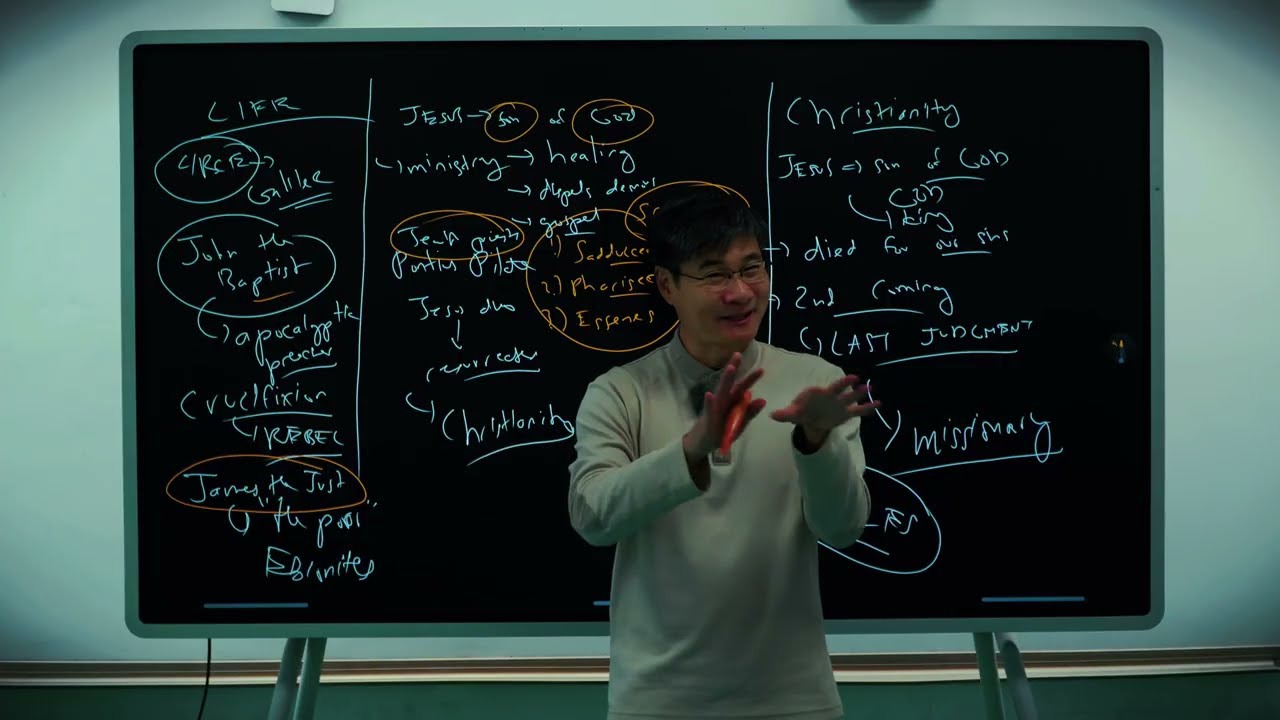
Secret History #22: The Divine Spark of Jesus
In this Thursday, November 27, 2025 lecture to his Beijing high school students, Professor Jiang explains the true teachings of Jesus.
-
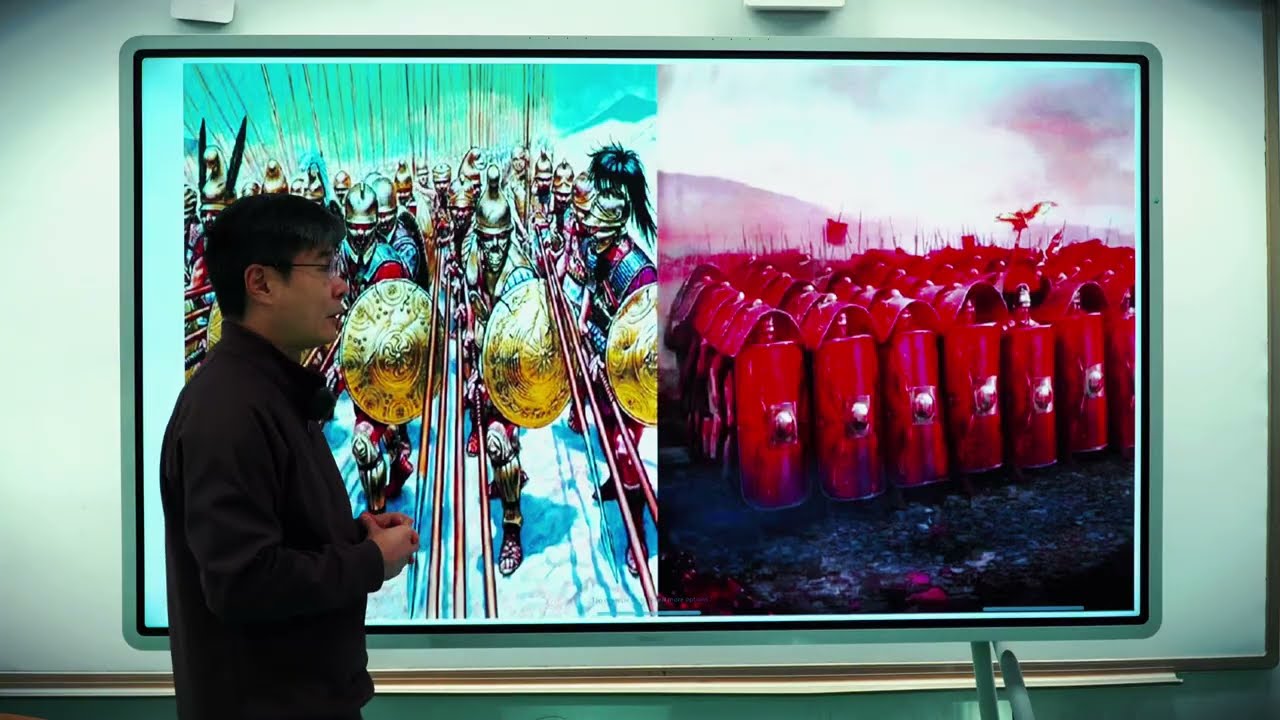
Secret History #21: Roman Anti-Civilization
In this Tuesday, November 25, 2025 lecture to his Beijing high school students, Professor Jiang explains how Rome came to dominate the Mediterranean.
-
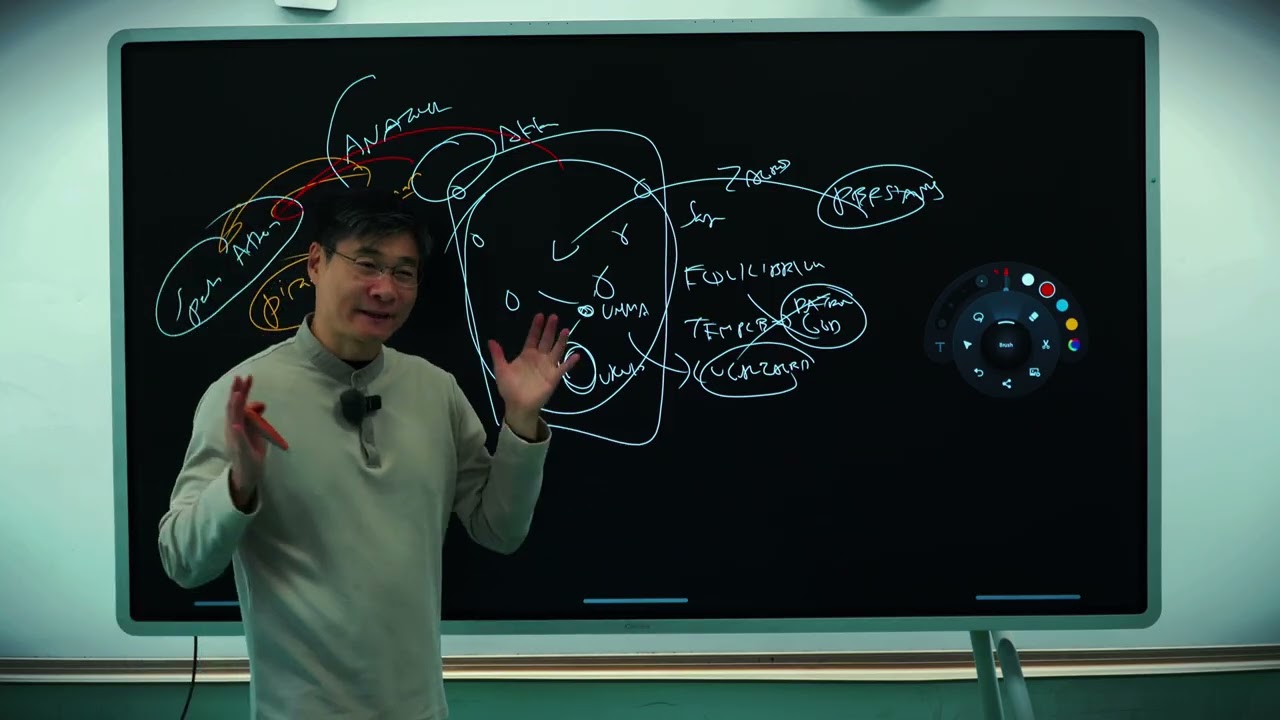
Secret History #20: The Hellenistic World
In this Thursday, November 20, 2025 lecture to his Beijing high school students, Professor Jiang explains how and why Alexander the Great birthed the Hellenistic world.
-
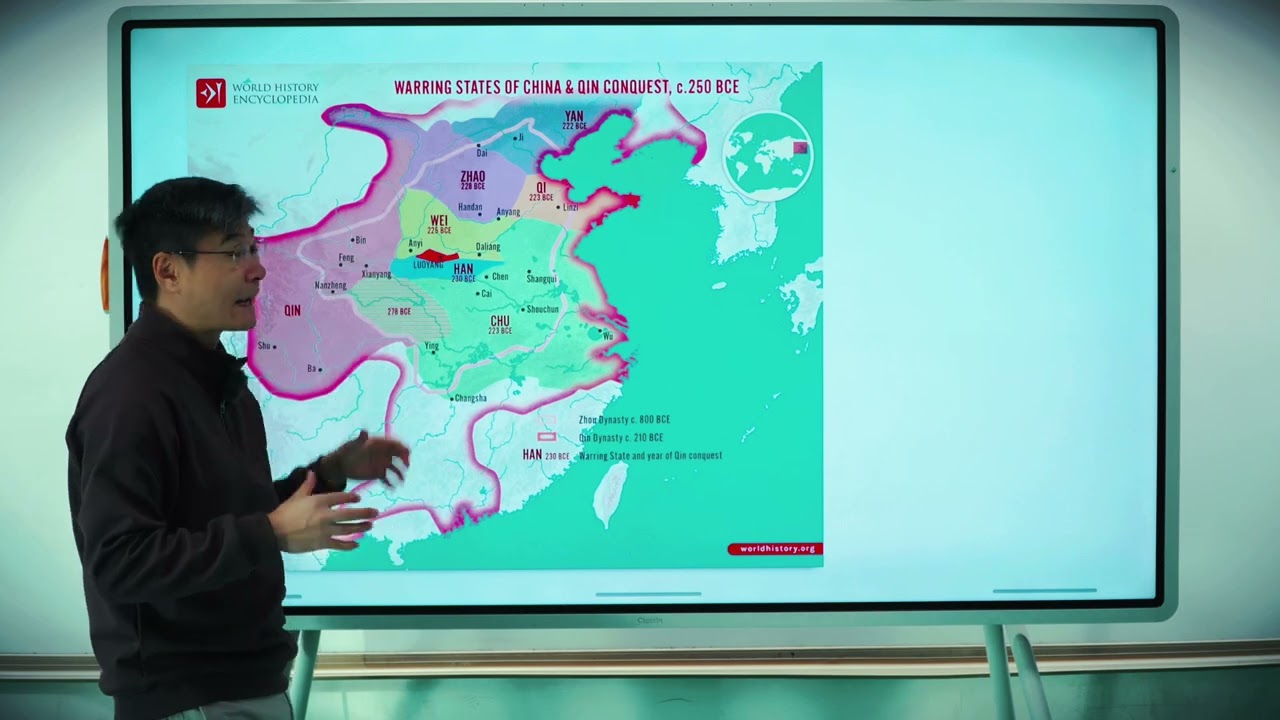
Secret History #19: Dawn of the Jews
In this Tuesday, November 18, 2025 lecture to his Beijing high school students, Professor Jiang explains that the Persians constructed the Jewish identity in order to divide and rule the Levant.
-
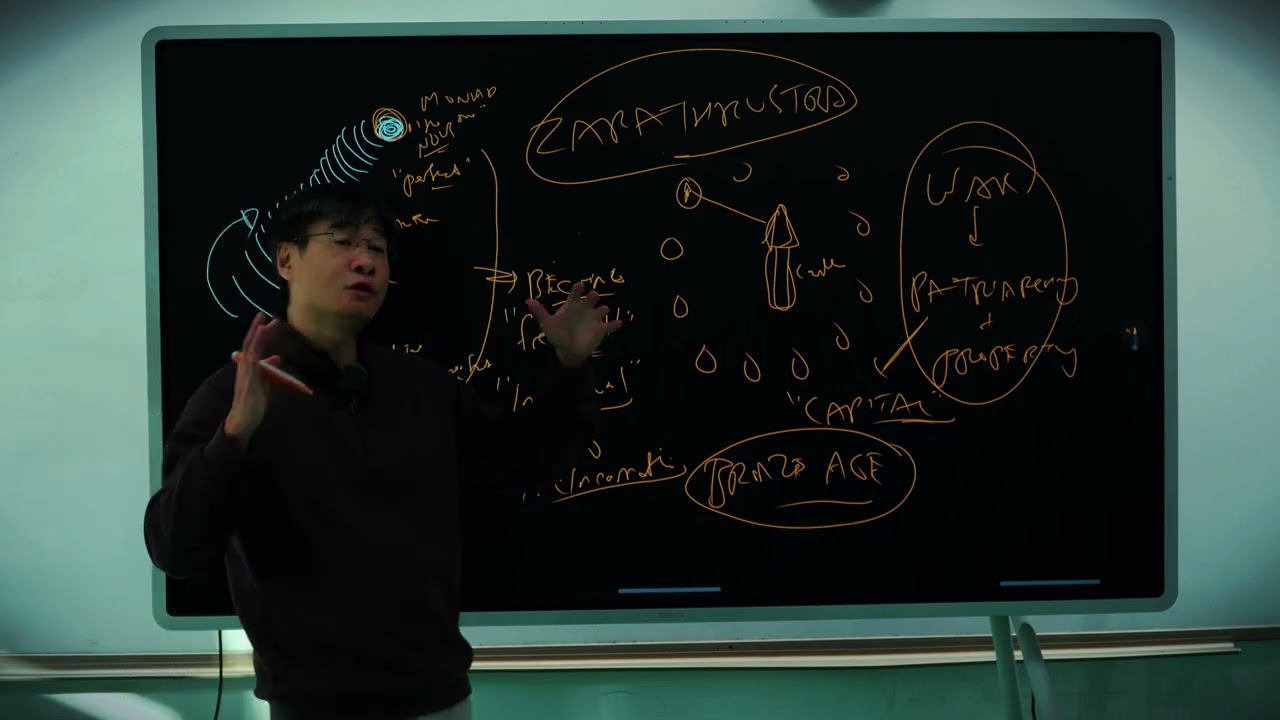
Secret History #18: Thus Spoke Zarathustra
In this Friday, November 14, 2025 lecture to his Beijing high school students, Professor Jiang explains how Zarathustra create monotheism.
-
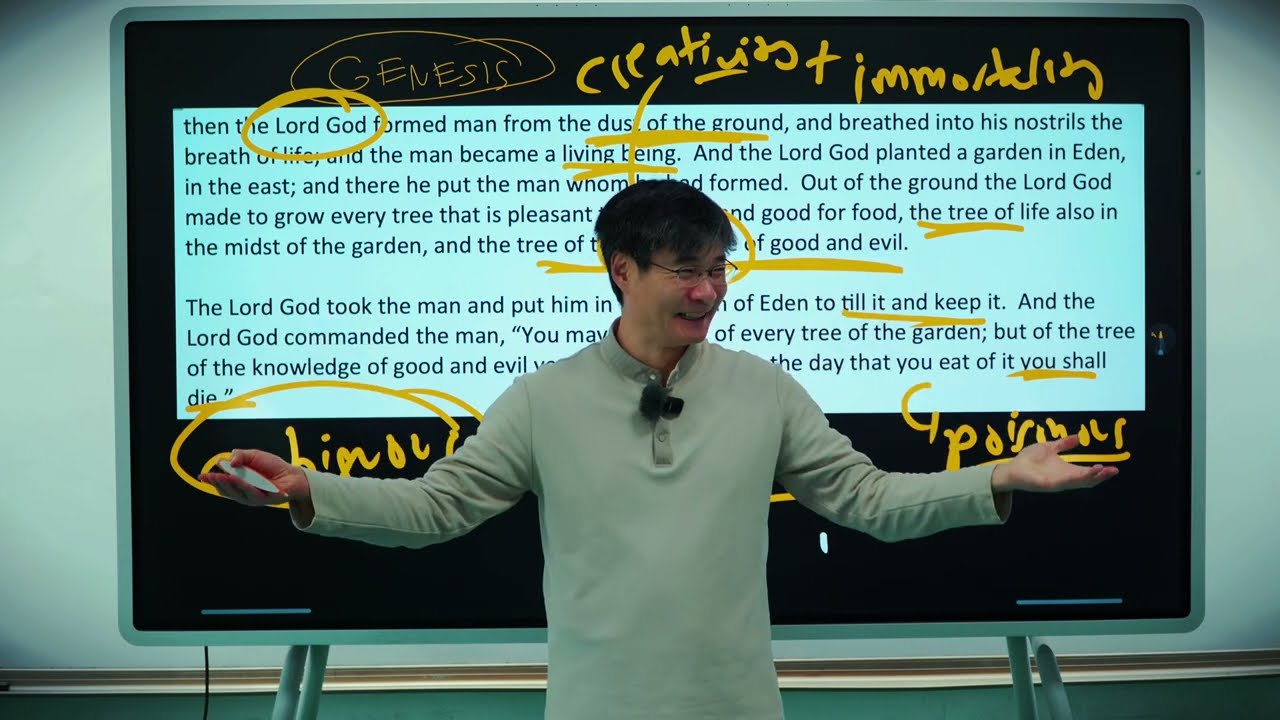
Secret History #17: Literary Genesis
In this Wednesday, November 12th lecture to his Beijing high school students, Professor Jiang explains how the Yahwehist gave birth to the Bible as well as the nation of Israel.
-
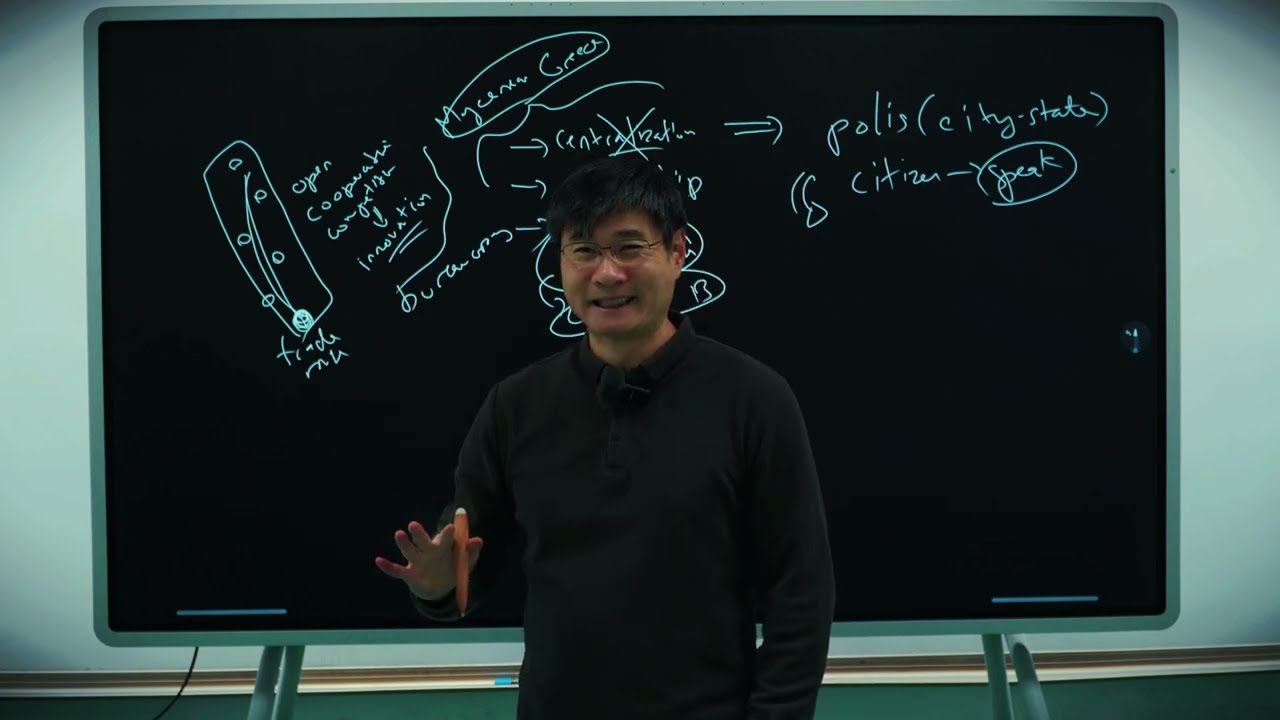
Secret History #16: The Big Bang of Greek Civilization
In this Thursday, November 6, 2025 lecture to his Beijing high school students, Professor Jiang explains how Homer gave birth to Greek civilization, humanity's creative peak.
-
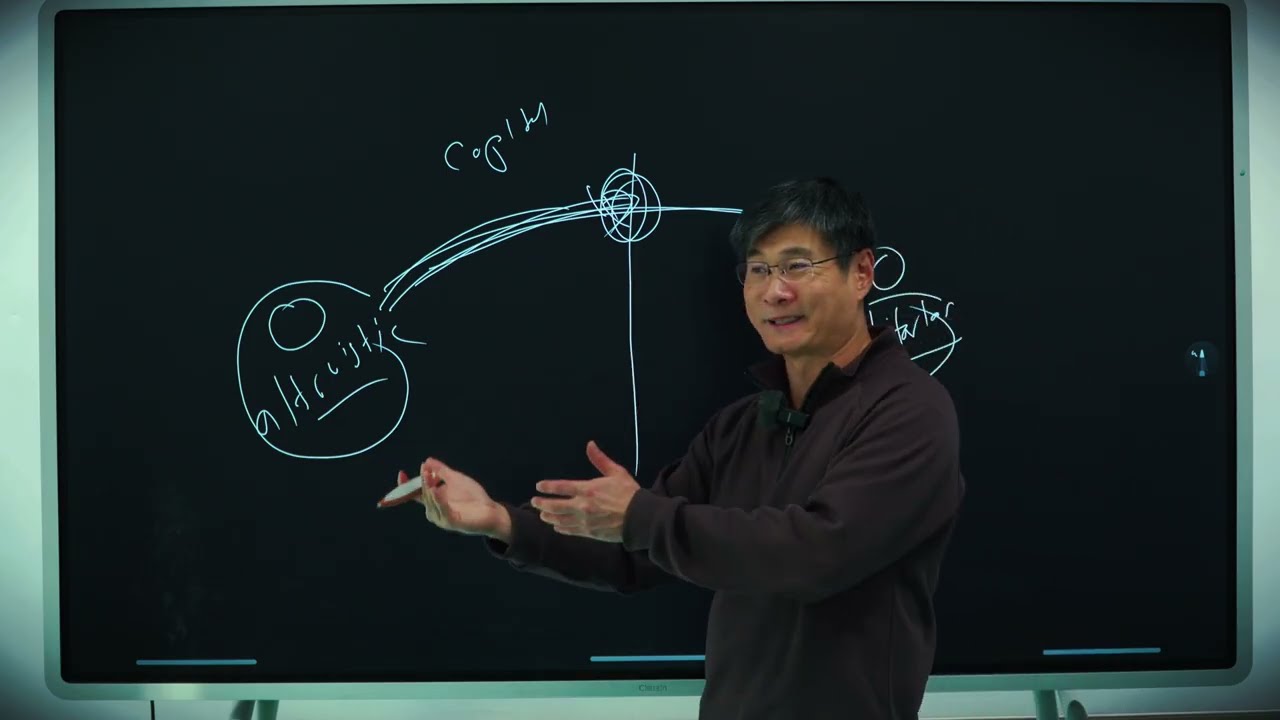
Secret History #15: Capital and the Bronze Age Collapse
In this Tuesday, November 4, 2025 lecture to his Beijing high school students, Professor Jiang explains how the Bronze Age global trade network was a proto-capitalistic system, and therefore bound to collapse hard and fast.
-
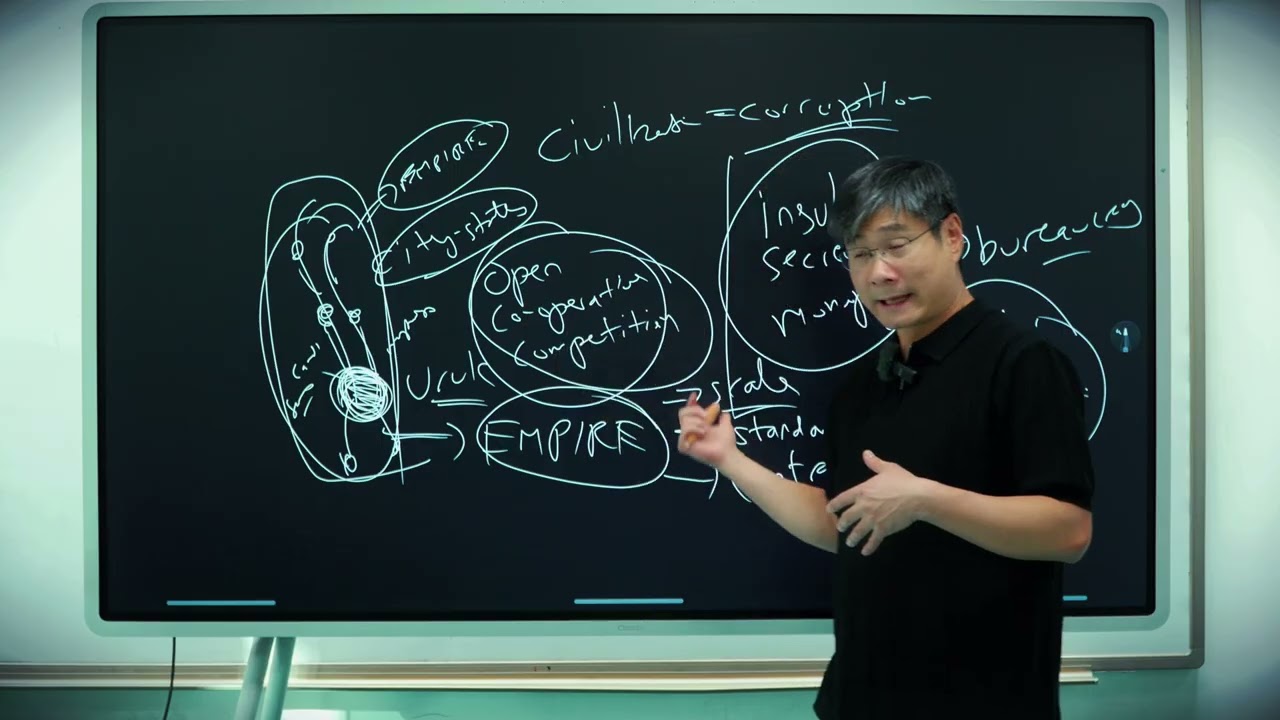
Secret History #14: Legacy of the Steppes
In this Friday, October 31, 2025 lecture to his Beijing high school students, Professor Jiang explains that the people of the steppes were history's greatest conquerors because they were the most open, energetic, cohesive.
-
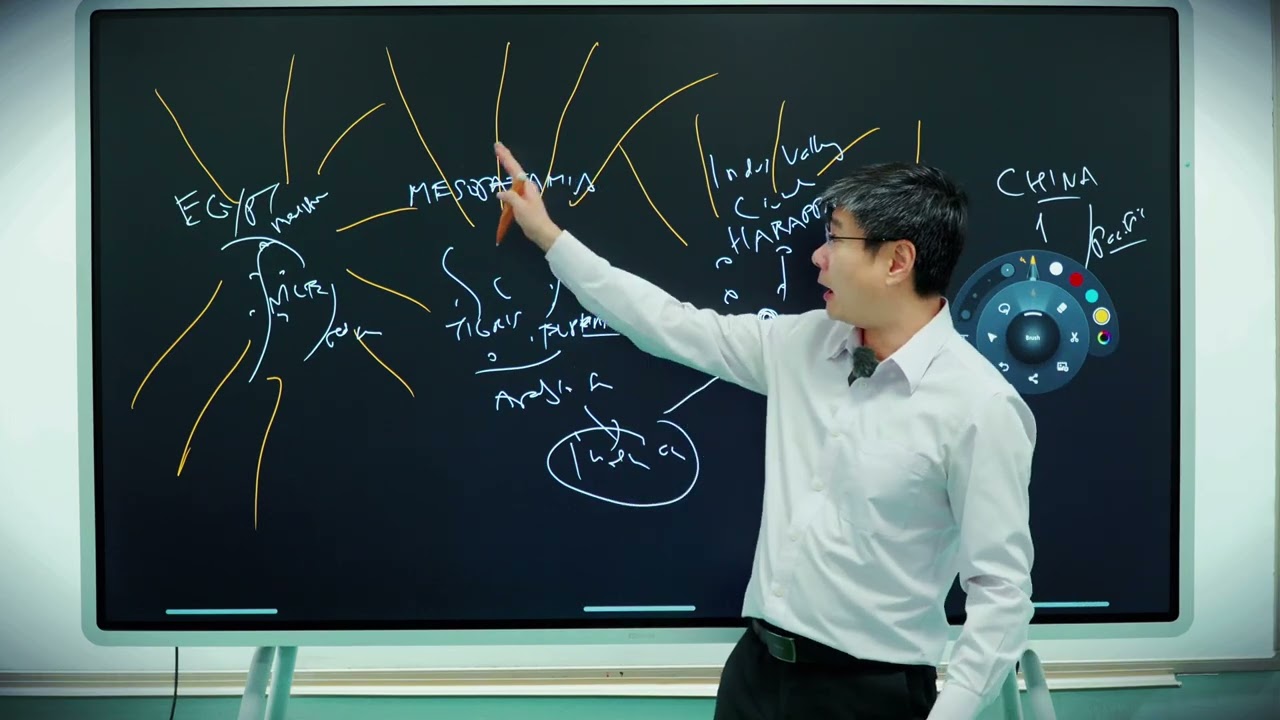
Secret History #13: Mandate of Heaven
In his Wednesday, October 29, 2025 lecture to his Beijing high school students, Professor Jiang proposes a new theory on the birth of civilizations.
-
Secret History #12: Heaven on Earth
In this lecture to his Beijing high school students, Professor Jiang explains how the religious imagination inspired humans to Heavenly achievements.
-
Secret History #11: Dawn of the Human Imagination
In his Tuesday October 21, 2025 class Professor Jiang argues against Charles Darwin's Theory of Evolution. He believes that humans from the beginning were spiritual, compassionate, and artistic.
-
Secret History #10: The Conspiracy of Evil
In this Friday, October 17, 2025 lecture to his Beijing high school students Professor Jiang examines three major American events. He shows that the official explanations for the JFK assassination, the 1969 moon landing, and 9/11 are problematic.
-
Secret History #9: The Theory of Everything
Where did we come from? Why are we here? Where are we going?
-
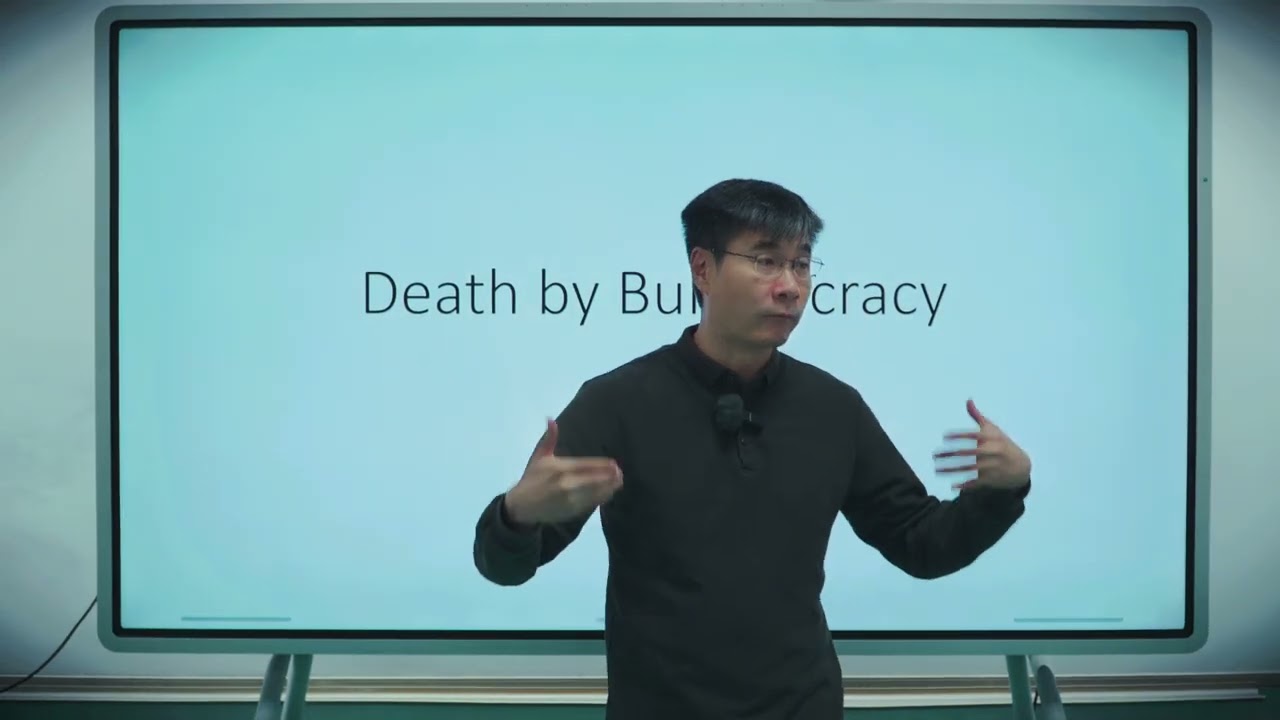
Secret History #8: Death by Bureaucracy
Notes and References:
-
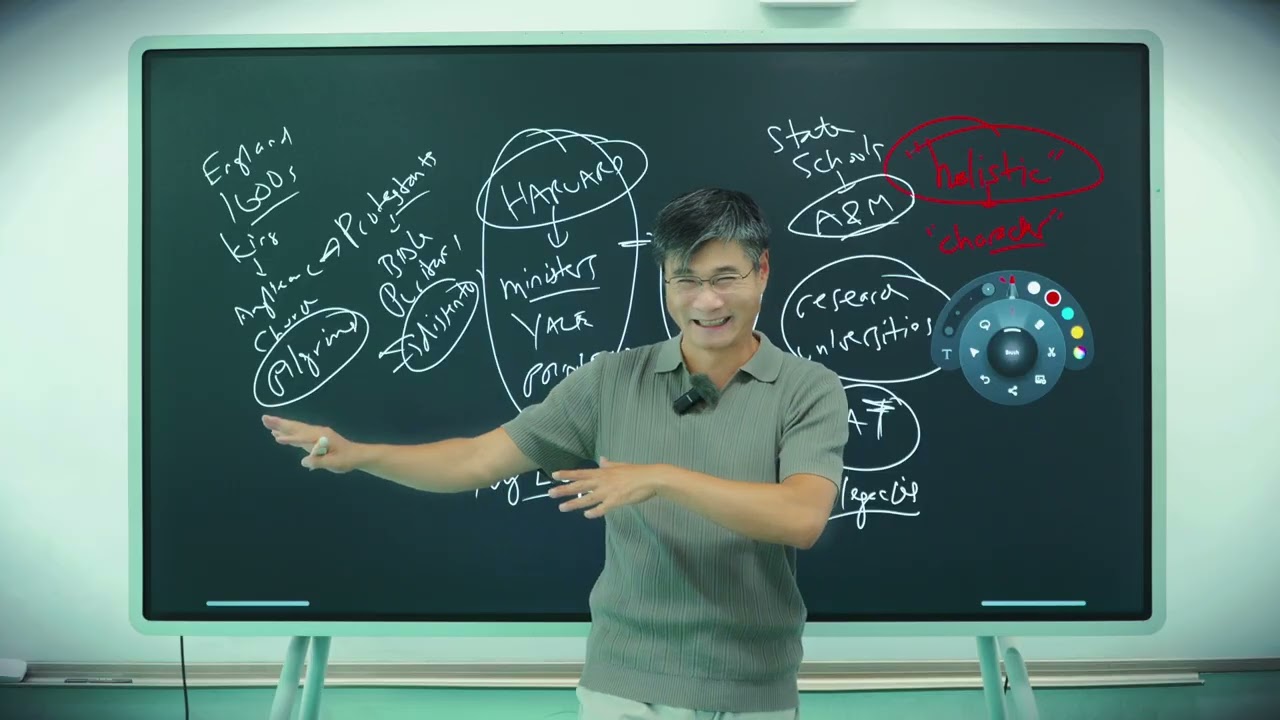
Secret History #7: Death by Meritocracy
We like to believe that a meritocracy is the best way to pick society's winners and losers. In this Friday, September 12, 2005 lecture to his Beijing high school students Professor Jiang argues that the meritocracy is destroying America.
-
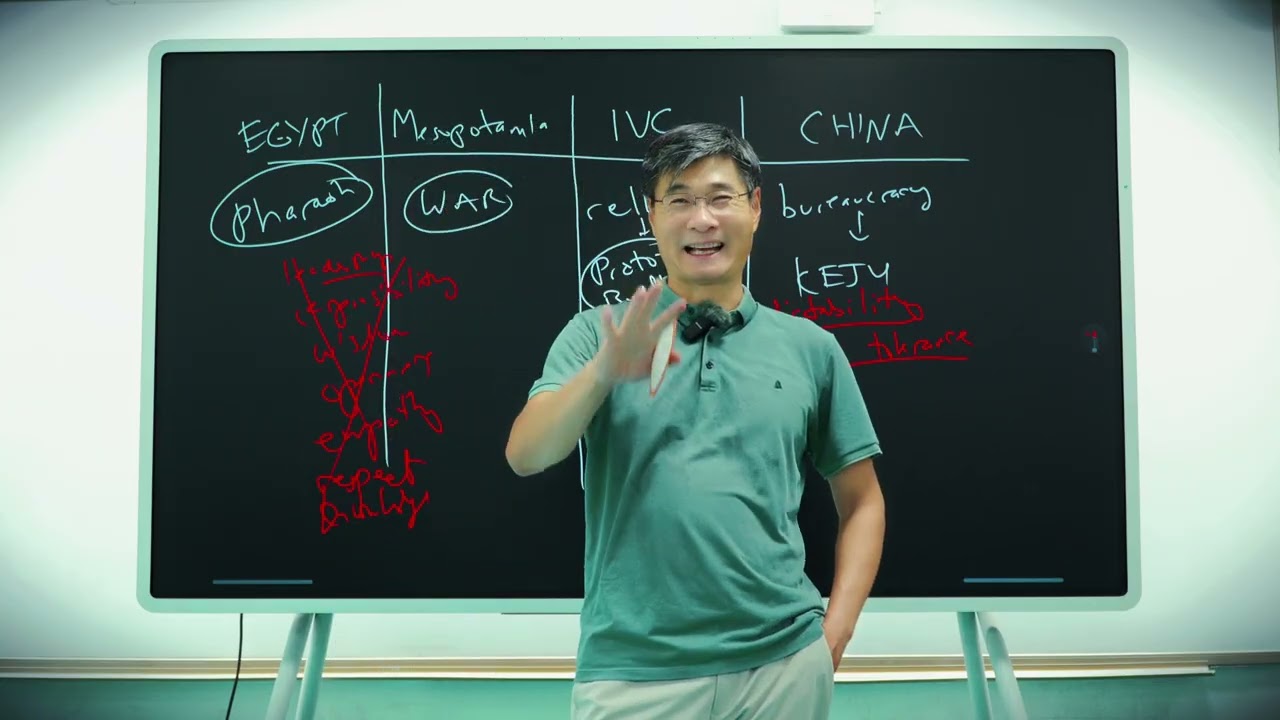
Secret History #6: The Psychology of Evil (Graphic and Disturbing, Viewer Discretion Advised)
What is mind control, and how does it work?
-
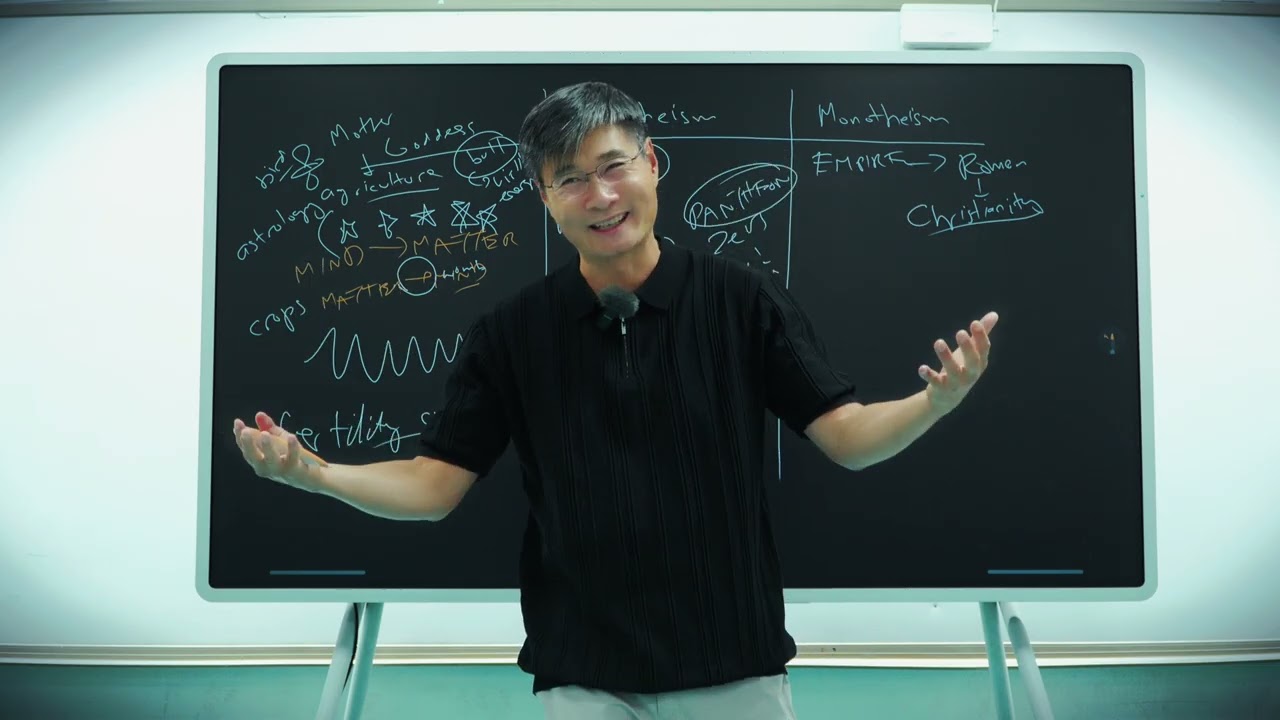
Secret History #5: The Birth of Evil
Where do secret societies come from? What do they teach?
-
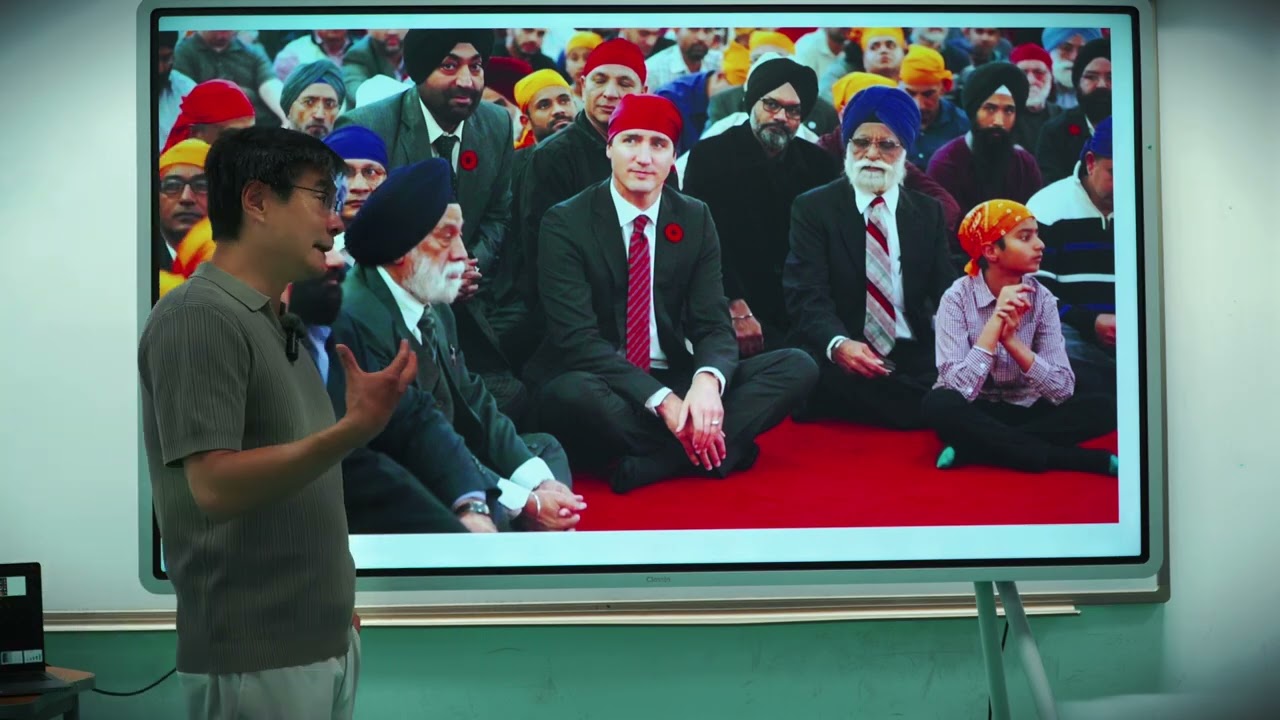
Secret History #3: Death by Gerontocracy
The Western world is in decline. Immigration is tearing apart the social contract, and causing ethnic tensions. Young people cannot find work, and can no longer afford a house. Debt is crippling governments and households.
-
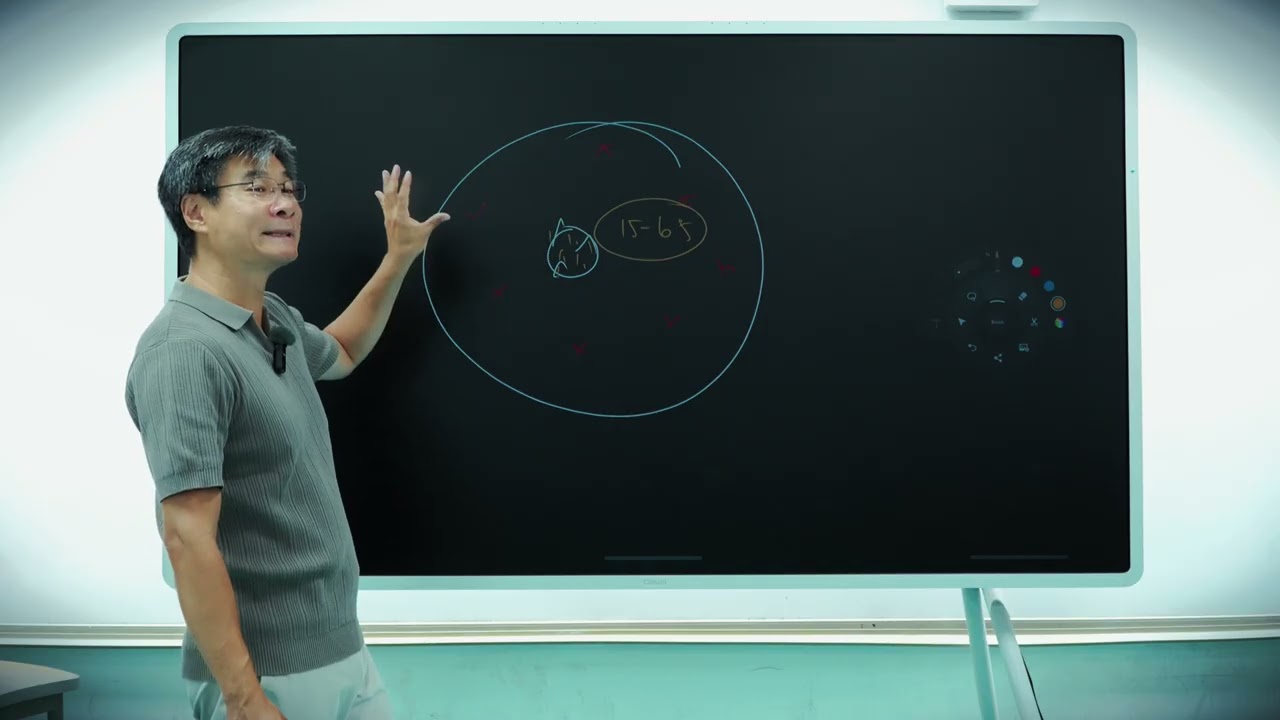
Secret History #4: How Evil Triumphs
Why is there evil in the world?
-
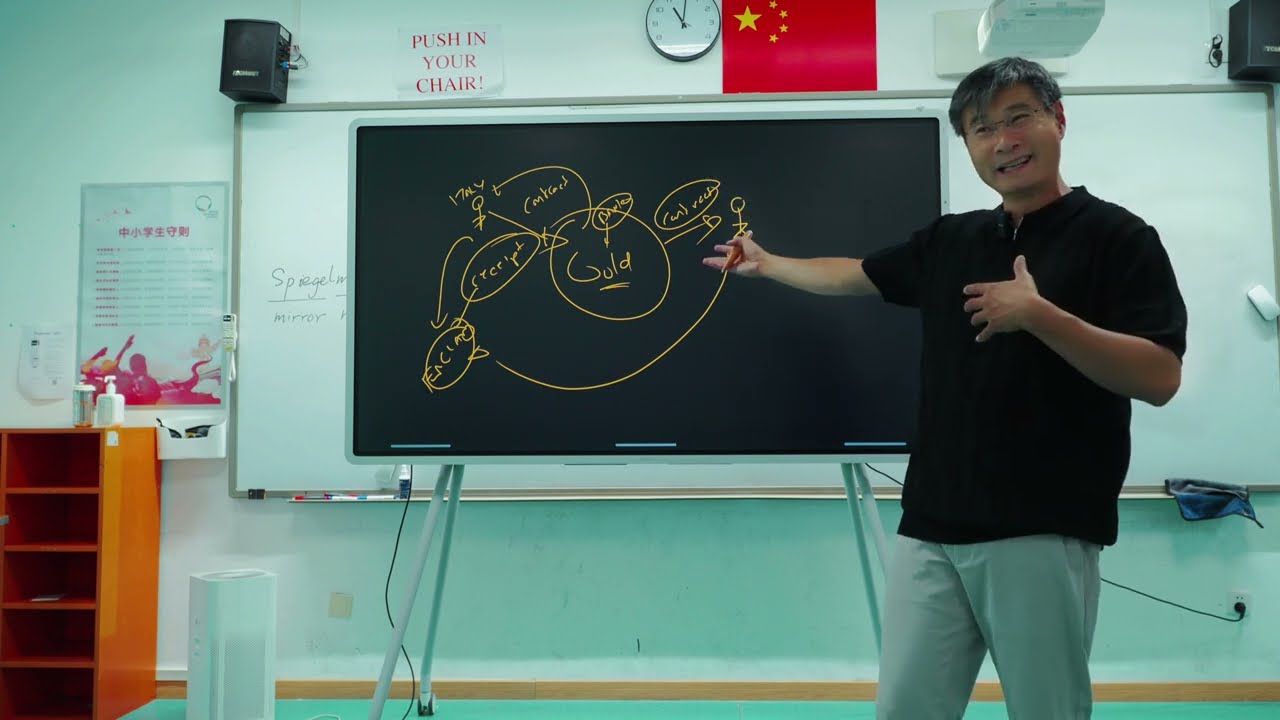
Secret History #1: How Power Works (4K Re-Upload with Audio Fixed)
In this lecture, Professor Jiang proposes that by studying geo-politics we can develop analytical frameworks that permit us to predict the future. If our predictions turn out to be accurate, we can use these validated frameworks to reveal the secret history of humanity.
-
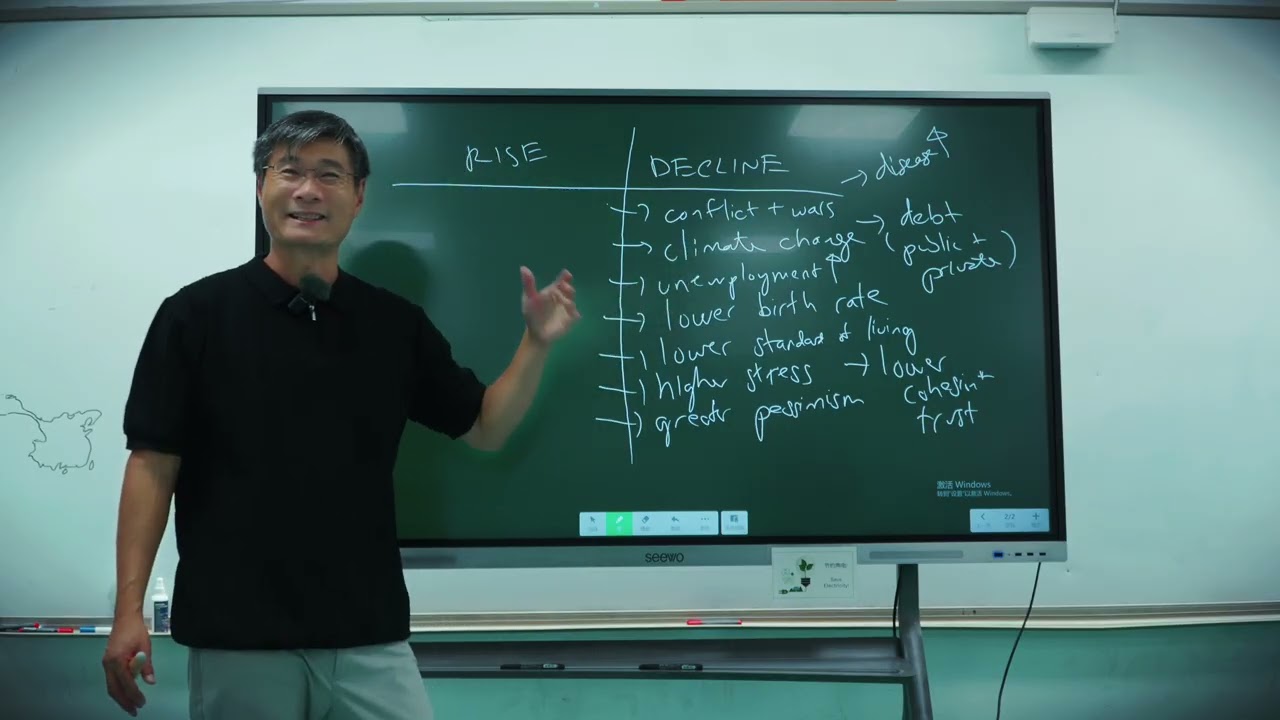
Secret History #2: How Societies Collapse
In this lecture, Professor Jiang explains the three theories as to why and how societies rise and fall: the financialization of society, elite over-production, and the civilization life cycle.
-
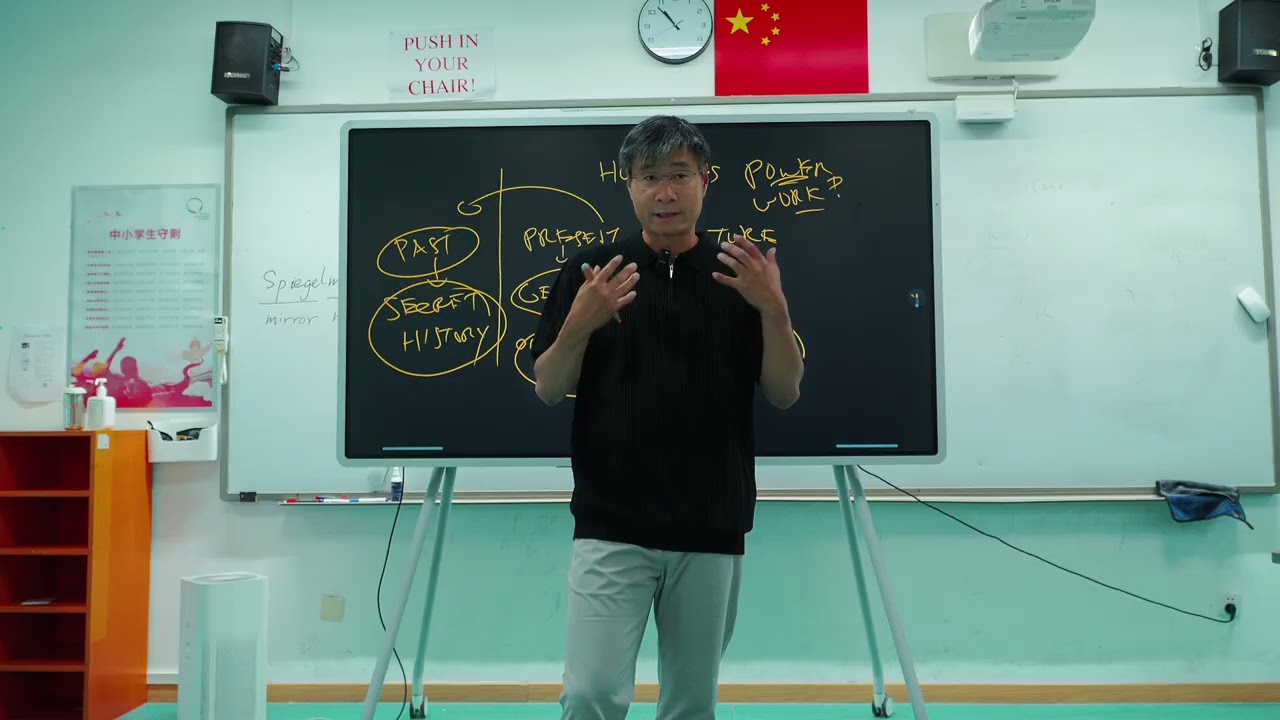
Secret History #1: How Power Works
In this lecture, Professor Jiang proposes that by studying geo-politics we can develop analytical frameworks that permit us to predict the future. If our predictions turn out to be accurate, we can use these validated frameworks to reveal the secret history of humanity.
-

Geo-Strategy Update #8: Why the West is Doomed
The Western world is facing unprecedented levels of immigration, inflation, and economic malaise.
-
Geo-Strategy Update #7: When Eschatologies Converge
In this talk, Professor Jiang offers his geo-political predictions for the next twenty years.
-
Geo-Strategy Update #6: Is Putin the Ubermensch?
Why did Putin invade Ukraine? What is his endgame? How did he come from nowhere to become the most powerful man in Russia?
-
Geo-Strategy Update #5: The Universal Law of Game Theory
In this talk, Professor Jiang explains how and why Christian Zionism dominates American Middle East policy. He introduces the universal law of game theory, which helps reveal how the world works. He also discusses how Mohammad became the Jewish Messiah.
-
Geo-Strategy Update #4: Newton's Divine Plan
In this talk, Professor Jiang explains how and why Isaac Newton founded Christian Zionism, which is driving the conflict in the Middle East today.
-
Geo-Strategy Update #3: The Messianic Calling
What motivates Trump, Netanyahu, and Khamenei? In this talk, Professor Jiang explains that all three have a messianic calling.
-

Geo-Strategy Update #2: WWIII Begins, Let's Game Theory
Last night, the Americans bombed three Iranian nuclear facilities. The US-Iran War has begun. How will this war play out?
-
Geo-Strategy Update: US-Iran War Incoming
In this video, Professor Jiang offers his perspective on the imminent US-Iran War. He points out Iran has many advantages, but there are three unknowns that would alter the trajectory of the war. Will the US and Israel be able to assassinate Iran's supreme leader? What will Putin do? How will...
-

Civilization BONUS: Meet Professor Jiang
In this video, Professor Jiang introduces himself, and answers the following three questions:
-
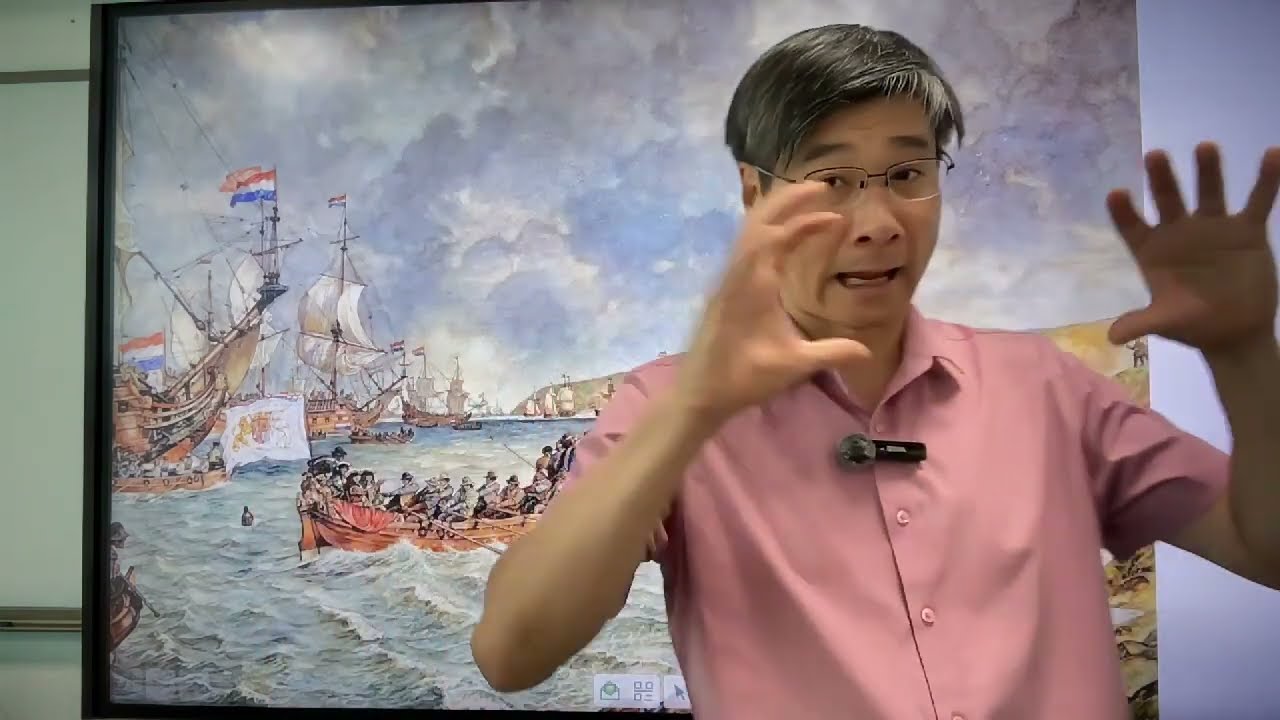
Civilization #END: The Decline and Fall of the American Empire
In this final talk of the "Civilization" course, Jiang Xueqin explains the rise and fall of the American empire.
-
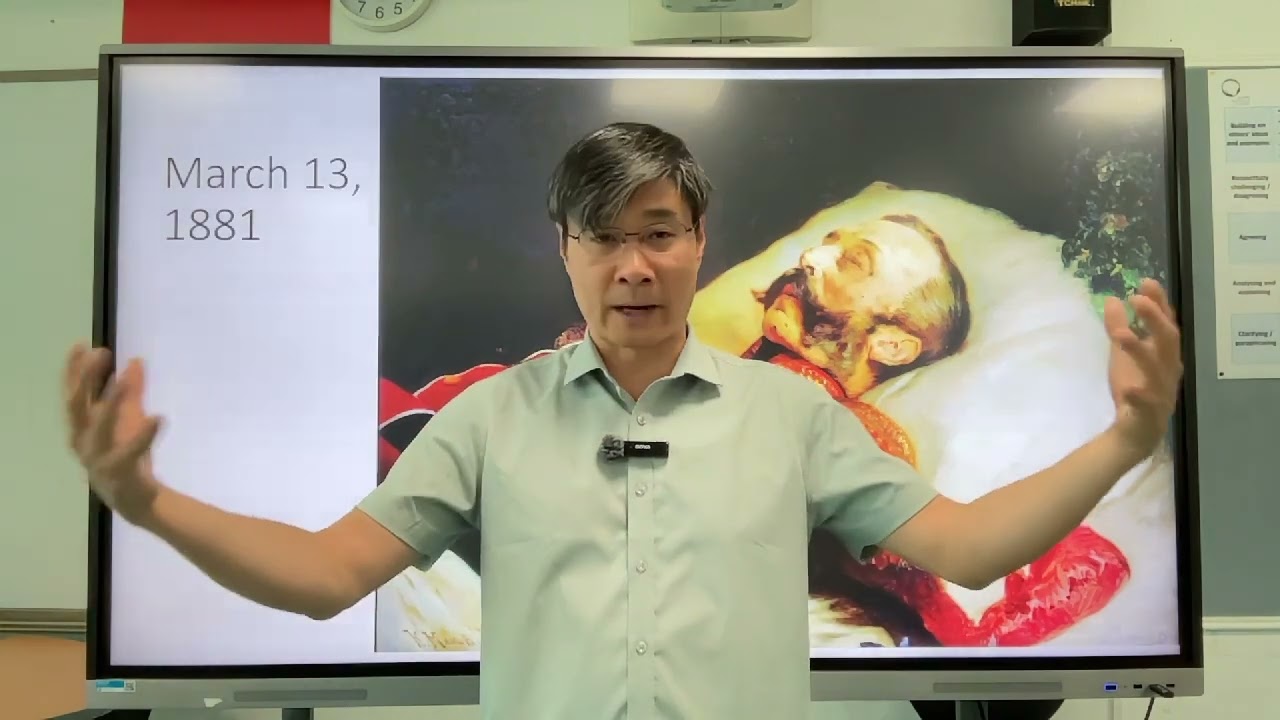
Civilization #59: The Man of Steel
How did a poor Georgian high school drop-out help lead a fringe and fanatical political party (the Bolsheviks) into absolute power in Russia? How was Stalin able to eliminate his competitors? How did he defeat Hitler in World War II?
-
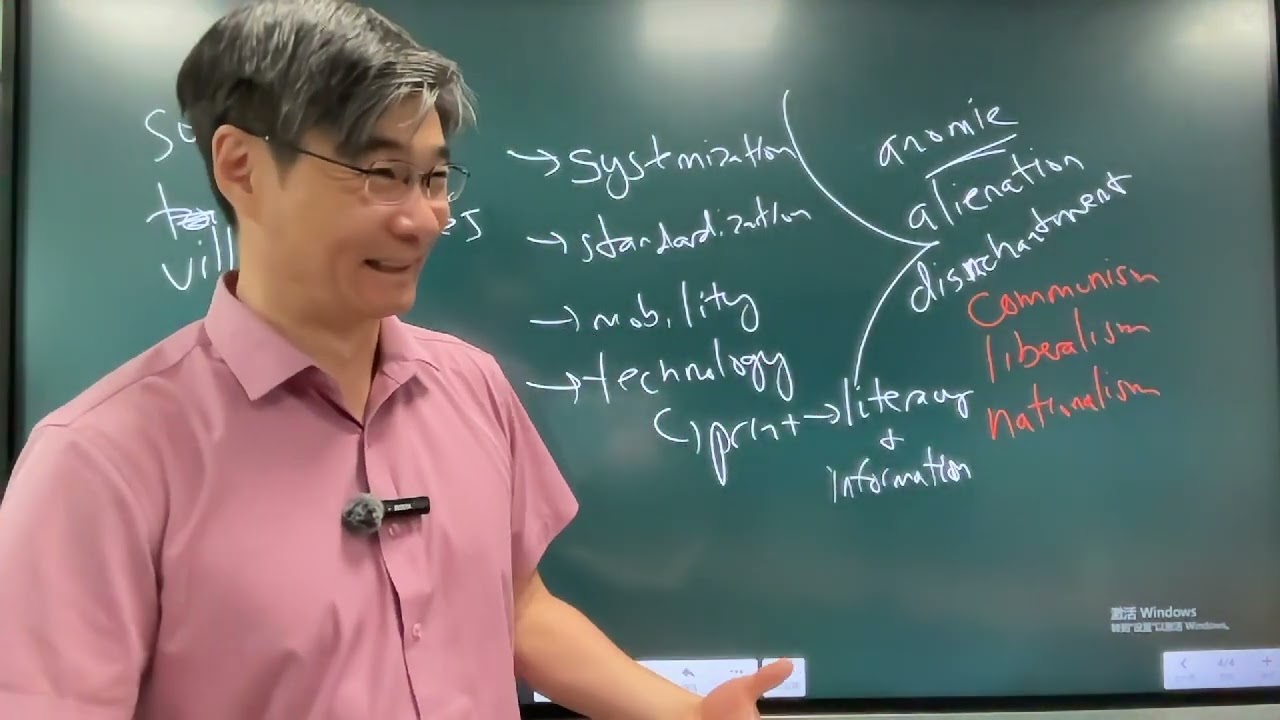
Civilization #58: Birth of the Nation-State
Nationalism is the main cause of World War One. How and why did it originate?
-
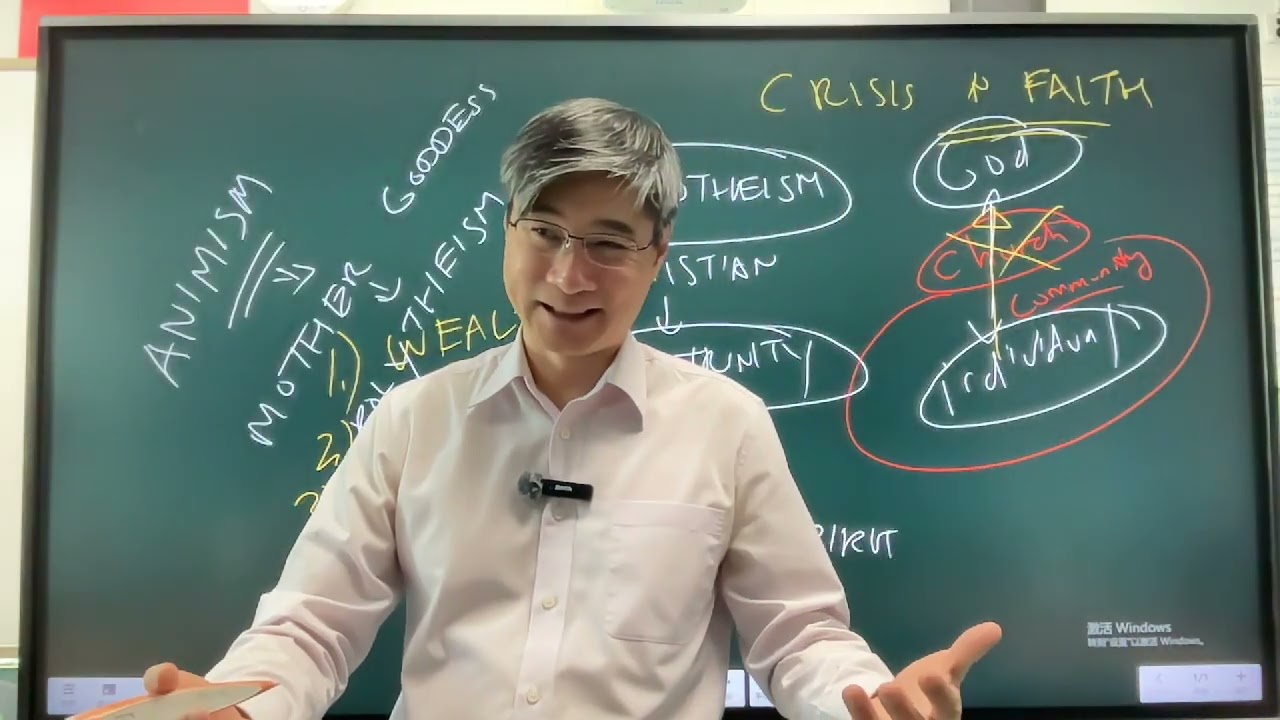
Civilization #57: How Modernism Ruined Everything
Freud proposed the theory of the Oedipal Complex. Where did he get the idea? Why did it become so popular?
-
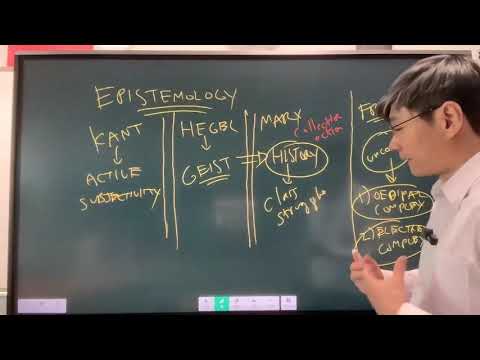
Civilization #57: How Modernism Ruined Everything (Re-upload AUDIO FIXED -- Thanks to Gabriel Bessa)
(This is a re-upload, which fixed the audio. Much thanks to Gabriel Bessa for volunteering to fix the issue -- I can't thank him enough.)
-
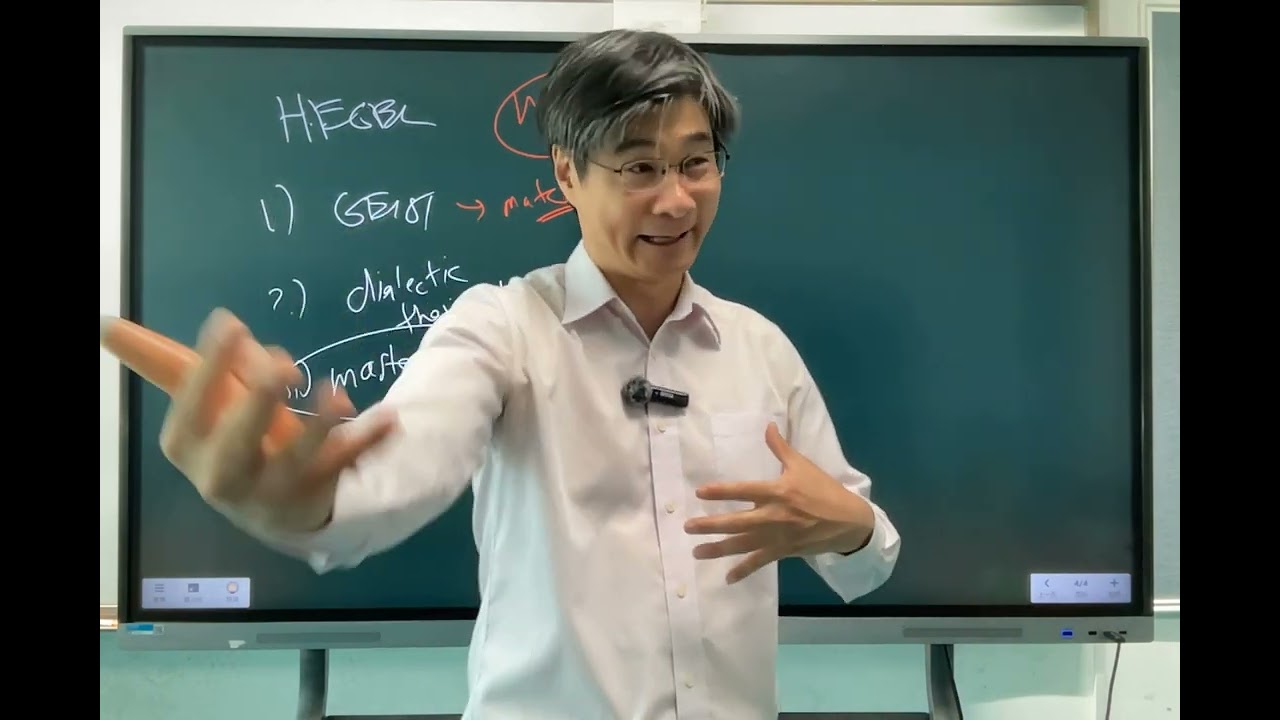
Civilization #56: What Marx Got Wrong
Why was Karl Marx -- who believed that industrial capitalism would evolve into a worker's paradise -- wrong?
-
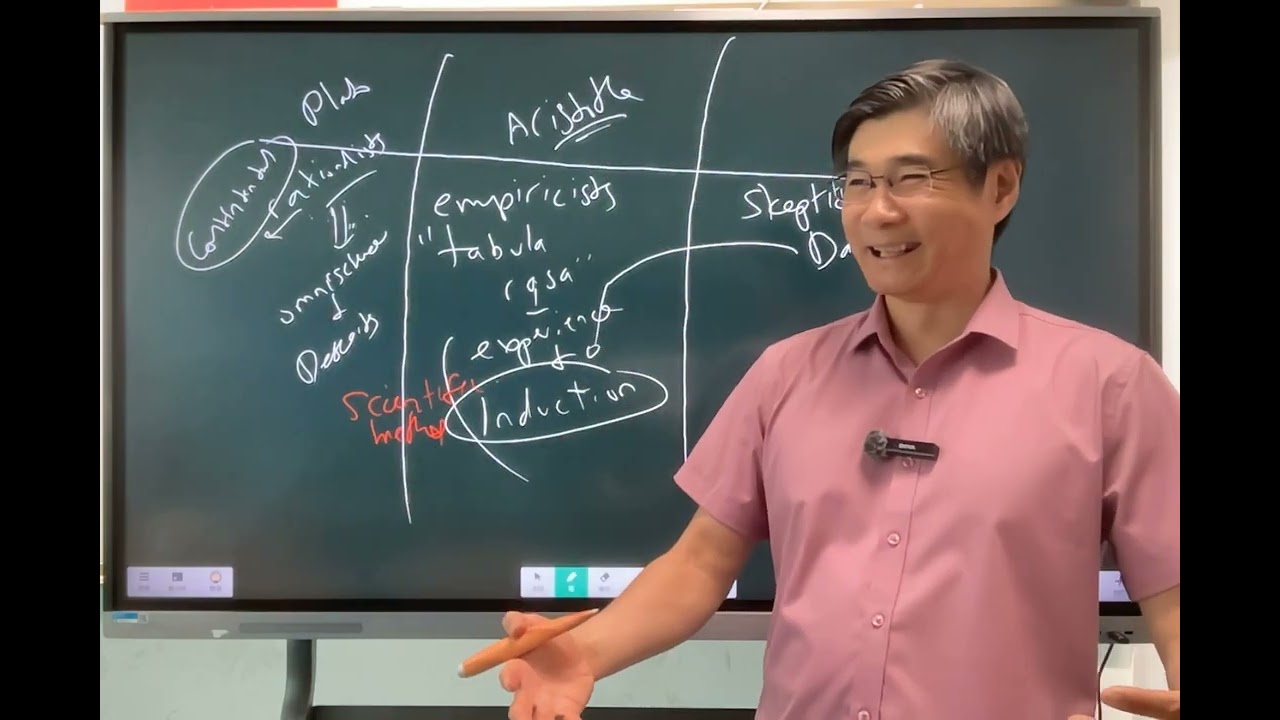
Civilization #55: Kant, Hegel, and the Theory of Everything
What is the legacy of Immanuel Kant, considered our greatest philosopher?
-
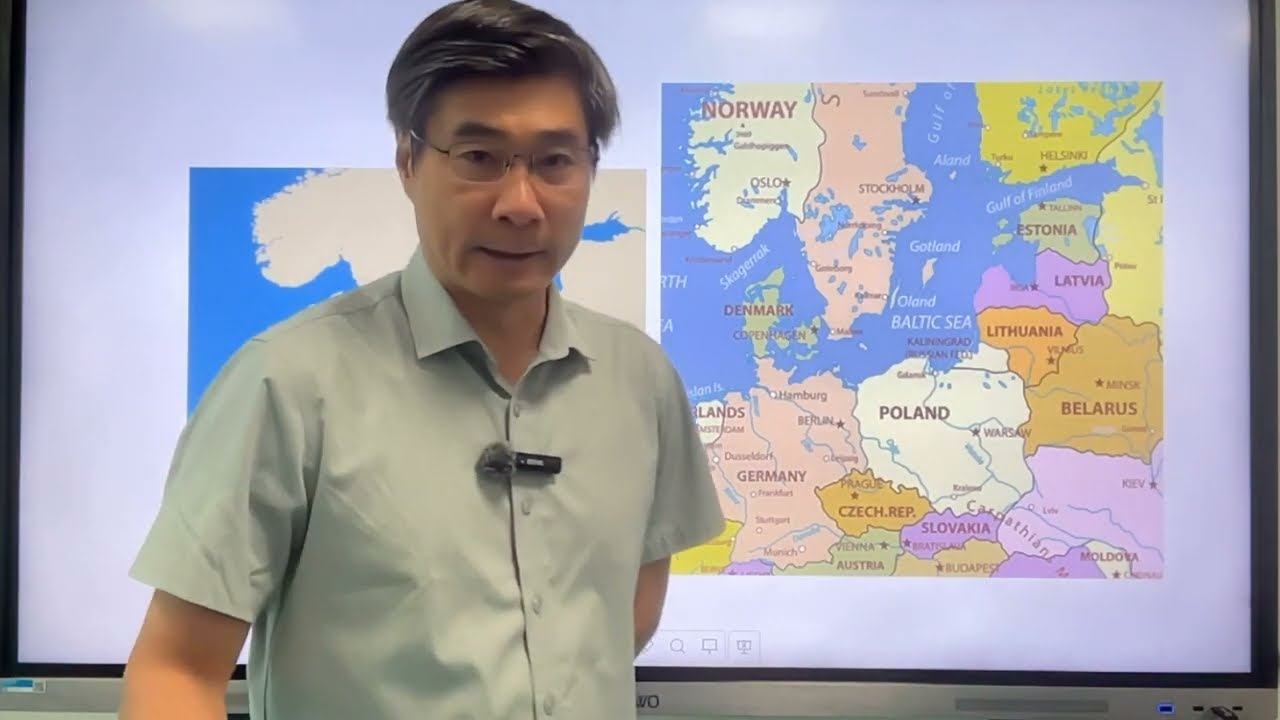
Civilization #54: The German Will to Power
What explains the rise of Adolf Hitler?
-
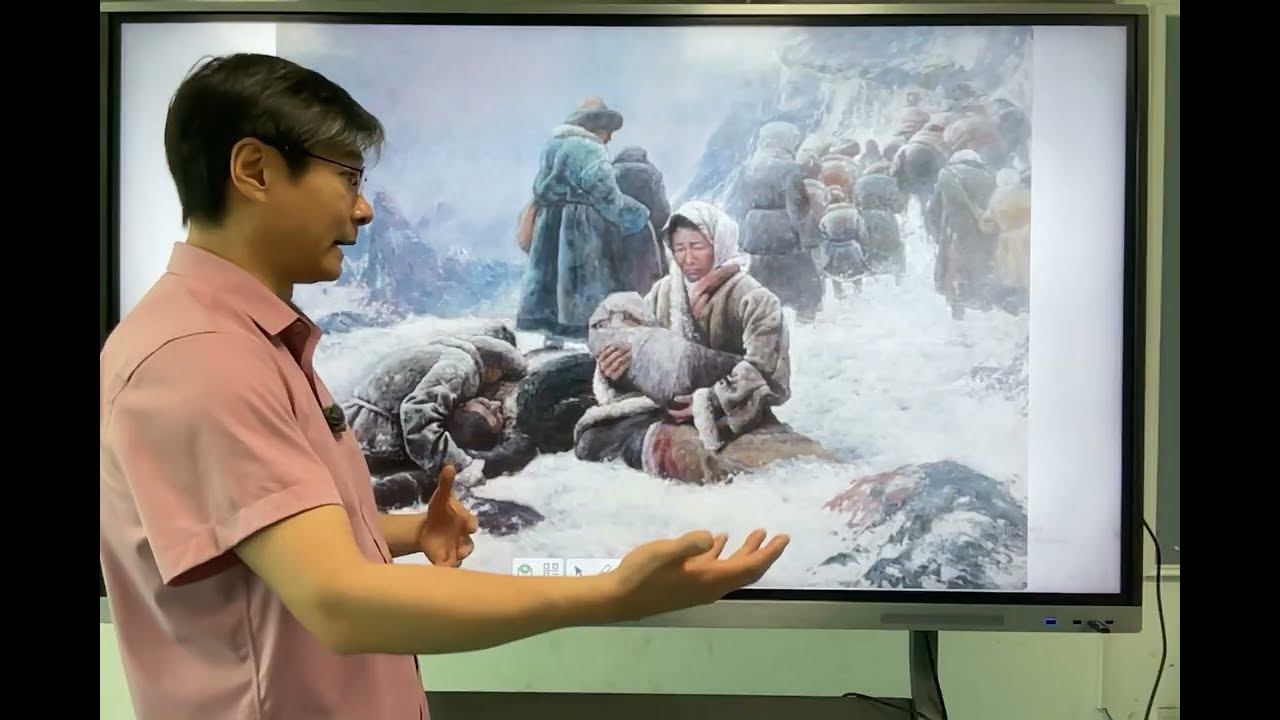
Civilization #53: Dostoevsky and the Soul of Russia
Why did Putin invade Ukraine?
-
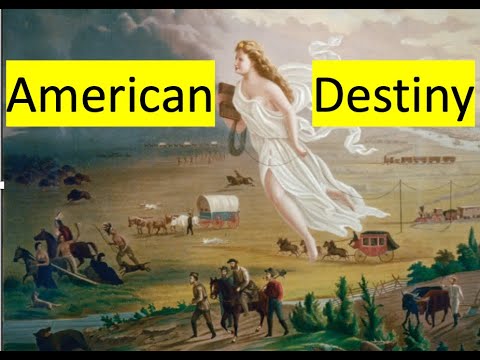
Civilization #52: Empire of Democracy
Oscar Wilde once quipped: "America is the only country that went from barbarism to decadence without civilisation in between."
-
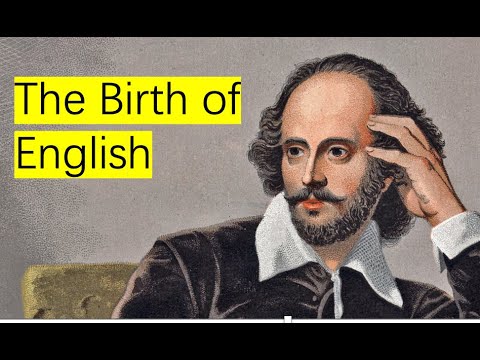
Civilization #51: Shakespeare's Language of Empire
How did Shakespeare father the British empire?
-

Civilization #50: Rule, Britannia!
How did England -- a poor and divided island -- become the world's greatest empire?
-

Civilization #49: The Dutch Golden Age and the Rise of the Middle Class
In this talk to his Chinese high school students, Jiang Xueqin explains how the Dutch Golden Age gave birth to the Middle Class.
-

Civilization #48: Napoleon's Empire of Myth
How did a young Corsican become Emperor of France in 1804?
-
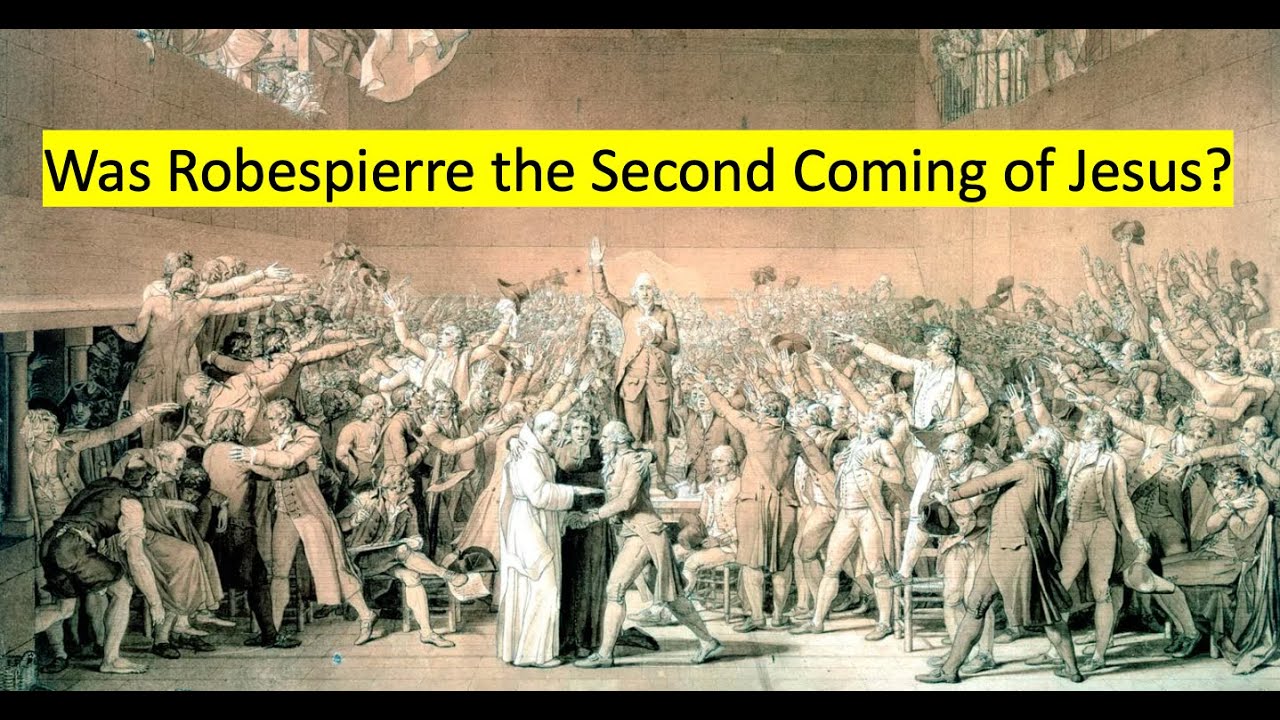
Civilization #47: The Passion of Robespierre
The French Revolution allowed for the meteoric rise of an idealistic provincial lawyer. During the Reign of Terror, Robespierre could have been king, but ultimately fell to the guillotine, like thousands of his victims. What explains his spectacular rise and fall?
-
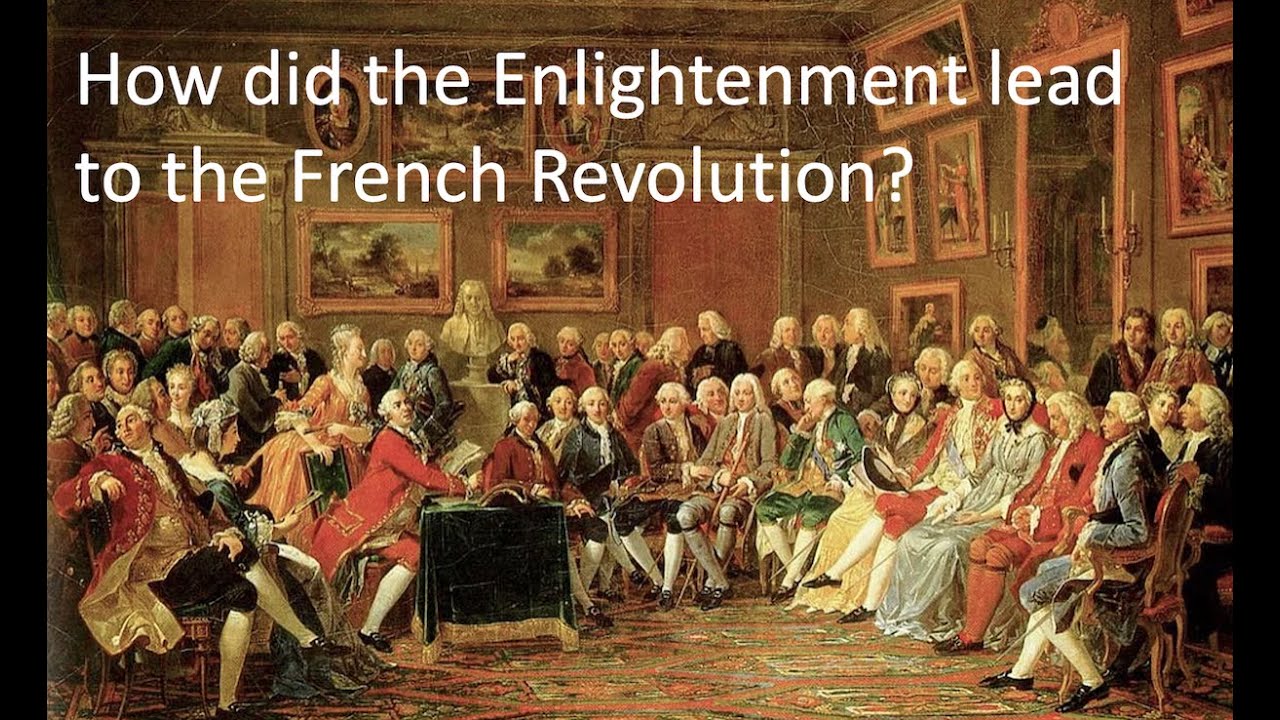
Civilization #46: The Revolution of Reason
This video begins a three-part series on the French Revolution.
-
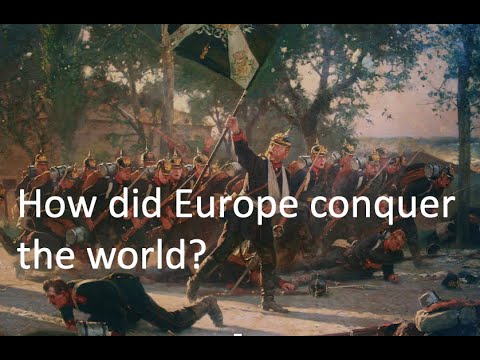
Civilization #45: The Gunpowder Revolution
The Ottomans, Safavids, Mughals, and Chinese were the first four gunpowder empires. So how did Europe come to conquer the world?
-
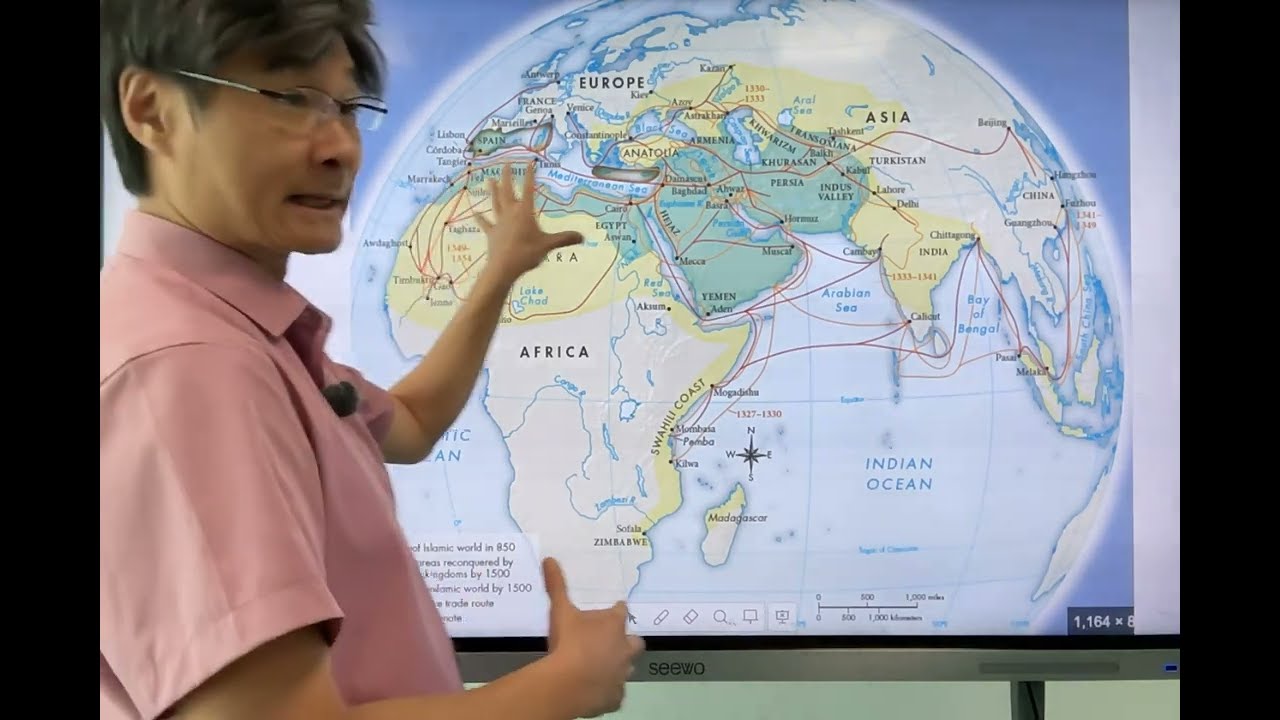
Civilization #44: The Spanish Conquest of the New World
How did a few thousand Spanish Conquistadors subdue and conquer millions of Aztecs, Incas, and Mayans.
-
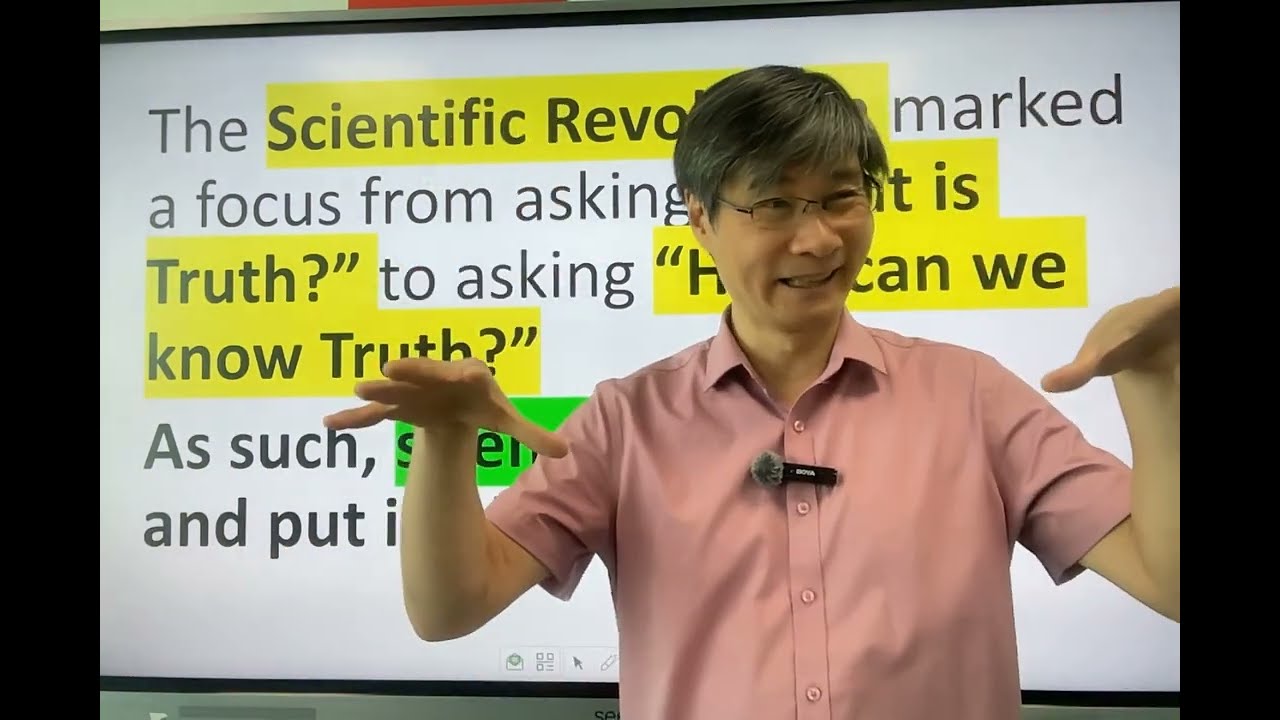
Civilization #43: The Structure of Scientific Revolutions
What is the Scientific Revolution, and how did it happen? Why did it happen in Europe, and not anywhere else?
-
Civilization #42: The Protestant Reformation and the Birth of Capitalism
In this talk to his Chinese high school students, Jiang Xueqin explains how the Protestant Reformation birthed capitalism.
-
Civilization #41: Dante's Quiet Revolution
The Renaissance was a re-imagining of Classical Greece in a Christian European context, a spirit that would birth modernity.
-
Civilization #40: Church and Empire
What were the Crusades? Why did they start? Why did they end?
-
Civilization #39: Genghis Khan, World Shatterer
Genghis Khan is considered the world's greatest conquerer. Why was he so successful?
-
Civilization #38: Twilight of the Middle Kingdom
Why did China stop being creative after the Song dynasty (960-1279 CE)?
-
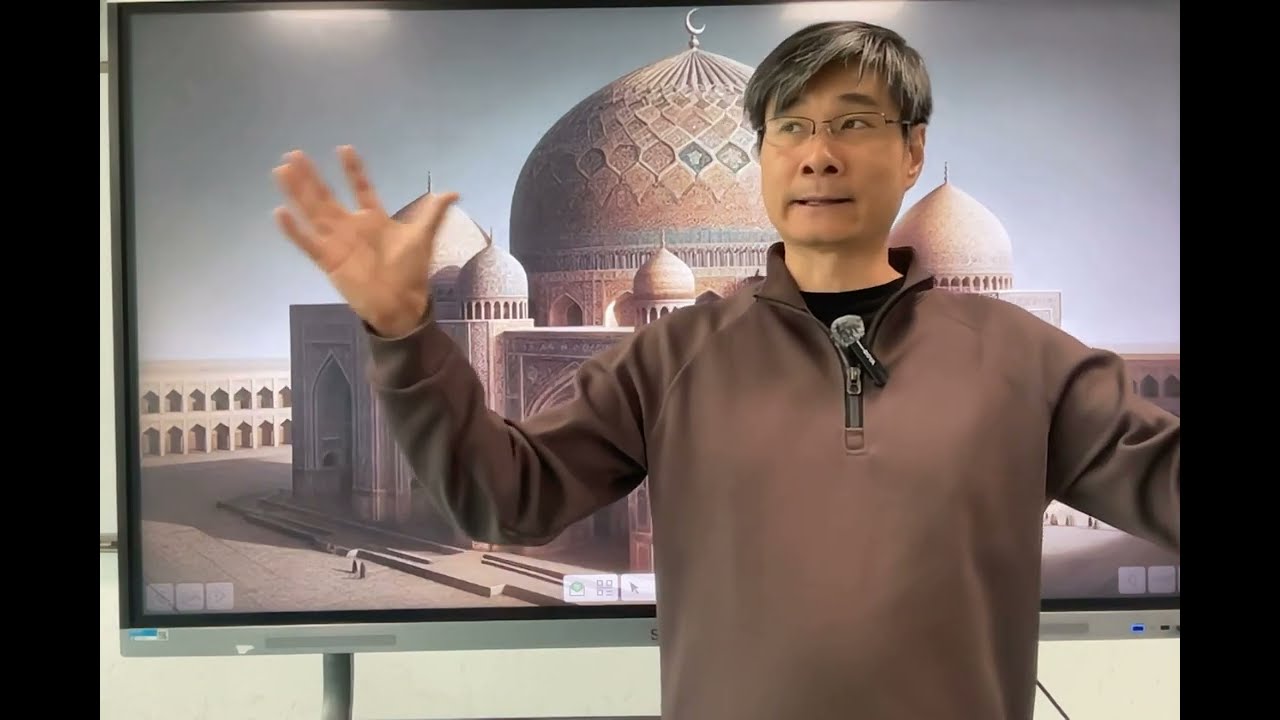
Civilization #37: The Golden Age of Islam
The Abbasid Caliphate was considered the Golden Age of Islam. Before the Mongolian conquest, the House of Wisdom in Baghdad was the global center of learning and literacy. Muslim scientists and mathematicians were respected and influential even in Europe.
-
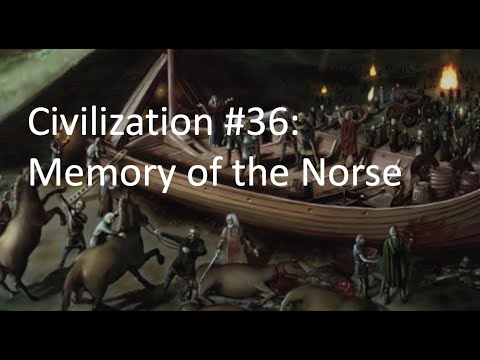
Civilization #36: Memory of the Norse
What was the Viking worldview? What was their value system? Why did they venture out into the world?
-
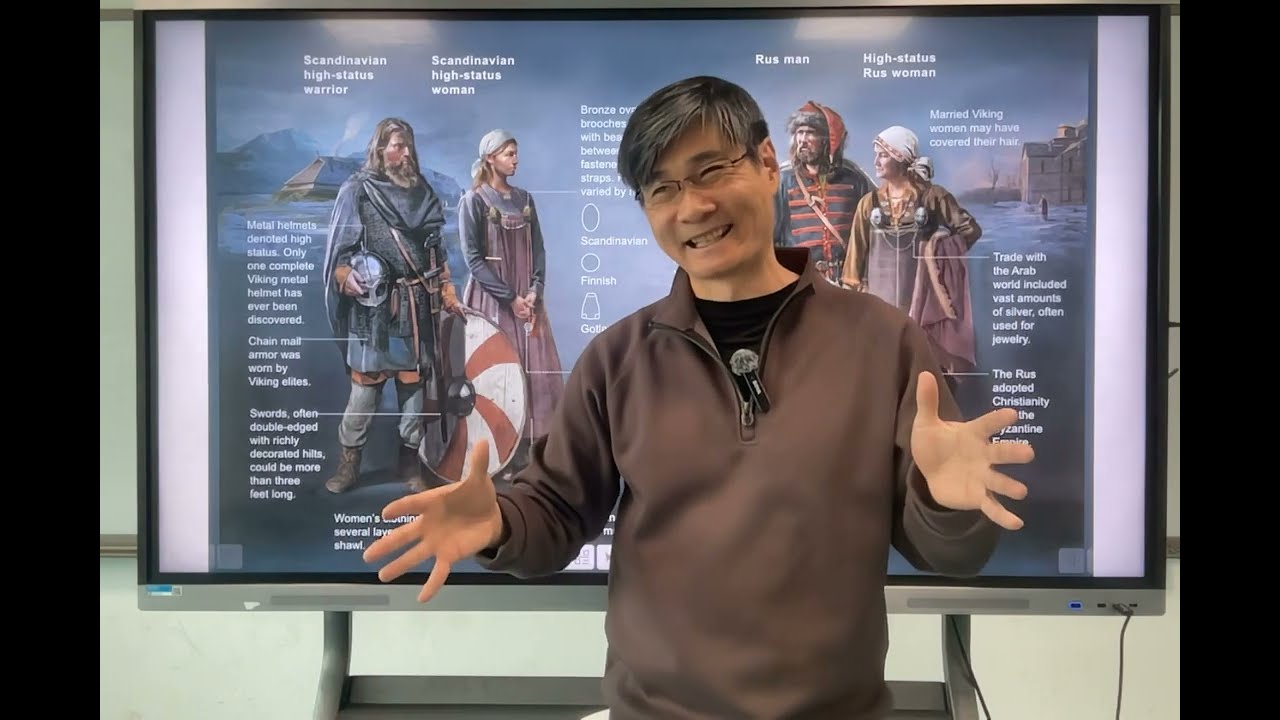
Civilization #35: The Viking Legacy
We have understood Western civilization to be composed of four major traditions -- that of the Greeks, Romans, Jews, and Christians.
-
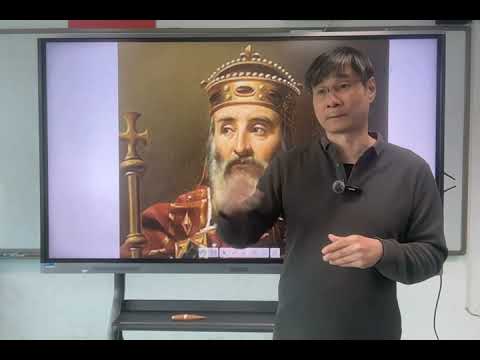
Civilization #34: The Useful Fiction of the Holy Roman Empire
Voltaire once wrote: "The Holy Roman Empire was in no way holy, nor Roman, nor an empire.”
-
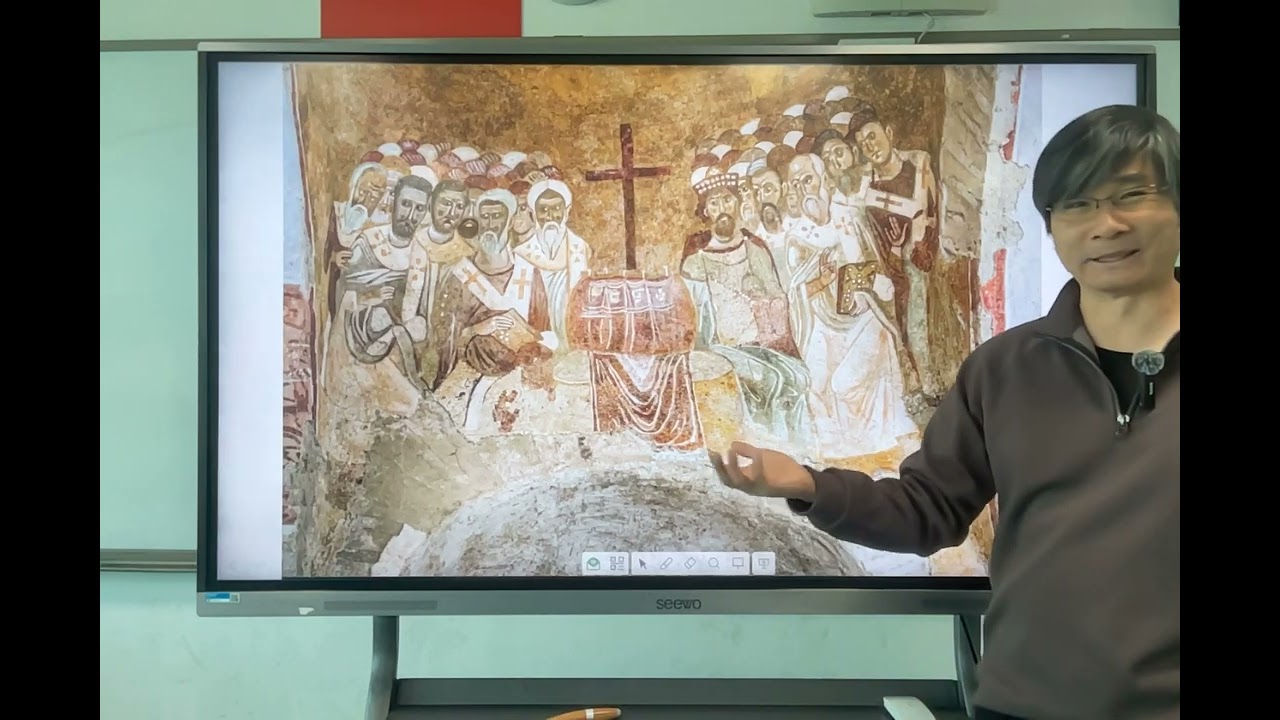
Civilization #33: The Rise and Fall of the Byzantine Empire
The Byzantine empire saw itself as the continuation of the Roman empire.
-
Civilization #32: Rome's Rise, Fall, and Legacy
How was Rome able to defeat all its powerful enemies in the Mediterranean world? Why did Rome decline and fall? What is Rome's influence on the world today? What lessons can we learn from it?
-
Civilization #31: The Oceanic Currents of History
Traditionally, we have understood historical movement as either a line or a circle. We are either progressing towards the truth, or trapped in an endless loop. In this talk to his Chinese high school students, Jiang Xueqin proposes a new theory, which he calls "the oceanic currents of history."
-
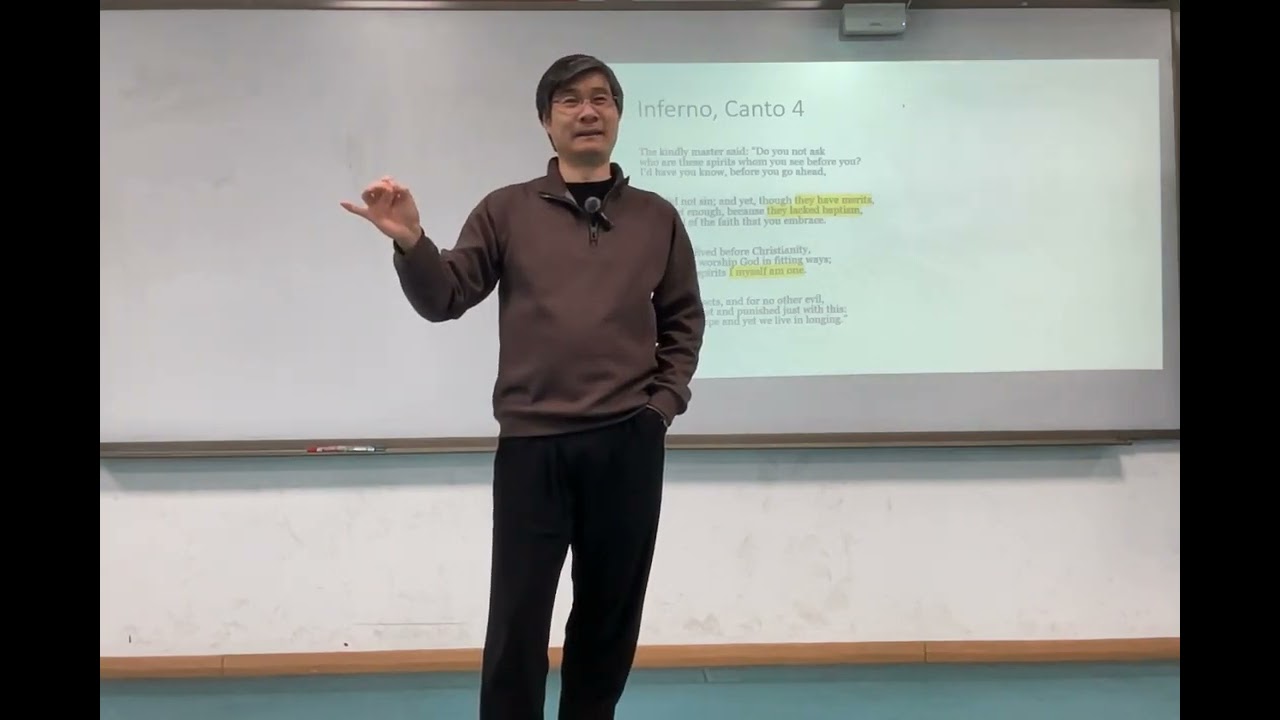
Civilization #30: Dante as the Second Coming of Homer
In this final talk of the semester to his Chinese high school students, Jiang Xueqin explains the enduring influence of Dante.
-
Civilization #29: Dante's Divine Comedy and the Liberation of the Human Imagination
In this talk to his Chinese high school students, Jiang Xueqin explains that Dante's Divine Comedy was the intellectual blueprint for the Renaissance, the Protestant Reformation, and the Scientific Revolution.
-
Civilization #28: Muhammad's Revolution of God
Who was the historical Muhammad? How did Islam triumph over both the Byzantine and Sasanian empires?
-
Civilization #27: Augustine's Empire of God
In this talk to his Chinese high school students, Jiang Xueqin explains why Europe experienced the Dark Ages.
-
Civilization #26: Constantine's Monotheistic Revolution
In this lecture to his Chinese high school students, Jiang Xueqin argues that the idea of monotheism launched modernity.
-
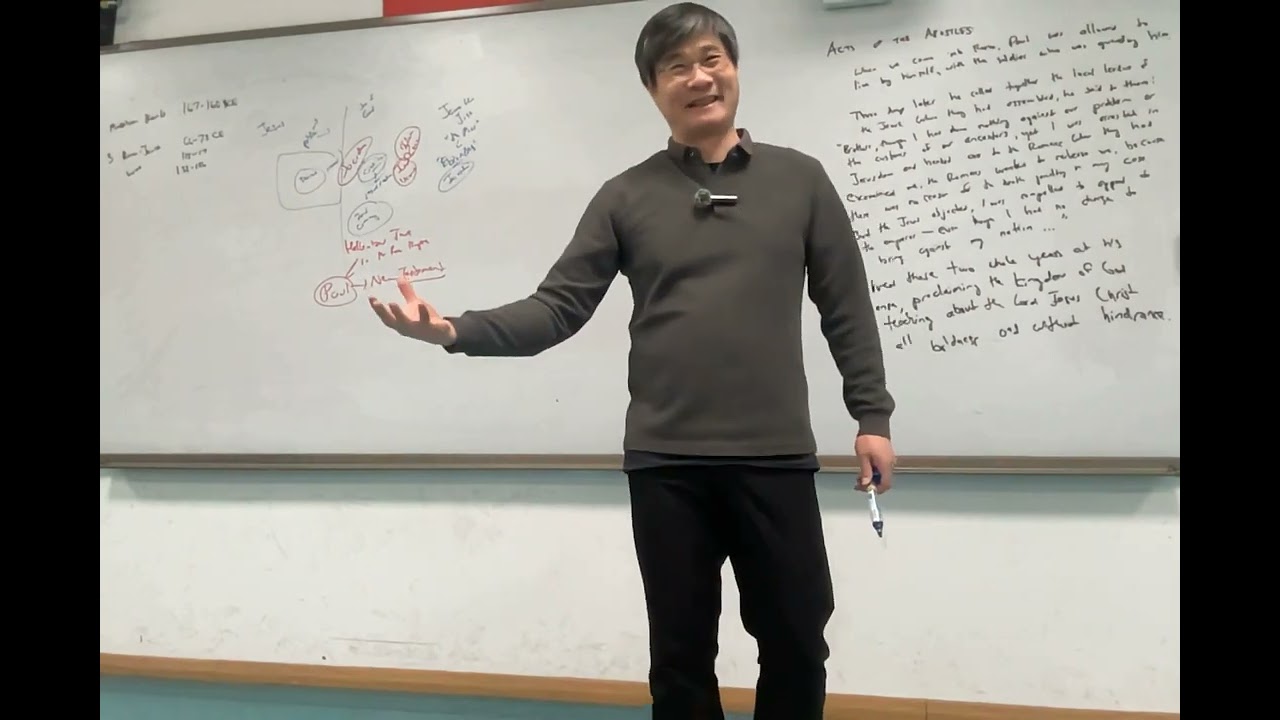
Civilization #25: Paul of Tarsus, Messiah of Rome
Why are the teachings of Jesus and his apostle Paul so different? Jesus preached compassion and mercy towards all, while Paul preached that Jesus was the son of God who atoned for our sins with his sacrifice.
-
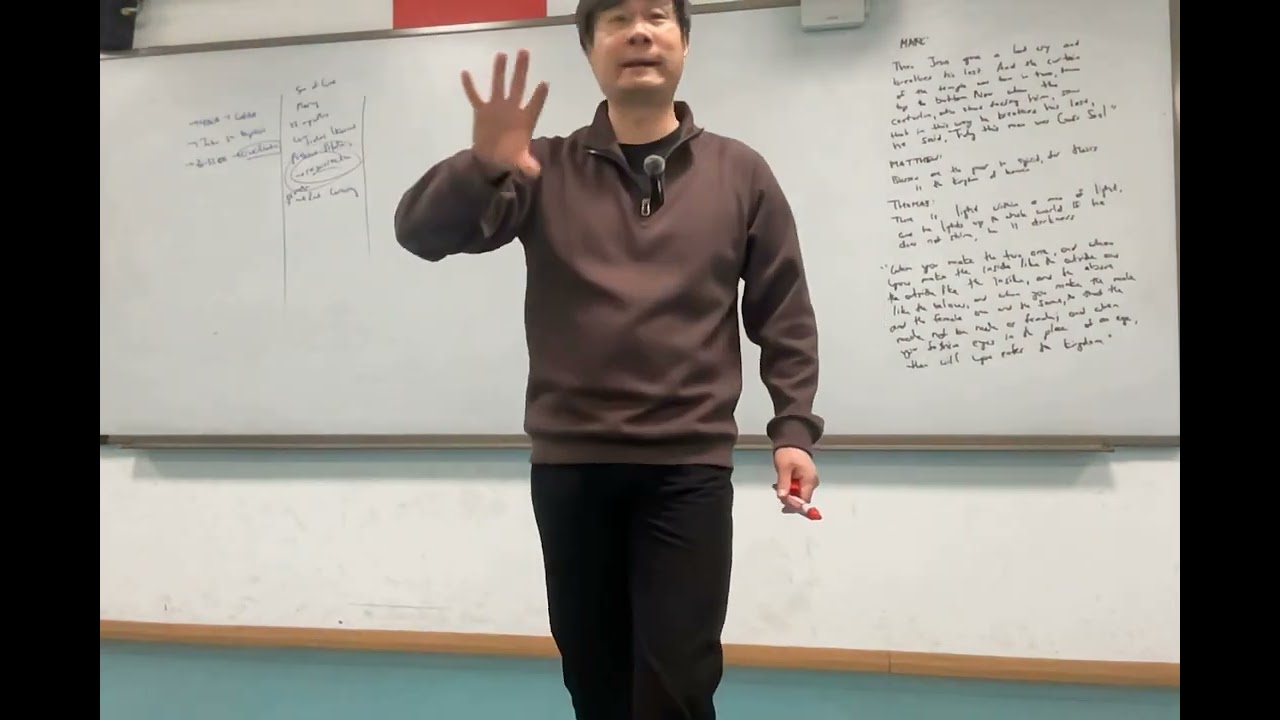
Civilization #24: Resurrecting the Gnostic Jesus
Who was the historical Jesus, and what did he believe?
-
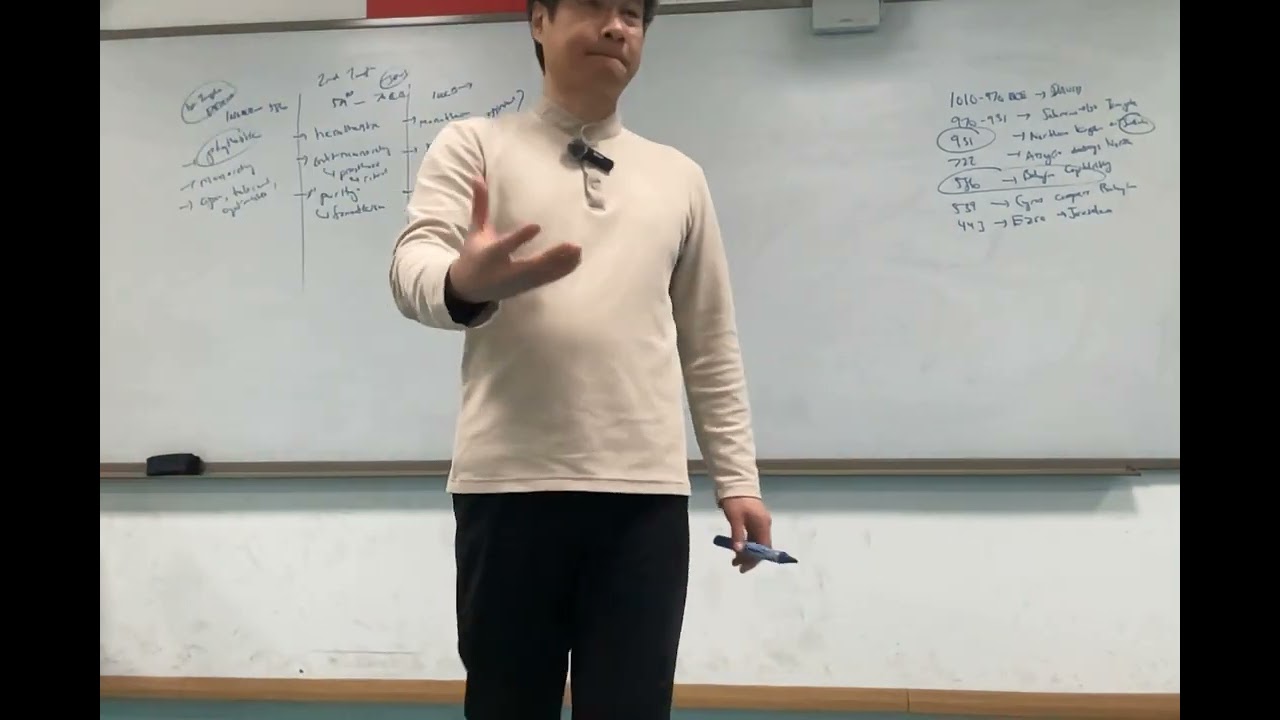
Civilization #23: Cyrus the Great as Messiah
In this talk to his Chinese high school students, Jiang Xueqin explains the influence of Zoroastrianism on the development of the Hebrew Bible.
-
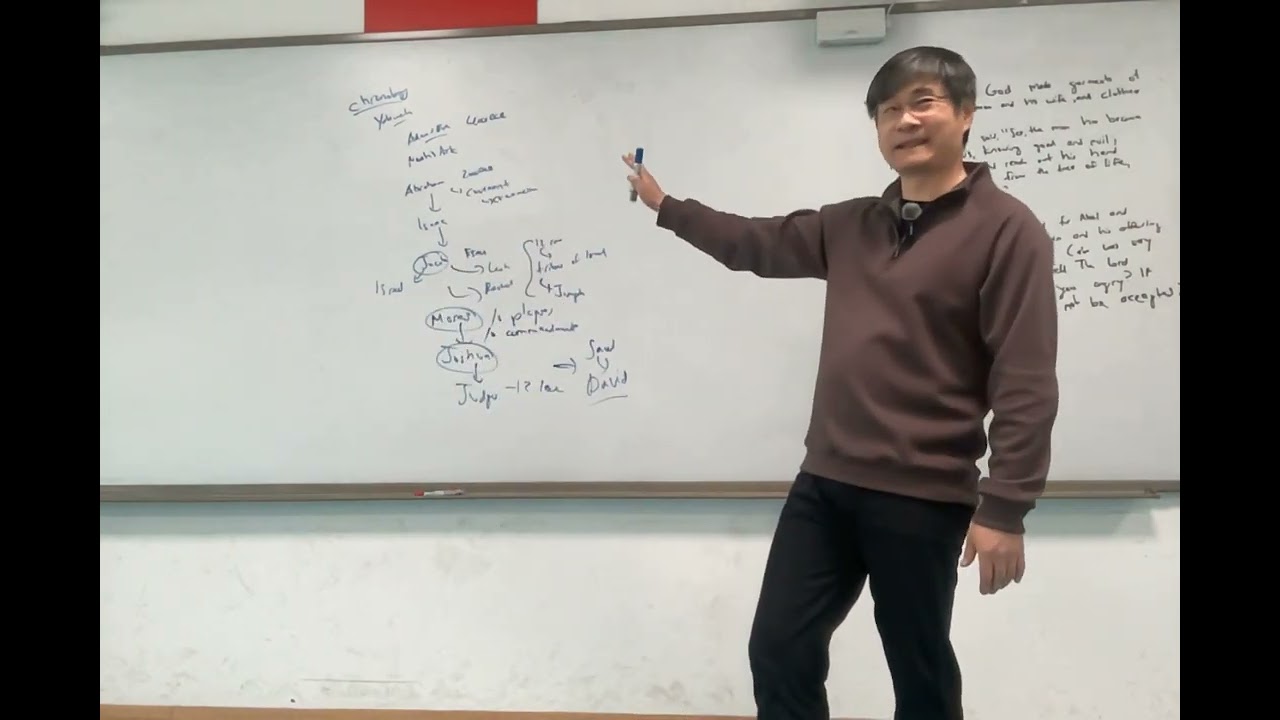
Civilization #22: The Literary Genesis of the Yahwist
In this lecture to his Chinese high school students, Jiang Xueqin explains the power and beauty of the Book of Genesis.
-
Civilization #21: The Apology of King David of Israel
Who wrote the Bible, and why?
-
Civilization #20: The Proto-Buddhists of the Indus Valley (Harappan) Civilization
Egypt, Mesopotamia, and the Indus Valley were the three great civilizations of the Bronze Age. What made the Indus Valley Civilization distinct? Why did they decline? What is their legacy?
-
Civilization #19: Gilgamesh and Mesopotamia's Quest for Immortality
In this lecture to his Chinese high school students, Jiang Xueqin explains why Mesopotamia became the cradle of civilization.
-
Civilization #18: The Great Pyramid as Ancient Egypt's Manhattan Project
For thousands of years, the Great Pyramid of Giza has captivated and captured the imagination of the world. Why was it built?
-
Civilization #17: Homer, Vergil, and the War for the Soul of Rome
In this talk to Chinese high school students Jiang Xueqin explains why Vergil's "The Aeneid" is such brilliant propaganda.
-
Civilization #16: Julius Caesar's Will and Octavian's Birth of Empire
In 44 BCE, an eighteen-year old Octavian arrived in Rome without an army and without political alliances, and seventeen years later he became Rome’s first emperor. How did he do it?
-
Civilization #15: The Myth-Making Genius of Julius Caesar
In this talk to his Chinese high school students Jiang Xueqin examines the life and times of Julius Caesar. What motivated him? What made him so successful? Why was he assassinated?
-
Civilization #14: Hannibal Barca, Lucius Brutus, and the Triumph of Rome
In 216 BCE, Hannibal Barca of Carthage defeated Rome at the Battle of Cannae. After three devastating defeats to Hannibal, Rome had lost twenty percent of its adult male population, and one-third of its Senate. The Roman Republic chose to continue fighting, and eventually it triumphed in the Se...
-
Civilization #13: Aristotle and the Greek Legacy
Plato and Aristotle are considered the two most influential philosophers of Western antiquity. But there are three central paradoxes surrounding the life and work of Aristotle. He is considered a brilliant thinker, but we do not have any of his original writings. Over two hundred works are att...
-
Civilization #12: The Tyranny of Alexander the Great
We celebrate Alexander the Great as one of the greatest conquerors of history. What motivated him? Was he truly a strategic genius? What is his ultimate legacy?
-
Civilization #11: The Greatness of Philip II of Macedon
In this talk Jiang Xueqin examines how Philip II of Macedon turned his kingdom from a poor and weak nation into the military hegemony that would conquer Persia.
-
Civilization #10: The Trial of Socrates and Plato's Allegory of the Cave
In 399 BCE the Athenian people condemned Socrates to drink hemlock. In this lecture to Chinese high school students, Jiang Xueqin examines the significance and legacy of the trial of Socrates.
-
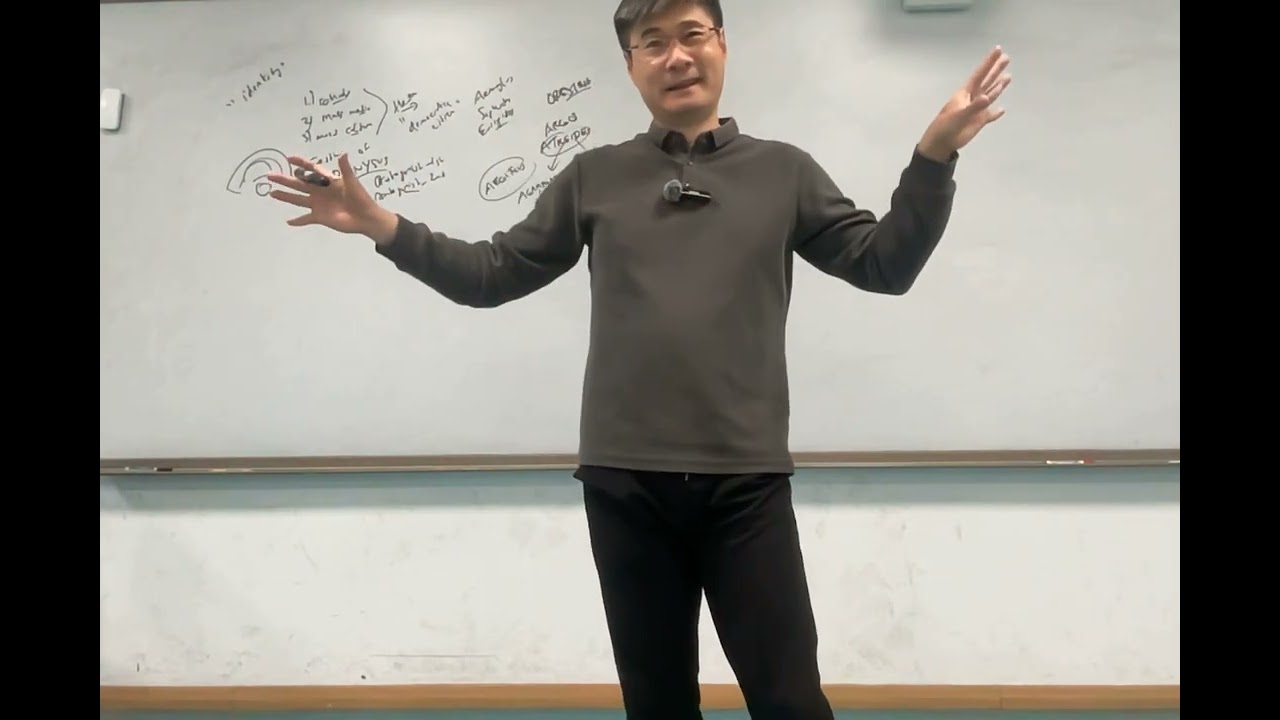
Civilization #9: Aeschylus, Sophocles, and Euripides as Prophets of Democracy
What made Athenian democracy so strong and vibrant? Jiang Xueqin explains that theater taught Athenians how to be democratic citizens.
-
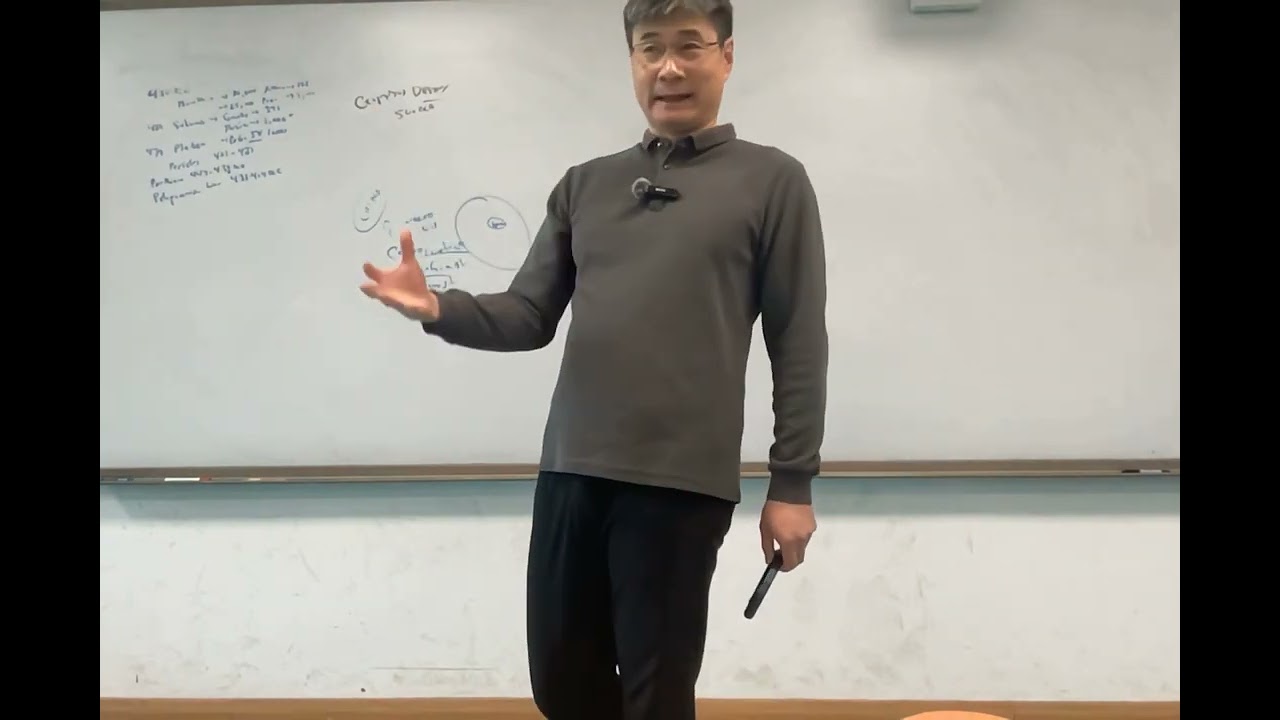
Civilization #8: Rat Utopia and the Peloponnesian War
In his book The Peloponnesian War, Thucydides explains that the war started because Sparta saw Athens as a threat to its hegemony. In this talk Jiang Xueqin argues that the American scientist James Calhoun’s “rat utopia” experiments offer a better explanation.
-
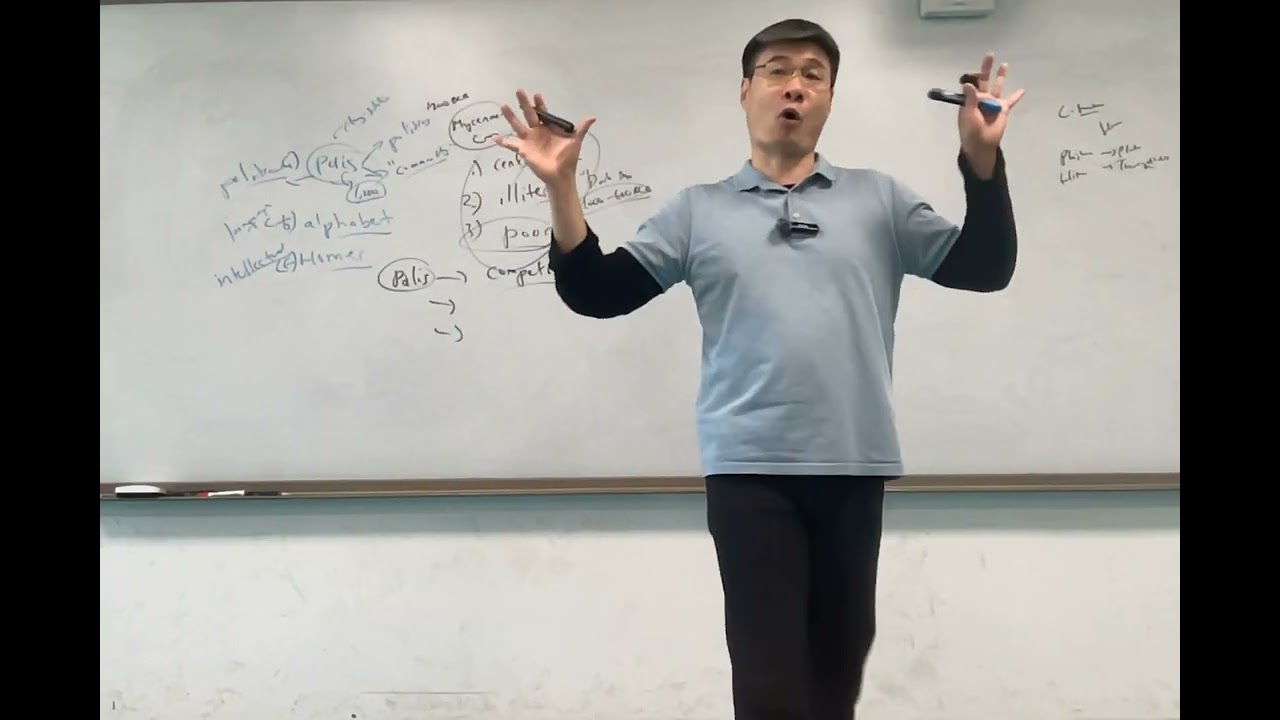
Civilization #7: Homer's Iliad and the Birth of Greek Civilization
The Greeks were humanity's most creative civilization. Homer's Iliad and Odyssey are timeless classics, Plato's The Republic continues to inspire, and Thucydides are still read by military officers in search of strategic insights.
-
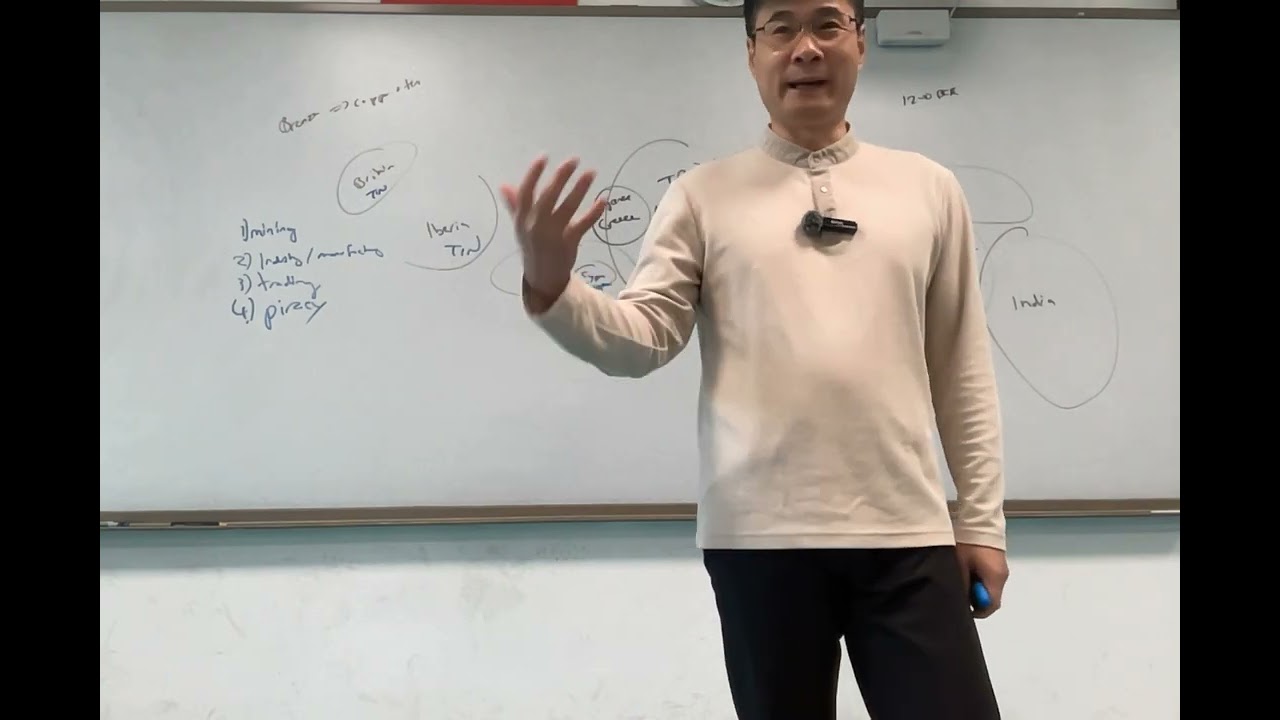
Civilization #6: Elite Overproduction and the Bronze Age Collapse
In this lecture Jiang Xueqin explores with his Chinese students why the Bronze Age collapsed.
-
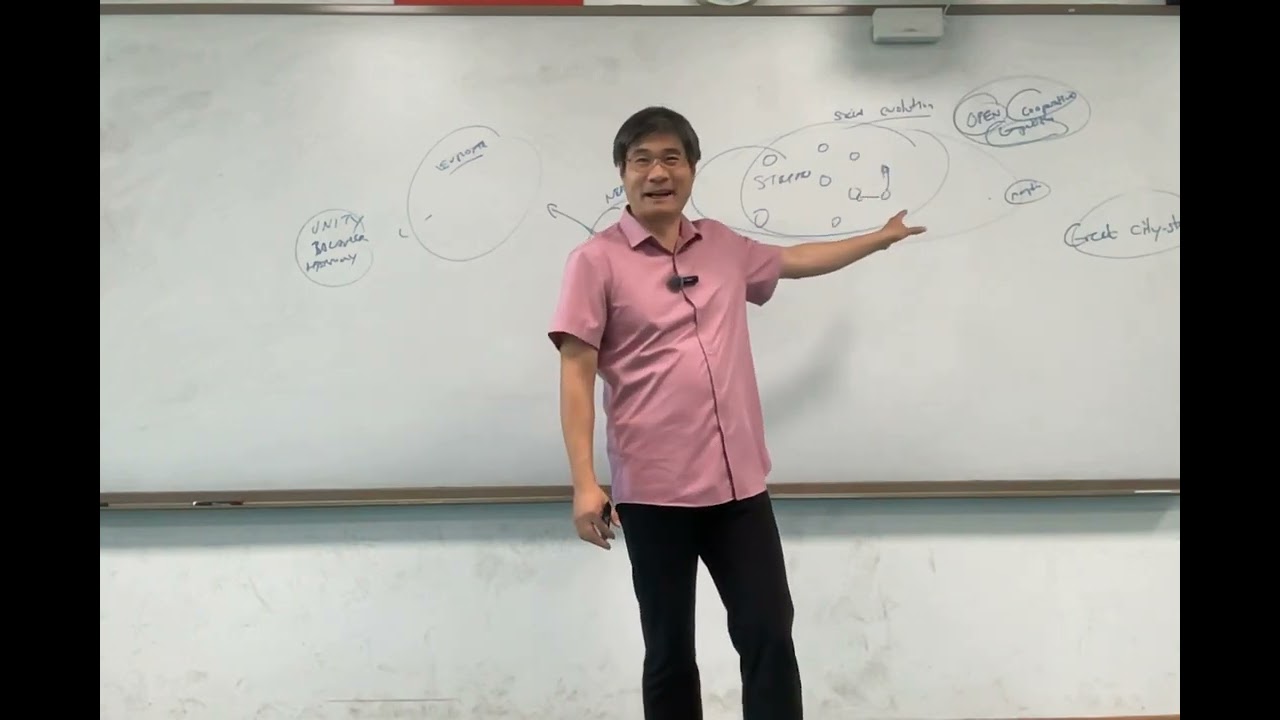
Civilization #5: The Yamnaya Conquest of Europe
Homo sapiens originated in Africa 300,000 years ago, and for the vast majority of our history we were egalitarian, peaceful, and artistic. So where did concepts of patriarchy, war, and private property come from?
-
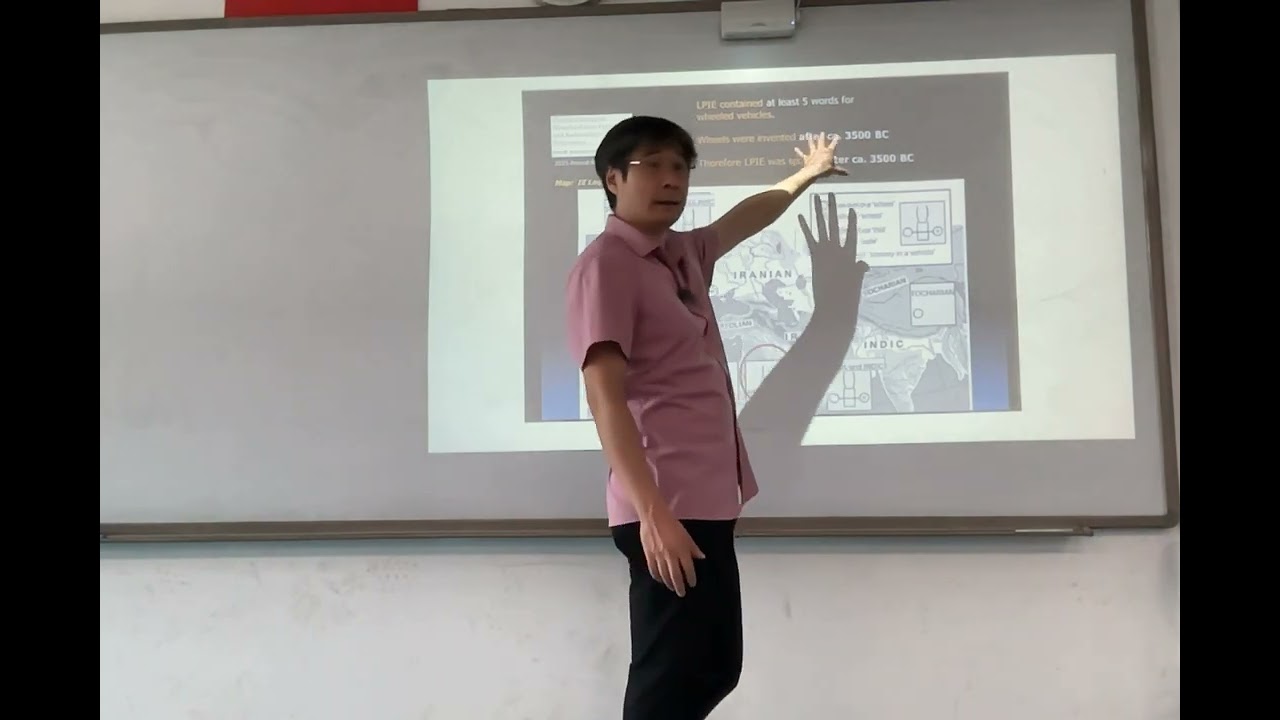
Civilization #4: The Paradise Lost of Marija Gimbutas
For centuries, linguists have believed that most European languages have so many similarities that they must have originated from a mother language, which is referred to as "Proto-Indo-European." Decades of work in linguistics have confirmed the existence of this language. But how did this lang...
-
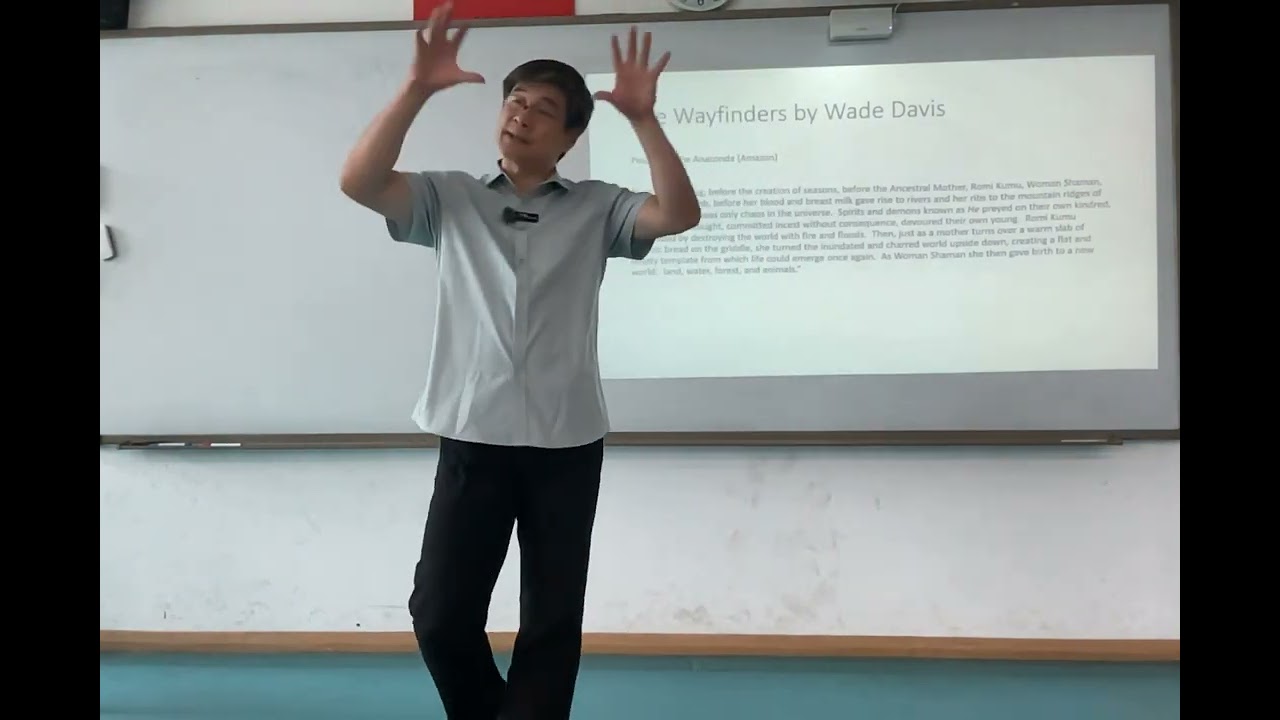
Civilization #3: The Religious Imagination
Jiang Xueqin examines two case studies that highlight the power of religion.
-
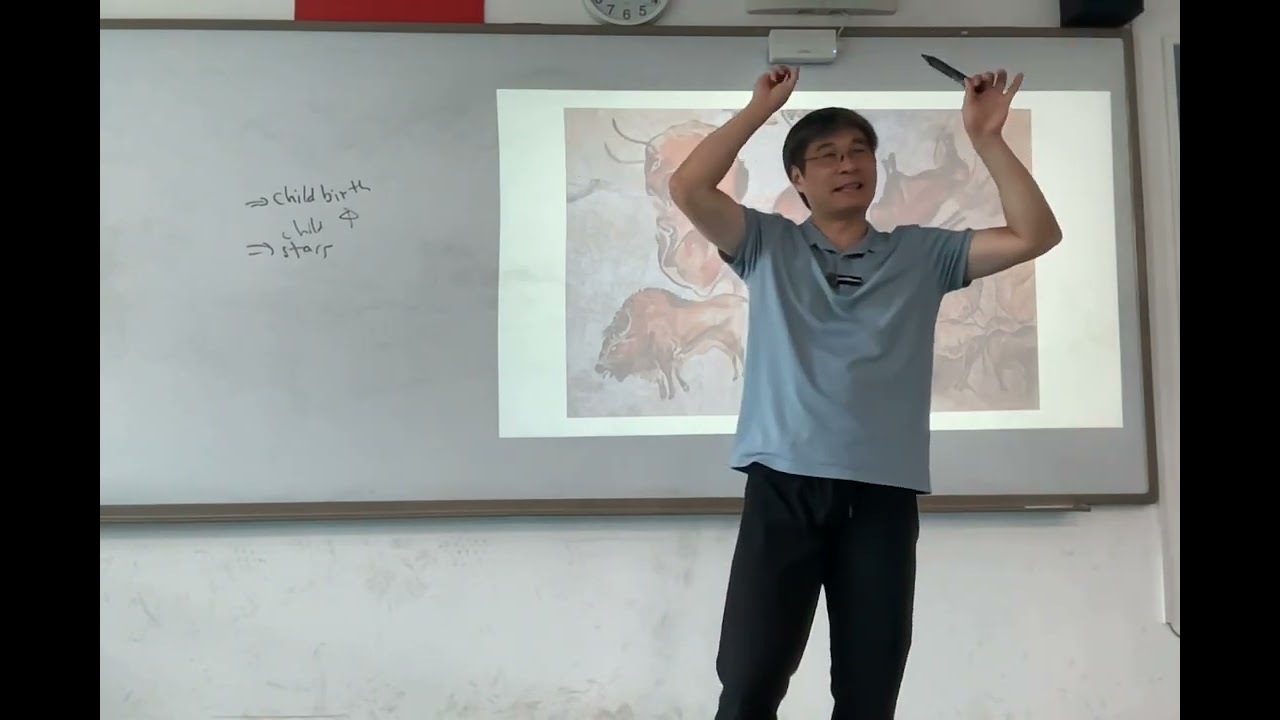
Civilization #2: Religion and the Dawn of Society
The great French sociologist Emile Durkheim once wrote: “Religion is above all a system of ideas by which men imagine the society of which they are members and the obscure yet intimate relations they have with it.”
-
Civilization #1: Explaining Humanity's Transition to Agriculture
In this first lecture, Jiang Xueqin explains to his Chinese high school students why humans adopted agriculture.
-
Geo-Strategy END: Psychohistory (The Science of Imagining the Future)
In his June 13, 2024 class, Jiang Xueqin concludes his Geo-Strategy course by discussing how to use AI to chart a better future for humanity:
-
Geo-Strategy #11: The Second American Civil War
In his June 7, 2024 class, Jiang Xueqin explores how and why America would fight a second Civil War:
-
Geo-Strategy #10: Putin's Strategic Imagination
In his June 5, 2024 class Jiang Xueqin explains Putin's strategic genius:
-
Geo-Strategy #9: Putin's War for the Soul of Russia
In his May 31, 2024 class, Jiang Xueqin explains why Putin is preparing to mobilize Russian society for total war:
-
Geo-Strategy #8: The Iran Trap
In his May 29, 2024 class, Jiang Xueqin explains that an American invasion of Iran would be a catastrophic mistake:
-
Geo-Strategy #7: Who Killed Iranian President Ebrahim Raisi?
In his May 24, 2024 class Jiang Xueqin examines if Iran President Ebrahim Raisi's death was an accident or an assassination:
-
Geo-Strategy #6: America's Imperial Hubris
In his Wednesday, May 22 class, Jiang Xueqin explains to his Chinese high school students the strengths and weaknesses of the American military doctrine "Shock and Awe":
-
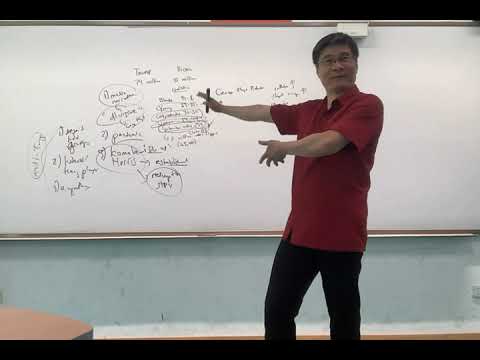
Geo-Strategy #5: Why Trump Will Win (And Pick Nikki Haley as VP)
In his Friday, May 17, 2024 class, Jiang Xueqin explores who will win the US Presidential election in November:
-
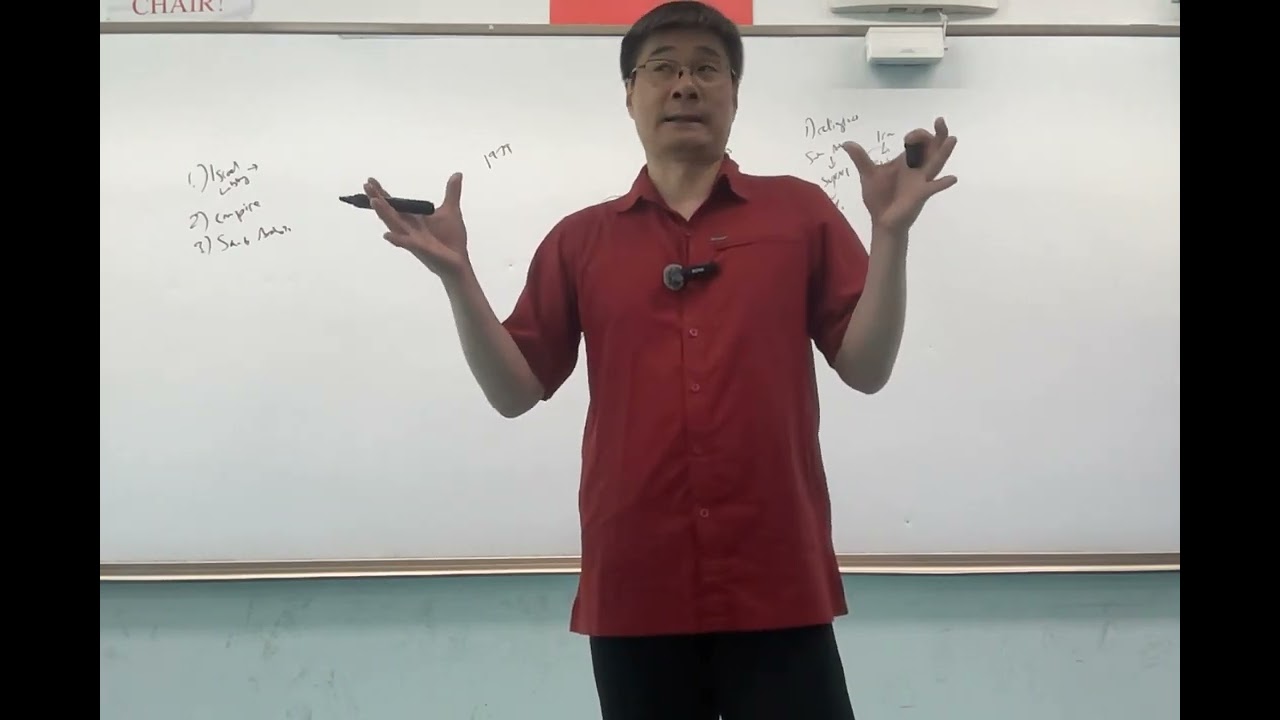
Geo-Strategy #4: Saudi Arabia's Trump Card Against Iran
In his May 15, 2024 class Jiang Xueqin explains to his Chinese high school students the rivalry between Iran and Saudi Arabia:
-
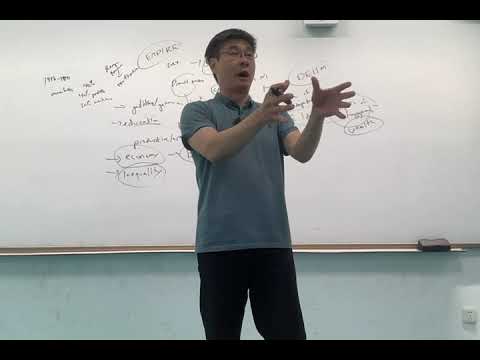
Geo-Strategy #3: How Empire is Destroying America
In his May 5, 2024 class, Jiang Xueqin explains to his Chinese high school students how empire is eroding the stability and vitality of the American Republic:
-
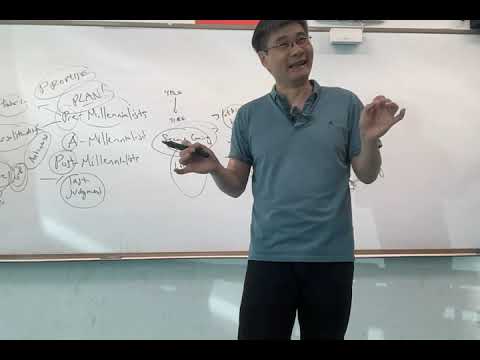
Geo-Strategy#2: Christian Zionism and the Middle East Conflict
In his April 30, 2024 class, Jiang explains the origins and thinking of Christian Zionism, and how it is driving conflict in the Middle East.
-
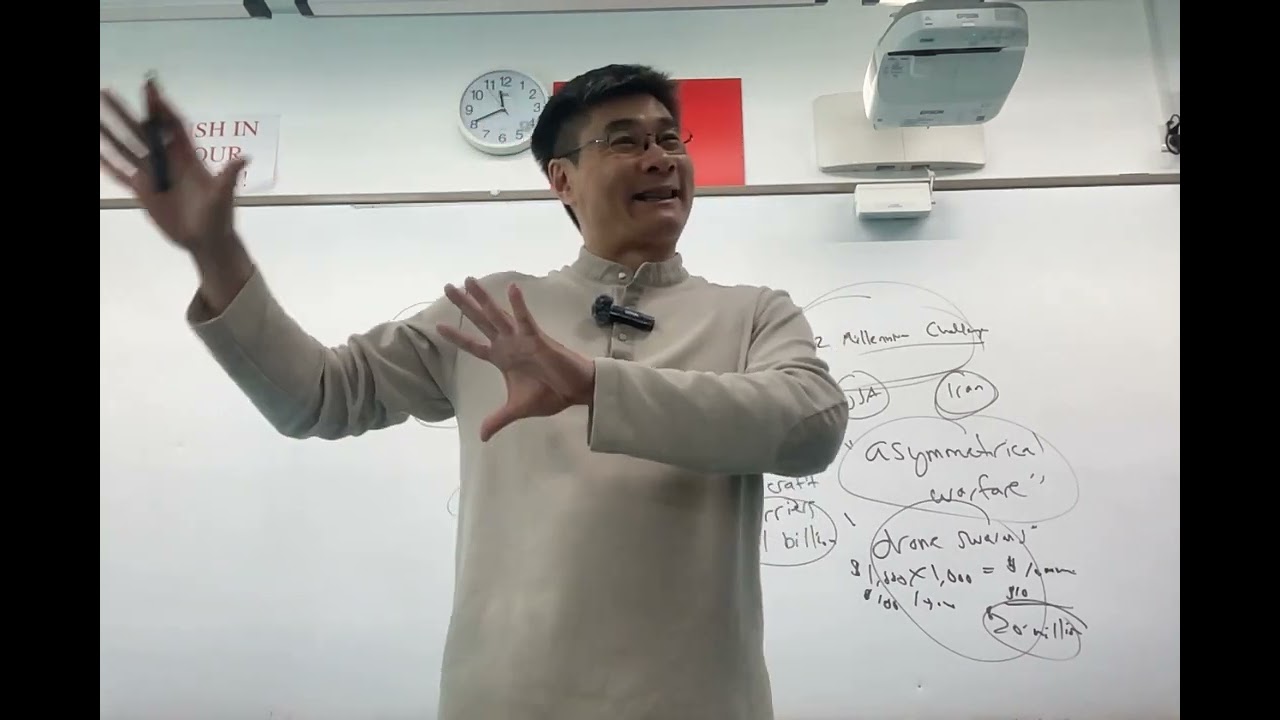
Geo-Strategy #1: Iran's Strategy Matrix
On April 24, 2024, Jiang Xueqin explains to his Chinese high school students Iran's geo-political strategy. Because the United States has military dominance, Iran must conduct asymmetrical warfare, and ask four questions with all its actions:
-
Jiang Xueqin Teaching Gay Talese Research Method (Introduction)
Gay Talese is the greatest journalist of all time. On May 16, 2023 in Beijing, Jiang Xueqin teaches his Chinese students how Gay Talese became so. He explains the Gay Talese Research Method of EXPLORATION (the pursuit of curiosity) and REFLECTION (the pursuit of perfection). He argues that lit...