-
Justin
- Background and origin story
- He spent a decade in technology, working at a small New York tech firm called Zakdoc, where he rose to report directly to the CEO
- He parlayed that experience into his first executive role at age 33 as VP of Sales at a company with no revenue, growing it to roughly $50 million in recurring revenue over four and a half years
- After 10 years of high anxiety, high stress, board meetings, and aggressive targets, he suffered a severe panic attack on December 16, 2018, which effectively ended his tech career and prompted him to start building his own business on social media
- Business growth and current status
- He runs a one-person business with zero employees, working roughly five hours a day
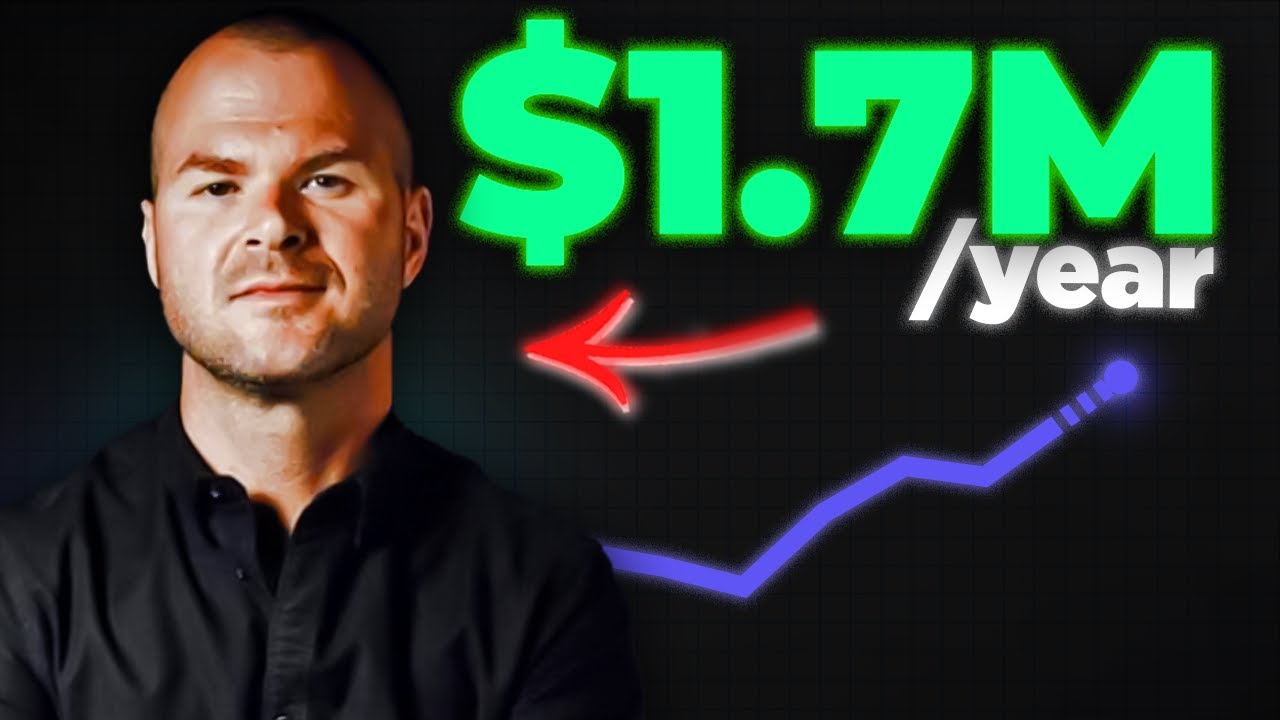
- Last year his business generated about $1.7 million, and he anticipates around $2.5 million this year
- He has built a newsletter approaching 100,000 subscribers and a large following on Twitter and LinkedIn
- Background and origin story
-
Products and Offerings
- Two online courses: one on using LinkedIn effectively to build a business, and one on building a personal content system
- A newsletter approaching 100,000 subscribers, monetized through sponsorships
- A subscription email service that delivers monthly copywriting techniques for writing better social media copy
- He describes himself as a “knowledge entrepreneur”
-
Metrics and Financials
- Annual revenue: approximately $1.7 million last year, projected $2.5 million this year
- Total business operating cost: about $620 per month
- Primary software expense: Kajabi at $399 per month as an all-in-one marketing and website solution
- Additional tools include Testimonial.to, Tapio, Hypefurious, and various publishing tools
- He has never spent money on paid ads and very rarely works with freelancers or contractors
-
Strategy and Growth
- Overall vision and positioning
- He positions himself as a knowledge entrepreneur, building authority through consistent content and monetizing through courses, sponsorships, and subscriptions
- Primary growth engine
- Content-driven organic social media strategy focused on two platforms: LinkedIn and Twitter
- He posts two to three times per day on each platform, every single day
- Key tactics and strategic steps
- His funnel has three stages: discovery (being found by new people on social media), trust (building credibility through long-form content like his weekly newsletter and website guides), and presenting an offer (affordable courses and subscriptions presented without aggressive urgency)
- He moves people from social media to his website, where he establishes expertise and authority before making offers
- He is hypothesis-driven: he makes a hypothesis, tests it, scales what works, and eliminates what does not
- Overall vision and positioning
-
Tech Stack and Infrastructure
- Kajabi as the core all-in-one platform for marketing and website ($399/month)
- Notion for organizing ideas
- Trello for project management
- Testimonial.to, Tapio, and Hypefurious for supporting functions
- Publishing tools for scheduling social media content
- He keeps his software stack as lean as possible, spending almost exclusively on tools that make content creation easier
-
Lessons and Advice
- Start by identifying something you love doing and are genuinely competent at, then begin talking about it online immediately
- The single most important piece of advice is to start, because starting teaches more than consuming other people’s stories or advice
- All advice is contextual, so founders should try many things, test what works, and iterate rather than waiting to learn everything first
- Consistent daily content creation across multiple platforms is the foundation of building an audience that can be monetized
- Systems, processes, and tools are essential for a solopreneur to function efficiently without a team
- Ideation happens constantly; capture ideas immediately using your phone or a note-taking system so they are not lost
The Solopreneur: He Makes $1.7M With 0 Employees
Starter Story • • 12min • #6