-
Brian Shin
- Co-founded a venture-backed B2B startup before Once, which taught him how fast-growth companies operate
- Discovered the bootstrap and indie hacker scene while at that company and wanted to try building something smaller and more controlled
- Decided to go fully bootstrapped this time with his girlfriend as co-founder
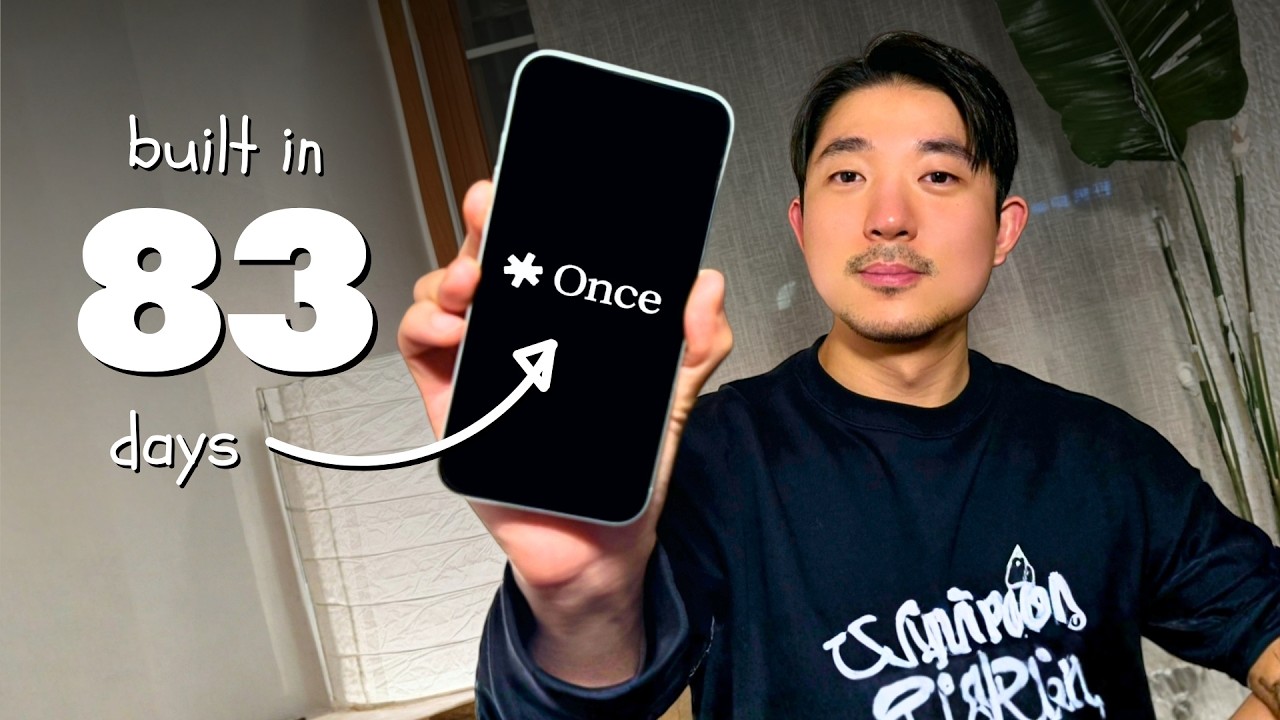
- Built Once, a disposable camera app for events, and hit $20K in monthly revenue within 83 days of launch
- Currently generating around $22,000 per month with 10,000–12,000 weekly active users
- Hosted over 300 events in February and around 700 scheduled for March
-
Products and Offerings
- Once is a disposable camera app designed for group events like weddings, birthday parties, and corporate events
- Users create a “film,” set a date, choose filters, customize invitation cards, and invite guests to take photos
- Photos are saved in a shared album and revealed based on the host’s chosen settings, mimicking the experience of a physical disposable camera
- Pricing is tiered based on the number of guests invited, ranging from $2 for 10 people to $50 for 150 people
-
Metrics and Financials
- Reached $20,000 in monthly revenue within 83 days of launch
- Currently at approximately $22,000 in monthly revenue
- 10,000–12,000 weekly active users
- Over 300 events hosted in February, around 700 scheduled for March
-
Strategy and Growth
- Pre-validated the idea before writing any code by securing 10 committed events with actual dates
- Used a “commitment metric” framework: defined a specific number of users or events needed within a set timeframe before building
- Exhausted personal networks first by scanning social media contacts for people with upcoming events
- Reached out cold to 250–300 potential users on Instagram and other platforms using hashtags like #wedding and #birthdayparty
- Received responses from 15 people and locked in 12 events in a single month, which confirmed market potential
- Plans to use organic social media and content platforms like TikTok, Reddit, and YouTube as primary marketing channels going forward
-
Tech Stack and Infrastructure
- Designs are created entirely in Figma
- Development is done primarily using Cloud Code, with multiple instances managed through a tool called Conductor
- Database and backend run on Supabase
- Web aspects of the product are hosted on Vercel
- The first version was a scrappy web app built in one to two weeks for a Halloween party
- After validation, the initial version was thrown out and rebuilt as a polished mobile app
- AI tools are used heavily for development and other functions, but design is done manually because Brian believes design requires taste and opinionated human judgment
-
Lessons and Advice
- Define a commitment metric before building anything: set a specific number of customers or usage events you need by a specific date
- Exhaust your personal network first by going through all social media contacts and identifying people who fit your ideal customer profile
- Apply the “mom test” principle: don’t seek encouragement from friends and family, seek honest signals of real usage
- Build a quick mockup in two to three days using Figma or AI tools, no matter how scrappy
- Go where your users are active and do cold outreach aggressively; if you haven’t been banned from a platform at least twice, you haven’t tried hard enough
- Stop overthinking and launch as fast as possible; spend one to two weeks on a first version and get it in front of users
- All assumptions may be wrong once real users start interacting with the product, so launching quickly reveals the true problem to solve
I Built a $20K/Month App in 83 Days
Starter Story • • 16min → 2 min • #153