-
Pauline
- Background and origin story
- Learned to code in engineering school and joined IBM as an employee.
- Pursued part-time indie hacking for several years with limited success before finding a winning idea.
- Built AI Crea while working full-time at IBM, using nights and weekends, and quit IBM in June to become a full-time founder.
- Pivotal moments and turning points
- Identified a problem through conversations with friends and real estate agents and committed to solving it.
- Launched a simple MVP in about one month and validated demand by securing paying users quickly.
- Iterated on the product for a year to improve quality and reduce churn, enabling the transition to full-time entrepreneurship.
- Background and origin story
-
Products and Offerings
- Core product(s) and what each one does
- AI Crea is an AI home staging service that renovates home interiors; users upload a photo, select a style, and receive a redesigned interior image in seconds.
- Supporting tools, side projects, or experiments mentioned
- Nexts directory is referenced as another product, with Twitter as its main marketing channel.
- Core product(s) and what each one does
-
Metrics and Financials
- Revenue figures, user counts, and financial milestones
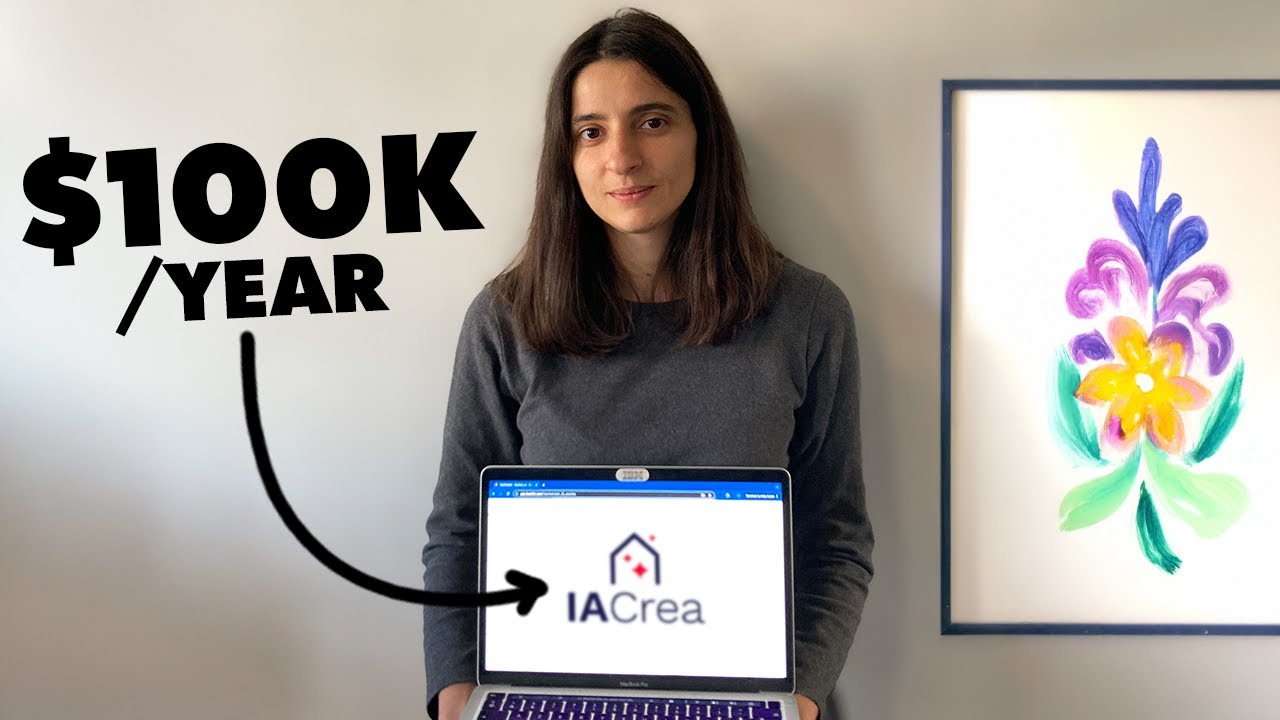
- AI Crea has over 8,000 users and generates approximately $8,000 per month (about $100,000 per year).
- Software costs and resource efficiency
- Business costs run about 3,000–4,000 EUR per month, covering servers, marketing (including ads), freelancer expenses, and personal events.
- Exit or acquisition specifics (if explicitly stated)
- Not discussed.
- Revenue figures, user counts, and financial milestones
-
Strategy and Growth
- Overall vision and positioning
- Focus on inserting AI into existing workflows and solving real problems for clearly defined customer segments.
- Primary growth engine or method
- Go where customers are: Facebook groups and physical events for real estate agents; Twitter and newsletters for developers and indie hackers.
- Key tactics, channels, or strategic steps
- Validate ideas quickly with an MVP and real customer payments.
- Launch on Product Hunt for SEO backlinks and on Twitter to leverage an existing audience.
- Offer both one-time payments and subscriptions to match customer preferences and reduce retention friction.
- Overall vision and positioning
-
Tech Stack and Infrastructure
- Tools, platforms, and technical approaches referenced
- Uses Discord for team communication, Crisp for client support chat, Twitter and LinkedIn for sharing updates, Buffer for tweet scheduling, Beehiiv for newsletters, and Bra for marketing automation and email.
- Authentication and database are built with Supabase; primary language is Node.js, with Python used for AI models.
- Notable technical decisions, trade-offs, or architecture choices
- Prioritized shipping fast with a simple MVP rather than aiming for perfection; invested in quality improvements over time to increase perceived value and reduce churn.
- Tools, platforms, and technical approaches referenced
-
Lessons and Advice
- Direct advice given to other founders
- Do not wait for a perfect product; start quickly, launch an MVP, and ask for feedback.
- Build genuine connections with customers instead of relying on low-effort outreach.
- Invest in yourself, stay consistent, and connect with other indie hackers to exchange best practices.
- Hard-won insights and key takeaways
- Adding yearly plans, free trials, and improving service quality drastically reduced churn.
- Pricing affects customer perception and support load; align pricing with the experience and support you want to deliver.
- Direct advice given to other founders
How I Built It: $10K/Month AI Image Generator
Starter Story • • 14min • #45