-
Karthik
- Immigrated from India to the U.S. at age seven, grew up watching his parents work hard after giving up everything to move the family
- Comes from a family of entrepreneurs with over 24 restaurants in India
- Started his first business in college with just $500 alongside a fraternity brother, initially selling custom fraternity and sorority merchandise
- Worked full-time at Amazon (Wednesday night to Sunday morning) and later Salesforce (8 AM to 5:30 PM) while building his businesses on the side, often working until midnight and taking only one day off per week for over two years
- Went full-time with the business in 2016, moving to Los Angeles to work with co-founders
- Faced a major crisis four months after going full-time when hit with a $40,000 licensing royalty audit bill, which he negotiated to pay over 12–14 months
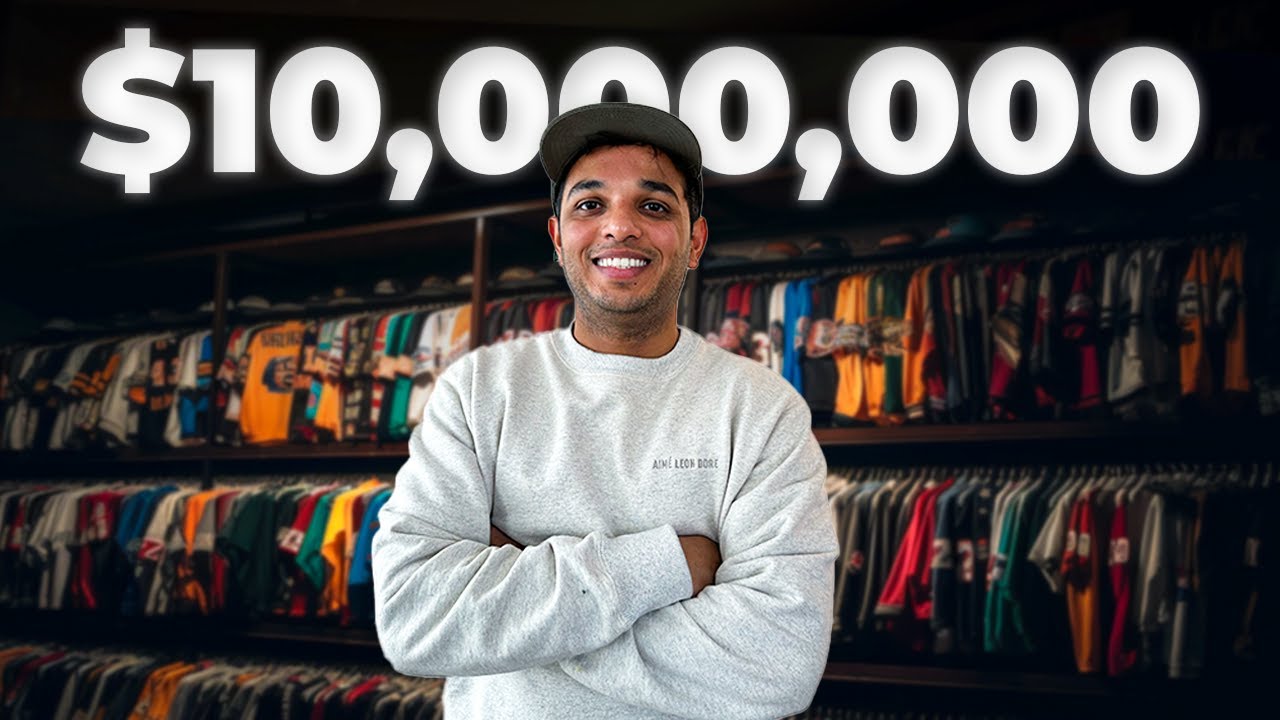
- Built four e-commerce brands over time, all focused on custom and licensed apparel, scaling to $10 million in total revenue with no outside funding
-
Products and Offerings
- Greek House: Custom merchandise for fraternities and sororities
- College Thread: Licensed merchandise for college departments and campus organizations, holding around 300 college licenses
- Threadly: Custom apparel for businesses, fundraisers, and non-profits
- Athlete’s Thread: Co-branded merchandise featuring both college brands and individual student athletes, launched after the NCAA name, image, and likeness (NIL) Supreme Court ruling
- Operates both B2B custom bulk order services and direct-to-consumer Shopify stores
-
Metrics and Financials
- Started with $500 in capital
- First year revenue was $50,000, second year was $100,000
- Reached just under $1 million in annual sales by the time of the licensing audit
- Scaled to $10 million across all four brands combined
- No outside funding was raised at any point
-
Strategy and Growth
- Focused on niche markets within licensed and custom apparel, using licensing requirements as a competitive moat
- Built a true brand with Athlete’s Thread by investing in custom packaging, neck labels, and engaging social media content that resonates with students, athletes, and sports teams
- Differentiated through fast customer response times (under four hours), quick shipping (within two to three business days), and high-quality product delivery
- Primary growth channels included outbound email marketing, outbound direct sales, affiliate and ambassador programs, paid Google search ads, and marketplace listings on Etsy and Google Shopping
- Leveraged ambassador programs to get both free promotion and reusable content from advocates
- Used marketplace presence on Etsy and Google Shopping as a form of free marketing with high purchase intent
-
Tech Stack and Infrastructure
- Built a proprietary order management platform and customer portal to manage operations across all brands
- Developed a vendor portal for print and production partners, reducing their administrative workload to one-tenth of normal by organizing and automating order workflows
- Uses Shopify for direct-to-consumer storefronts
- Works with a network of print and production partners across the U.S. rather than manufacturing in-house
-
Lessons and Advice
- Communication is the most important skill for entrepreneurship, including written, verbal, and asynchronous video communication both internally and externally
- The ability to teach yourself anything is critical, since nearly every problem can be solved through online resources
- Surround yourself with strong co-founders, advisors, or mentors who have been in your position and can give blunt, honest feedback
- Just get started rather than overthinking, learn by doing rather than endlessly planning
- Maintain humility and a genuine curiosity to learn the industry from the ground up
- Being in a licensed industry creates a natural barrier to competition since most companies cannot obtain the necessary licenses and rights
He Turned $500 Into $10M
Starter Story • • 18min • #4