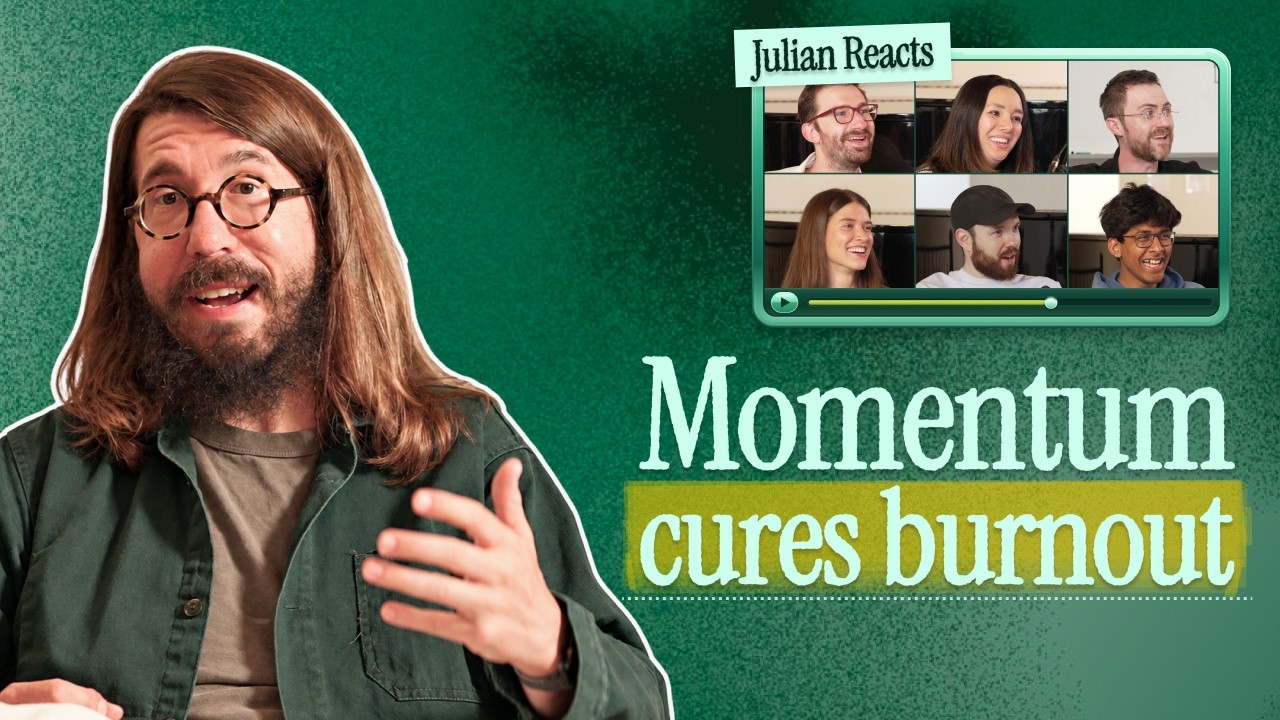
This episode of the Solo Founders podcast compiles insights from six solo founders on what drives them, how they handle burnout, and how they structure their work and early hiring to stay in their zone of genius.
Intrinsic motivation and authentic building look different for every founder
Dravia Sha (Super Memory) built an audience by shipping playful, open-source side projects for fun, not as business bets; that authenticity attracted people who later supported his real launch.
Francis (ex-SER, now Odessia) started a new company immediately after leaving his first because building is his form of self-expression — he loves the game, the intellectual challenge, and the endurance-sport nature of it.
Tais (Paste) left Exa (now at $100M ARR) because she needed a problem she could obsess over for 10+ years; her test was whether she’d restart it tomorrow if it disappeared.
There is no single right model — some founders need a clear 10-year obsession before committing, others just need to start building and trust the pull.
Burnout is cured by momentum, not rest
Flo (Lindy) spent two years “chewing glass” with no traction, felt completely burnt out, and assumed he needed six months off.
Instead, he pivoted and found a new direction; his energy returned immediately once he had momentum again.
The lesson: when you’re drained, doing the same thing harder won’t help; you need to find a new thread that generates forward motion — momentum restores energy.
Solo founders must deliberately do the work they avoid first
Claire admits she will “build any feature on the face of the earth to avoid marketing,” so she front-loads sales calls, marketing, and podcasting in the morning (“swallow the frog”).
She built a constellation of nine part-time contractors (EA, sales, support, marketing, etc.) so she’s not the single point of failure on non-building work.
Inspiration has a short half-life; willpower depletes through the day, so the hard, avoided tasks must happen when energy is highest.
Early hiring should protect your superpower, not replace it
Paul (reluctant CEO, loves building) argues most solo founders fall into a trap: they hire engineers/designers/PMs to offload building, then become de facto COOs doing operations.
If investors backed you for your building ability, giving that up makes no sense; hire a chief of staff / operations hybrid to handle the clutter so you stay on product.
Compensate these early hires well — they’re effectively replacing co-founders and enabling you to spike on what makes you special.