This episode of My First Million covers a listener’s graduation invitation, the Ferrero family chocolate dynasty, the “golden window” of childhood obsession, an encounter with an ultra-wealthy financier, and a profound update on former producer Ben Wilson’s terminal cancer diagnosis.
Quinton Wood’s graduation invitation
A high school senior named Quinton Wood wrote a heartfelt letter inviting the hosts to his graduation, crediting the podcast for shaping his worldview, investing habits, and goals since 2021.
Shaan finds the gesture endearing and “baller,” noting that people under 24 should embrace such earnest actions while they can still get away with them.
Sam agrees it’s wonderful but confirms they won’t actually attend; they plan to send a congratulatory message instead.
The Ferrero family: Italy’s richest dynasty
The Ferrero family, worth $32 billion with $20 billion in annual revenue, built a secretive empire spanning Nutella, Tic Tacs, Kinder, Ferrero Rocher, and acquired brands like Butterfinger and Crunch.
Post-WWII Italy: the grandfather started with a hard chocolate “butter stick” for toast, which failed because it didn’t spread; he pivoted to a jarred spread called Supercrema.
The son (second generation) rebranded to Nutella after a government ban on “Crema” in names, improved the recipe with hazelnuts, and invented Tic Tacs — solving the bulky tin problem with a pocketable dispenser marketed as a social icebreaker.
The grandson (third generation) shifted strategy to Warren Buffett-style private equity, acquiring undervalued American candy brands and revitalizing them rather than inventing new products.
Extreme secrecy: no interviews or factory tours for decades; one journalist compared the facility to Area 51 with armed guards protecting proprietary machinery and recipes.
The family maintained modest upbringing for children — one heir didn’t realize they were rich until age 15, with focus on factory work and craft over wealth display.
The “golden window” of childhood obsession
Shaan introduces the concept of a “golden window” (roughly ages 6–16) when deep, self-directed obsession can wire the brain for world-class specialization, citing Monish Pabrai’s observation that great entrepreneurs show early evidence (lemonade stands, early business exposure).
Examples: Warren Buffett buying stocks at 7, MrBeast deciding at 11 to be a YouTuber, Lamine Yamal joining a soccer academy at 7, Bill Gates accessing a rare school computer, Furkan building printers at 5 with his father.
Shaan plans to intentionally expose his kids to diverse experiences — possibly a sabbatical year of travel and mentorship — to help them discover passions early, rather than waiting until adulthood when “the cookie’s already crispy.”
Ramon (friend and former guest) models this by bringing his young son to high-stakes business meetings and factory visits in China, asking for his opinion afterward; the hosts admire this as elite parenting that imprints real-world exposure.
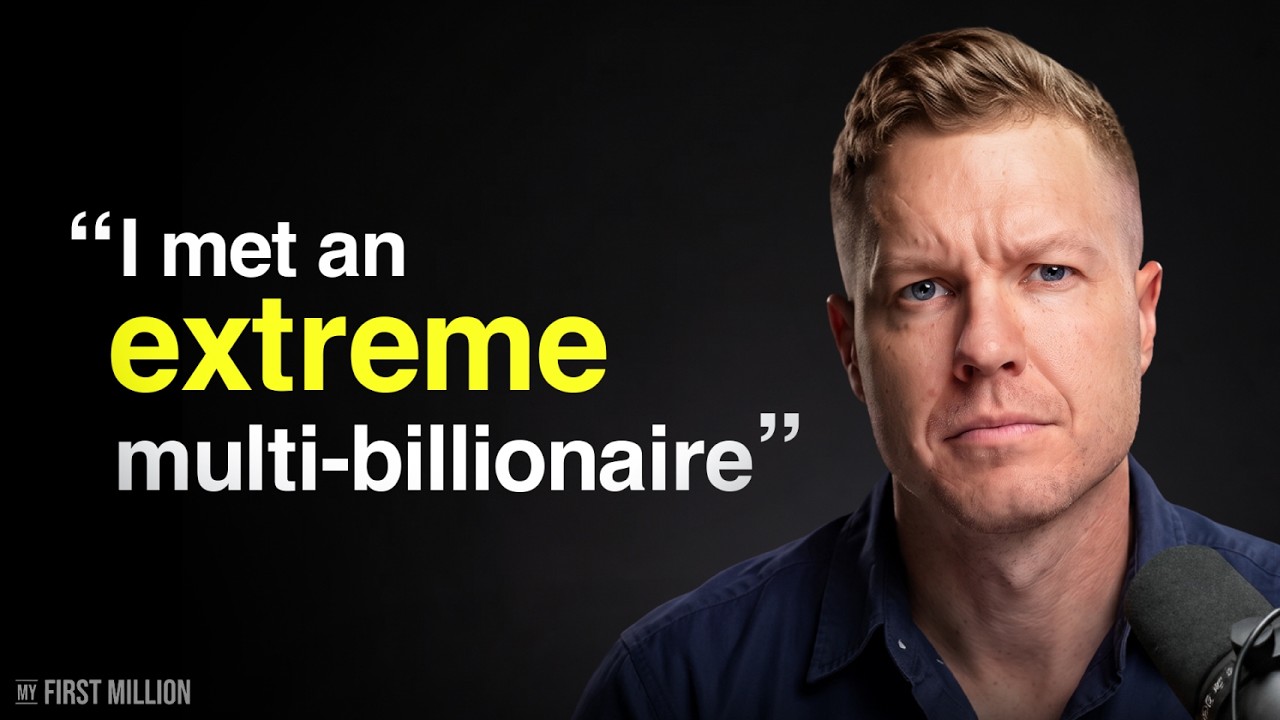
Meeting an “extremely multi-billionaire” at a dinner
Shaan sat next to an unassuming, low-key founder of one of the world’s most sophisticated and profitable financial services firms (name bleeped), who runs a top-three global operation generating tens of billions in profit.
The billionaire was genuinely curious, asked Shaan about his AI projects, and explained his firm’s early adoption of AI for microsecond trading decisions — using custom data centers and proprietary tech long before it was mainstream.
Despite immense accomplishment, he made Shaan feel respected and important, displayed zero ego, and even dignified a podcast invitation with “I’ll consider it” rather than dismissal.
Shaan and Sam reflect that genuine curiosity — not performative “making people feel important” — is the real superpower: it builds connection, diffuses personal negative emotions, and shifts the brain into a childlike, open state.
Ben Wilson’s stage 4 cancer and the distinction between achieving vs. being great
Former MFM producer Ben Wilson (now host of How to Take Over the World) was diagnosed 6 weeks ago with stage 4 lung cancer (spine and brain) despite never smoking, drinking, or living “uncleanly.”
In six weeks he moved homes near top doctors, ran a $400K fundraiser, settled his estate, and attended countless appointments — all with remarkable calm, dignity, and optimism.
Ben journals daily in a notebook titled “Zero to 365,” documenting each day for his four young children; he says he’s “excited to meet his maker” if his time comes, reflecting deep faith that reframes the worst news as a calling.
Sam contrasts “achieving greatness” (external metrics: Forbes lists, money, conquests — the subject of Ben’s podcast on Napoleon, Caesar) with “being great” (internal virtue: how you show up daily, especially in suffering).
Ben’s response exemplifies being great: stoic, brave, focused on legacy and love, not outcomes. The hosts are inspired to bring that standard to ordinary days — responding to small frustrations with the dignity of a great man, whether or not tragedy ever arrives.
Ben is undergoing both traditional and experimental treatments with top specialists (connected via Brian Johnson, Andrew Huberman); he reported feeling better yesterday than in a long time.
The hosts close by rooting for Ben, affirming that “the million in My First Million” means the first unit of richness in life — not dollars — and that Ben embodies that richness.