-
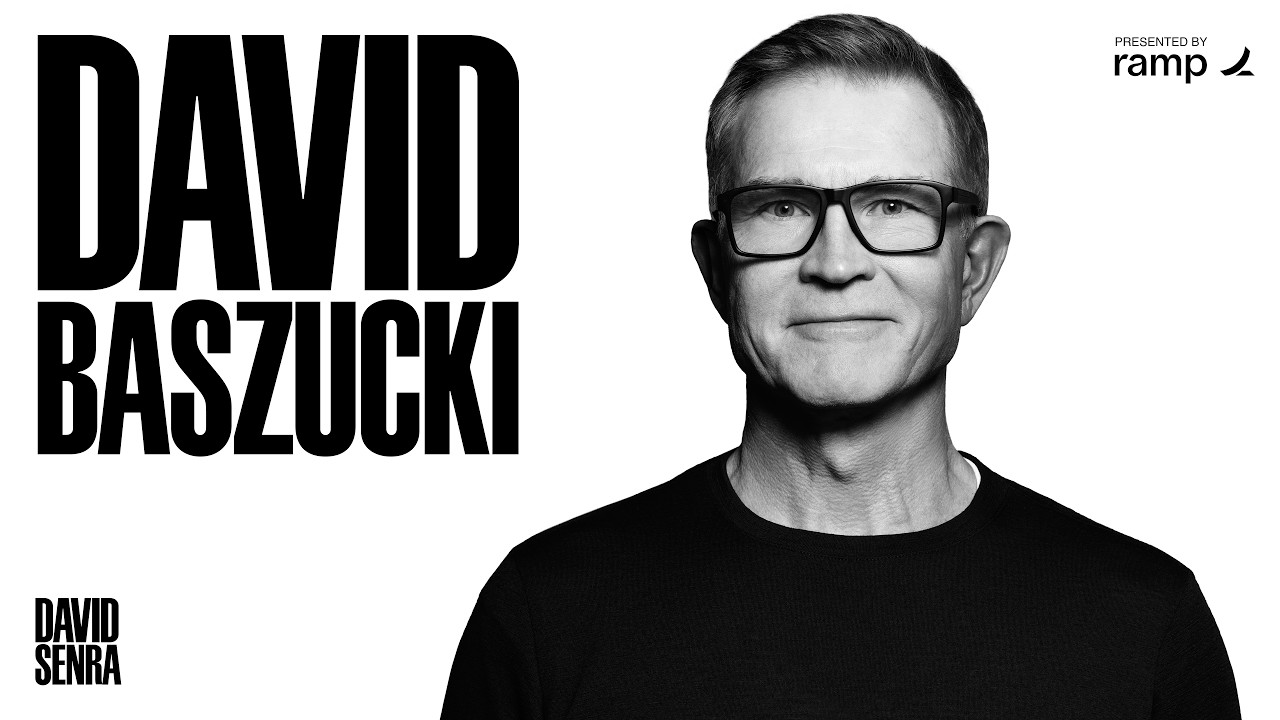
David Baszucki’s journey from a physics‑simulation startup to building Roblox, the world’s largest user‑generated 3D playground – he leveraged early intuition about immersive, multiplayer, cloud‑based creation, kept the operation ultra‑capital‑efficient, and engineered a self‑sustaining “perpetual motion” ecosystem of creators, users, and a virtual economy that now powers billions of daily experiences.
-
Key arcs
- Early career → Knowledge Revolution (2‑D physics education) → sabbatical → intuition‑driven founding of Roblox (2002)
- From a four‑person “lifestyle” studio to a viral closed‑loop platform (Roblox Studio)
- Building two flywheels: (1) user‑to‑creator conversion, (2) virtual economy (Robux)
- Scaling infrastructure internally (nine semi‑autonomous “companies”) while staying under $10 M of equity capital before cash‑flow break‑even
- Ongoing focus on safety, AI moderation, and long‑term technical vision (photo‑realism, massive concurrency)
Early Foundations & Intuition
- Knowledge Revolution: 2‑D physics simulation for kids; saw kids building and sharing, hinting at a future “immersive 3D multiplayer” market.
- Sabbatical: Realized logical CEO path was wrong; returned to “play‑first, intuition‑first” mindset.
- Founder vs. CEO: Learned that his superpower was inventing, not managing existing companies; decided to build a world‑builder platform rather than join another CEO role.
The “Perpetual Motion Machine” Metaphor
- Goal: Create a system that improves itself as creators add content, similar to a clock that tells time forever.
- Early product failure: Launched a single‑player puzzle game expecting virality; quickly pivoted to a multiplayer creator platform after a few weeks.
Building the Platform
- Four‑person core: David, Eric Castle, John, Matt Dusk. No external funding at launch.
- Roblox Studio: Closed‑loop tool where anyone can download, build, publish, and instantly see others play.
- First user acquisition: Bought ~50 users/day via Google ads → ~1,500 early users → word‑of‑mouth viral loop as creators published games.
Two Viral Loops
- Content loop: Better games → more players → more creators.
- Communication loop: Social interaction (chat, friends) built into experiences, unlike YouTube’s solo consumption.
Monetization Evolution
- Builder’s Club (early subscription): $5/month club; modest early revenue, eventually stale.
- Robux virtual economy: Enables creators to sell items, earn real money; creates a second, stronger flywheel (spending → creator earnings → more high‑quality games).
- Economy design: Avoided participation‑based “tickets”; focused on a single, money‑backed currency to reduce botting and scaling issues.
Organizational Architecture
- Roblox Operating System: Internal “OS” that runs the company; treated as nine semi‑autonomous groups (people systems, infrastructure, game engine, economy, safety, user‑facing, etc.).
- Leadership model: Single‑threaded leaders for each group, meeting weekly to align ~50‑70 high‑impact objectives; horizontal coordination keeps speed and autonomy.
- Vertical integration: Own data centers, custom game engine, AI moderation tools; enables cost‑effective scaling (≈ $0.01 per user‑hour).
Safety & AI Moat
- Long‑standing safety stack: Built in‑house moderation, age verification, AI‑driven content analysis before many competitors.
- AI roadmap: Early BERT‑style models for text/voice safety; open‑sourcing voice and Sentinel models; future plans for AI‑generated NPC testing and creator tools.
Technical Ambitions
- Performance focus: Zero‑to‑play latency, “time‑to‑interact” near zero across devices.
- Future vision: Photo‑realistic 3D co‑experience for 10 k+ concurrent users on a single instance; still a research problem but roadmap exists.
Economic Impact & Creator Ecosystem
- Creator earnings: Top 1 000 creators average > $1 M/year; long‑tail creators earn hundreds to thousands.
- Marketplace transparency: No platform‑side acquisitions; provides valuation tools for creators; encourages fair revenue sharing.
- Education angle: Roblox can serve as an entrepreneurship sandbox for young people (build, monetize, iterate).
Capital Efficiency & Growth Philosophy
- Bootstrapped to cash‑flow break‑even: < $10 M equity spent before becoming profitable; viral growth and early monetization kept burn low.
- Investor discipline: Chose long‑term partners (Altos, Greylock, Index) who accepted a patient, low‑dilution approach.
- Imaginary competitor mindset: Constantly model a hypothetical rival to avoid complacency and drive continuous innovation.
Near‑Death Episodes & Lessons
- Economy hack: Early double‑entry bookkeeping failure forced a temporary shutdown; reinforced need for robust financial controls.
- Board debates: Initial resistance to monetizing creator work; ultimately convinced that a well‑designed economy improves quality and sustainability.
Competitive Landscape & Outlook
- Not just a game platform: Combines social network, content marketplace, and infrastructure layer; distinct from YouTube, Snapchat, etc.
- Scalability advantage: Owning the stack (cloud, engine, safety) gives cost and performance edge; positions Roblox as an infrastructure company at heart.
- Future growth drivers: AI‑augmented creation, photo‑realism, higher concurrency, expanded non‑gaming experiences (concerts, shopping, education).
Closing Reflections
- Long‑term vision: Build the “last company” he’ll work on, supporting a 30‑50‑year trajectory of immersive human co‑experience.
- Cultural ethos: Blend intuition, tenacity, and a long‑view with rigorous engineering; treat the company as a system that builds another system (the platform).
- Podcast purpose: Share the depth of this operating philosophy in an unedited, discovery‑free medium.