-
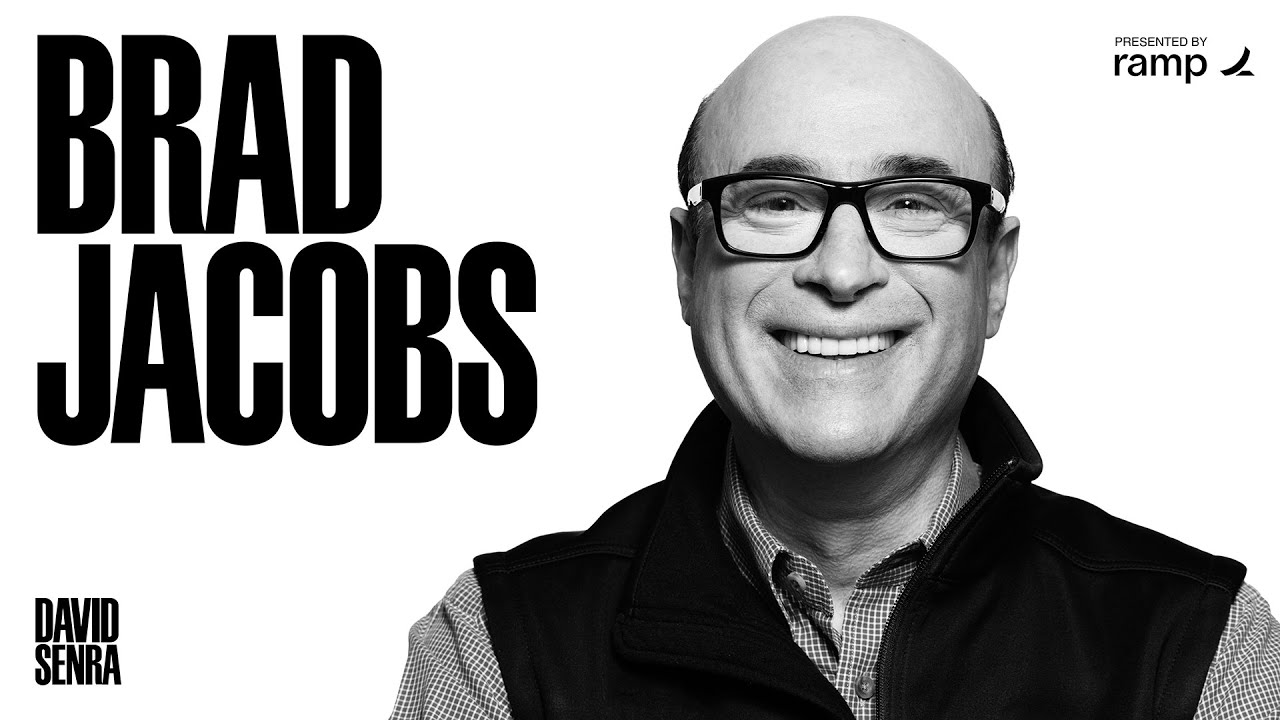
Brad Jacobs — a serial entrepreneur who built eight billion‑dollar companies by mastering long‑term trends, recruiting top talent, and treating problems as opportunities—shares the principles, habits, and leadership practices that have guided his career from a 23‑year‑old mentee of Ludwig Jesselson to the CEO of multiple public firms.
-
Mentorship & Core Maxims
- Ludwig Jesselson, former head of Philipp Brothers, taught Jacobs to “get the major trend right”; misreading the long‑term trend outweighs any number of operational fixes.
- Jesselson emphasized deep, honest, long‑term relationships and rigorous risk management based on context, probabilities, and scenario analysis.
-
Problems as Opportunities
- Inspired by Henry Kaiser’s “problems are opportunities in work clothes,” Jacobs treats every business obstacle as a profit‑creating chance.
- He stresses staying happy and resilient; chronic negativity erodes both performance and personal well‑being.
-
Recruiting & Retaining A‑Players
- The CEO’s most important job is to hire people smarter than himself and give them equity that vests over five years, aligning incentives with long‑term success.
- Jacobs uses a thought‑experiment (“What if an A‑player quit?”) to distinguish A, B, C talent and to ensure the team can survive the loss of any single star.
- He runs a rigorous hiring filter: superior intelligence (high IQ) eliminates 90 % of candidates; cultural fit, honesty, and work‑life integration are equally vital.
-
Building Billion‑Dollar Companies (The “Toolkit”)
- Industry Selection: large, growing, fragmented markets where technology can add value and where AI/automation won’t soon disrupt.
- Team Assembly: world‑class CHRO, M&A, finance, and operations leaders; equity‑based partnership model; clear rules of engagement that encourage respectful debate.
- Acquisition Discipline: buy at reasonable multiples, then double EBITDA within 3‑5 years through pricing, procurement, compensation redesign, and technology upgrades.
- Execution Culture: daily scientific experimentation (A/B tests, risk‑adjusted decisions), tight feedback loops, and a “superorganism” mindset where the whole outperforms the sum of parts.
-
Leadership & Decision‑Making Processes
- Monthly Operating Reviews are agenda‑driven by pre‑read materials and a collective ranking of questions (1‑10), ensuring the most valuable topics dominate discussion.
- Meetings are limited to 20‑25 senior leaders to balance diverse viewpoints with vulnerability and speed.
- Jacobs models humility: he openly admits mistakes, encourages others to challenge his assumptions, and uses “WOT‑WOM” (“Waste of Time, Waste of Money”) to cut unproductive ideas.
-
Reputation & Long‑Term Brand
- Integrity, dependability, and honesty (a legacy from Jesselson’s trading era) are non‑negotiable; a single breach can erode the personal brand that attracts capital, talent, and partners.
- Consistent, unfiltered communication—both upward (to investors) and downward (to front‑line employees)—reinforces trust.
-
Personal Discipline & Mental Frameworks
- Meditation & Context: expands perspective from cosmic to atomic scales, fostering humility and focus.
- Cognitive‑Behavioral Therapy: helped Jacobs overcome perfectionism and the “must‑be‑perfect” schema; he now validates negative thoughts, then disputes them with evidence.
- Time Management: brutal prioritization (the “WOT‑WOM” filter) and a chief‑of‑staff who shields his calendar; only activities that drive organic revenue growth or margin expansion receive his attention.
-
Incentives & Compensation
- Early experience in oil brokerage showed that people are primarily motivated by money; aligning personal wealth with company performance (equity lock‑ups, transparent valuation scenarios) drives extraordinary effort.
-
Public vs. Private Markets
- Public listing provides relentless external feedback, a powerful brand amplifier, and a transparent compensation metric that motivates talent.
- Jacobs argues that the pressure of public markets is a catalyst, not a burden, and that disciplined growth (top‑line share gain + margin expansion) is the universal value driver.
-
Technology as the Long‑Term Trend
- Following Jesselson’s “major trend” principle, Jacobs views the historical march of technology—from fire to AI—as the central lever for competitive advantage.
- He avoids sectors where AI will soon obsolete the business model (e.g., online tutoring) and doubles down on industries where technology can still create efficiency gains (waste management, logistics, construction).
-
Philosophy of Going All‑In
- Inspired by a high‑school speech, Jacobs believes that wholehearted focus (“go all in”) links intensity of effort to breakthrough results.
- He encourages listeners to identify their personal “go‑all‑in” passion, align incentives, and accept the inevitable stress as fuel for achievement.
-
Key Takeaways for Aspiring Builders
- Identify a massive, growing, fragmented market and assess how technology can reshape it.
- Assemble a team of smarter‑than‑you A‑players, give them meaningful equity, and create a culture of respectful dissent.
- Acquire at disciplined prices, then systematically double EBITDA through pricing, cost control, talent upgrades, and tech enablement.
- Protect your reputation with unwavering honesty; let feedback loops (employees, customers, investors) drive continuous improvement.
- Manage time brutally, saying no to anything that doesn’t move the two core levers: organic revenue growth and margin expansion.
-
How Brad Jacobs Built 8 Billion-Dollar Companies
David Senra • • 2h3 → 3 min • #4