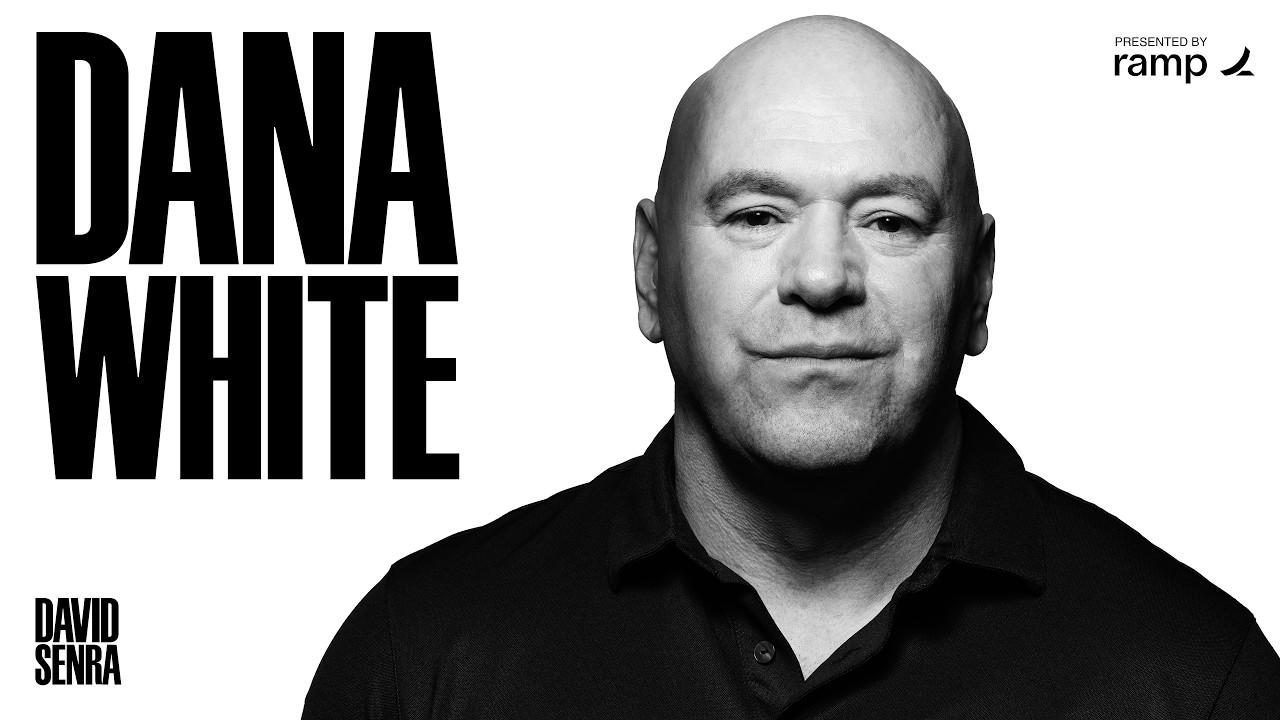
Dana White built the UFC from a $2 million near-bankruptcy purchase into a multi-billion-dollar combat sports empire through fan-first instincts, relentless risk-taking, early adoption of new technology, and an uncompromising personal vision for how fights should be produced and sold. He is now expanding into boxing, slap fighting, jiu-jitsu, and other combat sports under the TKO umbrella, with a goal of building the largest combat sports company in history.
Buying the UFC and Nearly Losing Everything
In 2001, Dana White and the Fertitta brothers (Lorenzo and Frank) bought the UFC for $2 million when the company was near bankruptcy.
All they acquired was the three letters “UFC,” an old wooden octagon, and eight or nine fighter contracts. The previous owner had already sold off merchandise rights, the video library, DVD rights, and video game rights to Lionsgate.
They later bought those ancillary rights back from Lionsgate for roughly $2.5–3 million, a deal Lionsgate likely laughed at but which proved enormously valuable.
They had no experience in live events or production. Their only advantage was that they were genuine fans who knew what they wanted to see.
Dana fired the entire original production crew after the first event because they ignored his creative direction, then built a new team from scratch.
The company was burning roughly $2 million per event, running five events a year, with annual revenue around $10 million—meaning they were spending as much as they earned, plus funding roster expansion.
By year four, Lorenzo Fertitta told Dana he and his brother couldn’t keep funding the losses.
Dana shopped the company and came back saying he could sell it for $6–8 million. Lorenzo called the next day and said, “Fuck it, let’s keep going.” Dana credits a good night’s sleep for the change of heart.
The Ultimate Fighter: A $10 Million All-In Bet
The big break came with reality TV. Around 2004–2005, reality shows were surging, and Dana pitched a UFC-based reality series as a Trojan horse to get the brand on free television.
At the time, the UFC was not allowed on pay-per-view—porn was, but MMA wasn’t. Getting on free TV was considered impossible.
Every network said no until Spike TV (rebranded from the Nashville Network as “the network for men”) agreed—but only if the UFC paid for the entire production themselves.
This was the last $10 million the Fertittas were willing to invest. If the show failed, the company was done.
Because the UFC funded production themselves, they owned 100% of the show—a crucial detail that paid off enormously.
The show was a runaway hit. The season finale featured Stephan Bonnar vs. Forrest Griffin in a fight so electric that the crowd chanted “one more round.”
Spike TV executives pulled Dana and Lorenzo into an alley outside the arena and they shook hands on a renewal deal written on a napkin.
Forrest Griffin became a major pay-per-view star, and the show accomplished exactly what it was designed to do: build a larger fan base and introduce audiences to fighters as personalities.
Riding Technology Waves
Dana has consistently adopted new technology early and used it as a growth tailwind rather than resisting it.
DVDs: When the DVD market exploded, the UFC released compilations like “Ultimate Knockouts” and “Ultimate Submissions,” which sold millions. Dana admits he could have capitalized even more aggressively if he’d known the format wouldn’t last forever.
Television: After Spike TV, the UFC moved to Fox, then signed a $3 billion deal with ESPN, and most recently a $7.7 billion deal with Paramount for seven years—with every UFC event streaming on Paramount.
Podcasting and social media: When Joe Rogan told Dana about his new podcast (“it’s kind of like radio but we put it online”), Dana immediately said yes. He also embraced YouTubers, TikTokers, and other content creators early, giving them full access to events and letting them create whatever they wanted without interference.
His philosophy: “The media doesn’t have the influence anymore. These young kids are the influencers. They actually have the influence.”
AI: When criticized for using AI-generated video in a promo, Dana’s response was essentially to ignore the criticism and keep moving forward.
Building a Team That Reads His Mind
Dana runs the UFC as a dictatorship, not a committee. He controls the live television production directly from his ringside seat, watching on a small screen and calling the production truck in real time to adjust graphics, camera angles, and audio.
He’s not watching the fight for enjoyment—he’s controlling what the TV audience sees.
It took years to build a production team that internalized his taste to the point where he rarely needs to make changes.
He values loyalty and low turnover in key positions. His head of production Craig Morsari and others have been with him for a very long time.
He describes his team as “sick animals” who are wired the same way he is—incredibly talented and obsessive.
Live Events as the Core Product
Dana believes the UFC’s live event experience is superior to almost any other sport, and that attending live converts casual fans into passionate ones.
He contrasts this with the NFL (great on TV, mediocre live experience) and the NBA (better live than on TV). The UFC is exceptional on both.
He personally oversees every detail of the live show—music volume, in-arena experience, and television production—and has done so for over 25 years.
Power Slap and New Ventures
In 2017–2018, Dana noticed people watching slap fighting videos on social media from Russia and Poland. Despite being “the most jaded dude in the world when it comes to fighting,” he found himself staying to watch who won.
He called the Fertitta brothers, who each put in $1 million (plus Dana’s own million) to launch Power Slap.
Power Slap has been profitable since its first event and its reality show has accumulated around 50 million views on YouTube.
After seeing the success, investor Michael Rubin told Dana: “Whatever you do next, I’m in for $10 million. You don’t even have to tell me what it is.”
Dana is now rebuilding boxing, launched a jiu-jitsu league (UFC BJJ), and oversees a portfolio of combat sports brands under TKO (which went public).
His stated goal: “Build the biggest combat sports company to ever exist and that will probably ever exist” within the next 10 years.
COVID: Keeping Every Employee
When COVID hit, Dana’s primary concern was that ESPN would cut the UFC first since they had bigger sports properties (NFL, NBA, MLB, NHL).
ESPN’s Bob Iger told Dana they would be paid their full contract amount regardless of whether they held zero events or all 44.
Rather than coasting, Dana found a way to keep running. He secured Yas Island in Abu Dhabi as a true bubble—athletes and crew lived there for months, tested repeatedly, with chartered planes. It was the only real bubble in sports at the time.
The UFC’s business grew dramatically during COVID because they were the only live game in town.
Dana offered to give up all his compensation so that no employees would be laid off or have pay cuts during the pandemic.
His entire team—men and women—was willing to work through the lockdowns. “Everybody was willing to go.”
Firing a Sponsor Over Political Interference
During COVID and the “woke era,” a sponsor called repeatedly demanding Dana take down a social media video supporting Trump.
Dana told them: “Who the fuck are you to call me and tell me who to vote for?”
When the deal came up for renewal, the sponsor’s representative came to Dana’s office and said the board of directors was “losing patience” with him.
Dana’s response: “Take that number, roll it up into a tiny little ball, and shove it up your board’s ass.” He never did another deal with them.
Coming out of that period, Dana decided he would only do business with people he’s aligned with.
Selling the UFC and the Critics Who Were Wrong
In 2016, Lorenzo Fertitta decided he no longer wanted to run the business. They sold the UFC for $4.025 billion to WME-IMG.
At the time, there was no TV deal in place (the Fox deal was ending). Critics universally said the buyers overpaid, that the UFC had peaked, that it didn’t have stars.
Dana’s response to critics then and now: “They’re zeros. They’ve never done anything in their life except talk.”
The subsequent TV deals proved the critics wrong: Spike ($35M) → Fox ($100M) → ESPN ($3B) → Paramount ($7.7B for 7 years).
Entrepreneurship as Much as Fighting
Dana says he now loves entrepreneurship as much as or more than fighting.
He spends hours every day in his office listening to pitches from entrepreneurs—multiple times a day, including weekends—and connecting people with each other without asking for anything in return.
He serves on Meta’s board of directors.
He is sharply critical of younger entrepreneurs who want to “set their own hours” and take lots of days off: “You should just stay where you’re at and keep working for somebody else.”
He believes entrepreneurs go to war every day—someone is always trying to undermine you, tear down your business, or take what you have.
He also believes fighters are “the most unique human beings on planet Earth”—wired differently, impossible to control, and requiring a management style that gives them freedom while maintaining structure.
Loyalty and Joe Rogan
Dana considers loyalty the most important value in business.
Joe Rogan did the first 12 UFC events for free. When sponsors later called demanding Dana fire Rogan, Dana told them to never call again.
In the early days, Dana and Rogan would take turns doing radio promotional tours—waking up at 3 AM West Coast time to hit East Coast drive-time markets, then working their way across the country doing the same interviews over and over. They did this for years.
Know Who You Are and What You Want
Dana’s core philosophy for longevity in business:
First, know yourself. Second, know what you want to do. Then pursue that goal every single day with no Plan B.
He never thinks about failure. When asked what he would have done if Lorenzo had said “sell the company” instead of “let’s keep going,” he said he would have gotten up the next day and figured it out—he was going to be in this business no matter what.
He actively blocks out negativity—from media critics, online commentators, and negative people in his personal life. He compares this to Arnold Schwarzenegger’s practice of cutting out anyone who spoke negatively about his goals and surrounding himself with positive affirmations.
Dana has motivational quotes and affirmations on the walls of his office, gym, and throughout his workspace.