-
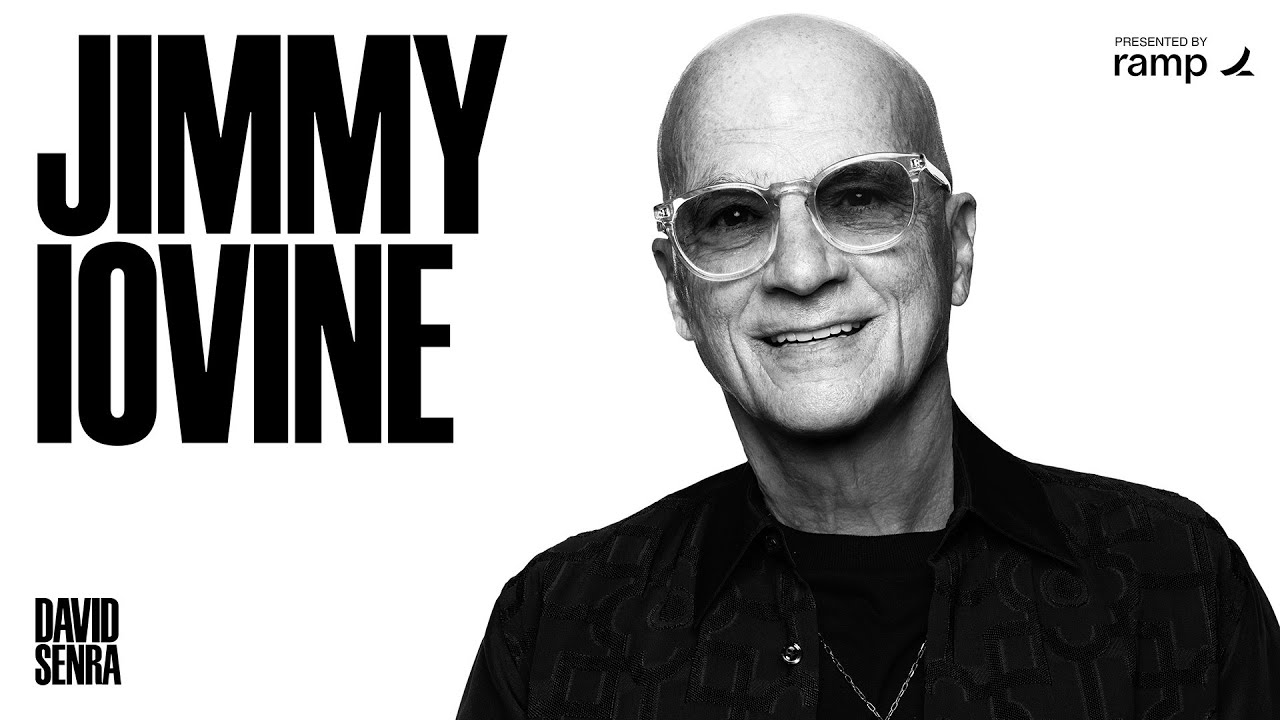
Jimmy Iovine reflects on a career that spans music, tech, and entrepreneurship, illustrating how fame, attention, and technology have reshaped the industry and his personal drive for greatness.
- He argues that fame has supplanted artistic “greatness” as a currency, and social media now turns attention into profit, creating a “corny” chase for viral moments.
- Iovine’s own path—from early studio work with John Lennon and Bruce Springsteen to founding Interscope, Beats, and Apple Music—shows a pattern of spotting technological shifts early, moving laterally across industries, and insisting on serving artists rather than merely exploiting them.
-
The impact of social media and streaming
- Social media fuels a culture where people chase attention for money, often feeling devastated when they go viral.
- Streaming services (Apple Music, Beats Music) inherited the iTunes 70/30 royalty model, leaving most artists underpaid unless they dominate streaming charts.
- Iovine criticizes streaming as “one‑dimensional” and argues that artists need direct communication tools (e.g., TikTok, Instagram) to stay relevant; otherwise streaming could become obsolete.
-
Artist‑centric philosophy
- Iovine stresses that music is fundamentally about the artist’s vision; producers and label execs are servants, not the drivers.
- Stories from working with Bruce Springsteen, John Lennon, and others illustrate his “it’s not about me” mindset, echoing Jon Landau’s advice to stay humble and serve the artist.
- He highlights the shift from artist‑only revenue (record sales) to diversified income streams (branding, fashion, tech).
-
Technological foresight and lateral moves
- In 2000, Iovine envisioned a “music‑as‑all‑you‑can‑eat” streaming service—years before Spotify and Apple Music.
- He launched “Jimmy and Doug’s Farm Club” (early music‑upload TV show) and later Beats Music, which became Apple Music’s number‑two service.
- Beats headphones were built to give hip‑hop culture a premium hardware identity; Iovine’s instinct led him to back Dr. Dre’s sound and push “G Thang” on radio and MTV despite gatekeeper resistance.
-
Building Beats and Beats Music
- Beats began as a hardware brand (headphones) before adding a streaming service (Beats Music, later merged into Apple Music).
- Iovine’s “lateral” strategy: control creation (artists), distribution (streaming), and consumption (headphones) under one umbrella.
- He leveraged aggressive advertising (e.g., 60‑second radio spots) to break gatekeepers and force mainstream exposure for gangsta‑rap.
-
Hiring A‑players and brutal honesty
- Iovine’s success stems from surrounding himself with top talent (John Lennon, Bruce Springsteen, Dr. Dre, Steve Jobs) and demanding “brutal honesty with respect.”
- Anecdote: during Bruce Springsteen’s The River sessions, Iovine bluntly asked, “When are you going to record the vocals?” prompting a remix that saved the album.
-
Education and interdisciplinary schools
- Frustrated by siloed learning, Iovine and Dr. Dre funded a multidisciplinary high‑school (≈$70 M) that blends tech, music, design, and entrepreneurship. – The school aims to produce collaborators who can innovate across fields, unlike traditional single‑track universities.
-
Personal values: humility, service, and peace
- Iovine attributes his work ethic to a humble upbringing (father a longshoreman) and to mentors like Jon Landau and Henry Ford (“money comes naturally as a result of service”).
- He emphasizes humility as “not about me,” focusing on making valuable products that serve others.
- Later in life, after selling Beats to Apple, he sought peace over status, prioritizing family and personal well‑being.
-
Future of music and AI
- Iovine sees AI as a tool to improve average music and streamline distribution, but believes it won’t replace truly great artists.
- He warns labels against licensing AI‑generated music indiscriminately, urging them to build their own AI‑driven enterprises instead of becoming mere licensors.
-
Key takeaways on entrepreneurship
- Obsessive energy, “hustler” mentality, and the ability to turn fear into fuel are common among top founders.
- Success requires “lateral” thinking—expanding beyond core business to adjacent opportunities (e.g., hardware, education).
- Continuous self‑critique (“what’s wrong?”) can be both a driver and a source of torment; balancing it with humility and therapy helped Iovine find lasting peace.
Building Interscope Records & Beats by Dre | Jimmy Iovine
David Senra • • 2h8 → 3 min • #11