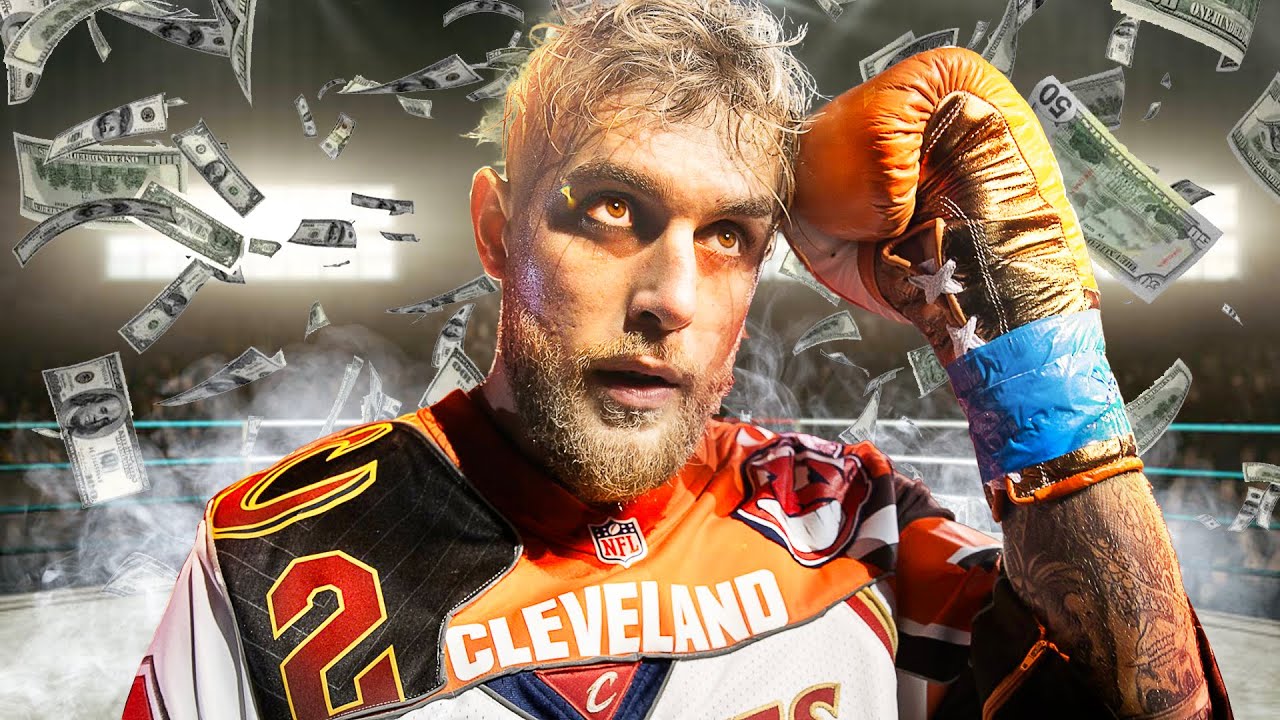
This episode of American Alchemy, hosted by tech investor Jesse Michaels, features a long-form conversation with Jake Paul — YouTuber, internet personality, and professional boxer — recorded at Paul’s home in Dorado, Puerto Rico. The episode aims to show the side of Paul that Michaels has known since Paul was 17: a hard-working, strategic, and entrepreneurial figure who has deliberately built his own brand and leverage outside traditional entertainment structures, while also becoming one of the most polarizing and commercially successful figures in boxing.
From Disney to Building His Own Brand
Paul started on the Disney Channel show Bizaardvark, earning roughly $10,000 per episode while working six days a week, 12 hours a day, and simultaneously creating his own content.
He describes his exit from Disney as a mutual decision rather than a firing: he felt constrained by the environment, and the company was uncomfortable with the off-screen attention and controversy he was generating.
Around that time, he made a deliberate decision to build his own brand and own his leverage rather than depend on traditional studios or networks.
He gained millions of followers around that transition, which he saw as proof that authenticity and independence worked better than playing by the old rules.
Embracing the Villain and Cancel Culture
Paul says he leaned into being seen as the “villain” after leaving Disney, and that this persona has been central to his success.
He argues that cancel culture at the time was making people scared to be authentic, and that the people who win biggest on the internet are those who are unapologetically themselves — he names figures like Kanye West and Donald Trump as examples of people who thrive by not being politically correct, without necessarily endorsing their views.
His view is that people can only truly be canceled if they give up or if they actually do something seriously wrong; in his own case, he sees the cancellations he’s experienced as overblown and not based on real wrongdoing.
Boxing as Redemption and Disruption
Paul describes boxing as an outlet that helped redeem his public image and gave him a concrete goal to work toward after being widely dismissed as a “menace to society.”
He emphasizes work ethic and having excellent coaches as the main reasons he has been able to compete seriously against opponents with far more experience, such as Tyron Woodley.
He sees himself and other social media creators as part of a new era of boxing, where fighters must think of themselves as media companies and brands, not just athletes.
He argues this shift is giving power back to fighters and exposing how underpaid fighters have been under the old system, particularly in organizations like the UFC.
He notes how expensive it is to run a training camp, and acknowledges that his prior income from content creation is what allows him to fund his boxing career at a high level.
Business and Venture Investing
Beyond his personal brand, Paul is involved in venture investing through a fund he runs with Jeff Wu.
He describes being deeply involved in the actual diligence and calls with founders, rather than delegating it entirely.
The qualities he looks for in founders include hunger, willingness to work, and flexibility — specifically, not being too rigidly attached to a single idea, since change is inevitable.
He is drawn to founders who speak in a matter-of-fact way about how they will win, describing it as if they can already see the future and reality just has to catch up.
Personality, Content, and the Fight Business
Paul argues that personalities drive pay-per-view sales, and that the villain role tends to go further in boxing because it generates attention and emotion.
He describes genuinely enjoying the social media “beefs” and content creation around fights, often laughing at his own posts and finding the process fun rather than stressful.
He contrasts his comfort with internet culture against opponents who come into his space without understanding how to play that game.
He sees himself as part of a broader shift where fighters have more control over their earnings and public narrative through social media, rather than relying solely on traditional promoters and organizations.